
Nine EU Governments Resist Brussels Electric Fleet Mandate
Nine EU member states led by Poland are resisting a Brussels directive requiring large corporations to electrify their vehicle fleets, citing infrastructure gaps and competitiveness concerns.
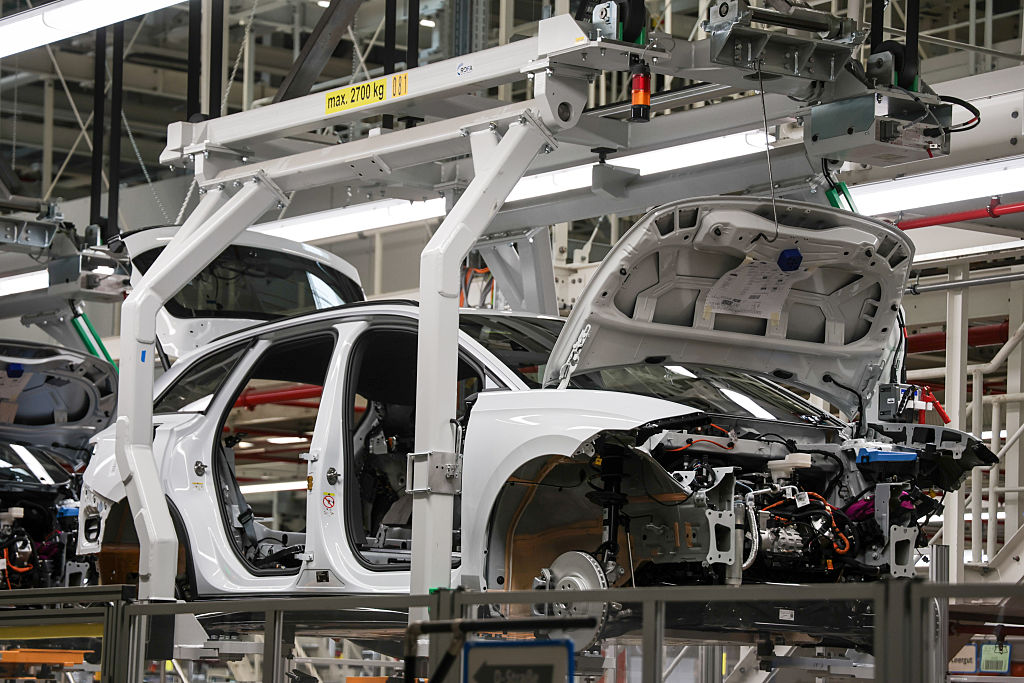

Poland is leading the opposition bloc, which includes Bulgaria, the Czech Republic, Estonia, Hungary, Italy, Latvia, Slovakia, and Romania, according to Brussels Signal. The nine governments are challenging a proposed regulation that would mandate companies with more than 250 employees or annual turnover exceeding €50 million to decarbonize their corporate fleets.
Transport ministers from across the EU are scheduled to address the contentious proposal at a meeting in Luxembourg on June 8.
Binding Quotas Face Eastern European Pushback
The Commission’s plan sets two compulsory targets for large corporate fleets by 2030. Approximately 69 percent of newly acquired vehicles would need to be plug-in hybrids, while roughly 45 percent would have to run on battery-electric or hydrogen power. The exact percentages would vary by member state.
The dissenting capitals acknowledge that corporate fleets could accelerate Europe’s transition to cleaner vehicles and reduce dependence on imported oil. However, they contend that mandatory quotas would undermine business competitiveness and pile additional regulatory burdens on companies. Instead of top-down mandates, these governments favor incentive-based approaches.
Infrastructure Gaps Drive Competitiveness Concerns
A key argument from the nine member states centers on the uneven development of supporting infrastructure across the bloc. The opposing governments cite significant disparities in charging networks, leasing markets, taxation frameworks, and electrical grid capacity. They warn that uniform targets could penalize nations where the necessary ecosystem remains insufficient to support widespread electric vehicle adoption.
The coalition also raises concerns about indirect impacts on smaller businesses. While the regulation formally applies only to large firms, the governments argue that requirements imposed on leasing companies would effectively reach small and medium-sized enterprises. Approximately 80 percent of vehicles used by these smaller firms are leased rather than purchased outright.
Climate Activists Demand Stronger Measures
The campaign organization Transport & Environment rejects the member states’ position entirely. The group claims that tax advantages for electric vehicles remain too modest in 18 of the 27 EU countries to compensate for higher purchase prices, leaving corporations with insufficient financial motivation to make the switch.
Stef Cornelis, who directs fleets and freight policy at Transport & Environment, criticized major markets for failing to drive corporate adoption of electric cars. He called on both the European Council and European Parliament to toughen the proposed legislation rather than weaken it.
The clash reflects broader tensions between Brussels’ regulatory ambitions and member state concerns about economic competitiveness and national sovereignty over industrial policy. With Eastern European governments increasingly coordinating opposition to Commission initiatives, the outcome of the June 8 ministerial meeting could signal whether Brussels maintains the authority to impose uniform climate mandates across the bloc.
With information from Brussels Signal





