Migrant Gangs Use Drugs to Control Girls in Nuremberg
Men from Syria, North Africa and Pakistan are systematically targeting teenage girls in Nuremberg, luring them into drug addiction and forcing them into sexual exploitation to pay for their fixes.
According to Nius, what should be carefree adolescent years for girls like Luisa, 14, and Sophia, 18, has instead become a nightmare of heroin, cocaine and benzodiazepine dependency, coupled with brutal sexual abuse they endure to obtain drugs. Police have confirmed this is not isolated criminality but an organized, systematic pattern of grooming and exploitation centered around Nelson Mandela Square, directly behind Nuremberg’s main train station.
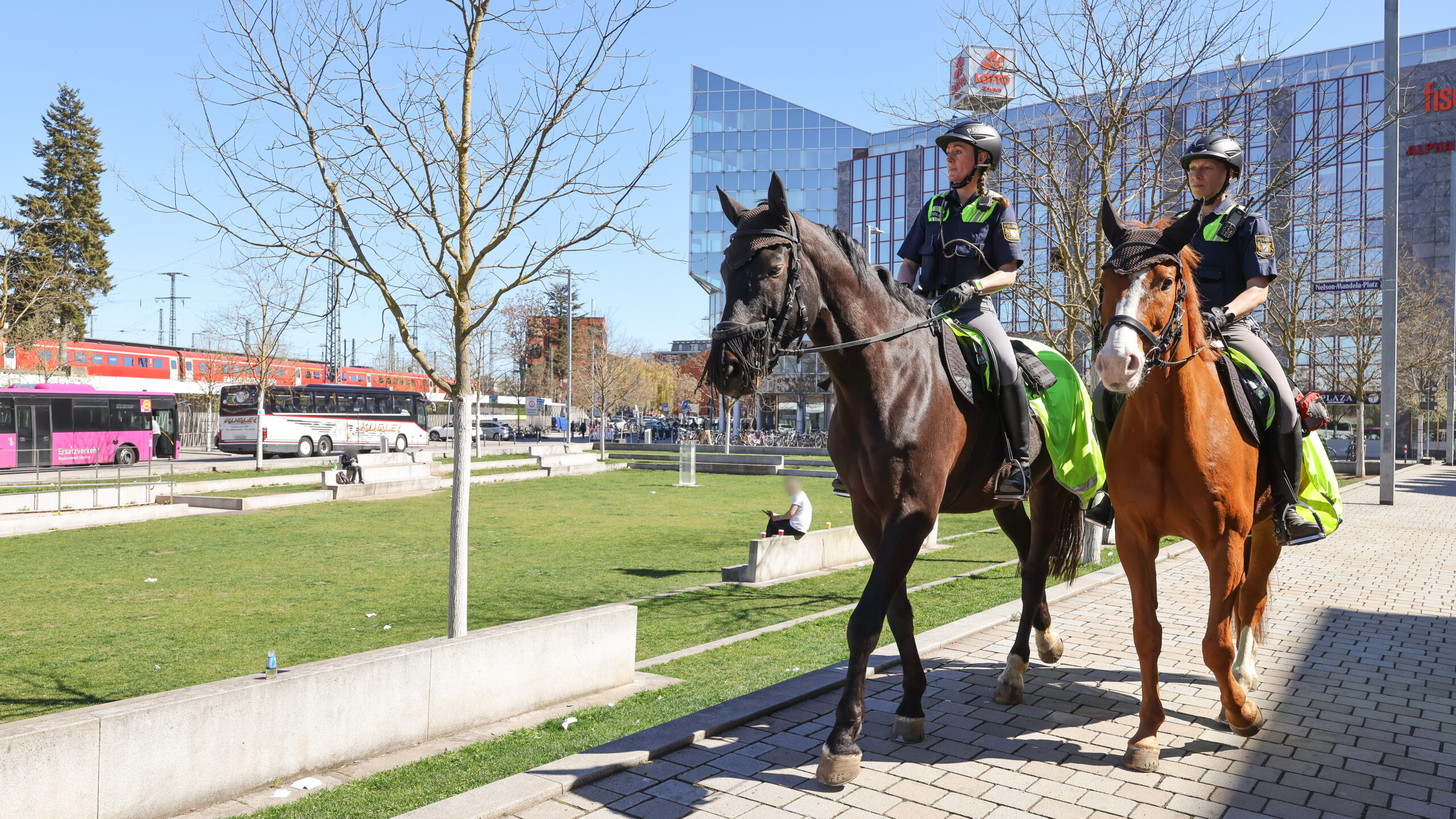
The Nuremberg mounted police unit now conducts patrols through the crisis zone around Nelson Mandela Square and Celtis Park, though the predatory network continues operating with apparent impunity. The systematic nature of the exploitation, combined with the organized approach of perpetrators from specific migrant communities, raises urgent questions about law enforcement response and political will to confront what appears to be an escalating crisis of child sexual exploitation in Germany’s cities.
Dimitris Papafotis is the editor-in-chief of NewsFire.GR. He was born and raised in Athens. He studied at the Journalism Workshop (1991-1993). He currently lives in Pyrgos, Ilia, where he has been active in radio and various newspapers, while also maintaining his personal blog, Papafotis.gr.
According to Nius, what should be carefree adolescent years for girls like Luisa, 14, and Sophia, 18, has instead become a nightmare of heroin, cocaine and benzodiazepine dependency, coupled with brutal sexual abuse they endure to obtain drugs. Police have confirmed this is not isolated criminality but an organized, systematic pattern of grooming and exploitation centered around Nelson Mandela Square, directly behind Nuremberg’s main train station.
Photo: nius.de
Predators Wait Outside Schools
The perpetrators deliberately target the most vulnerable victims, according to testimony from survivors. Luisa, whose name has been changed to protect her identity, recalls how her nightmare began at age 12. She and a friend were approached by an Algerian man near their school who offered them a joint. What seemed like casual experimentation quickly turned sinister when the men immediately began making physical advances.
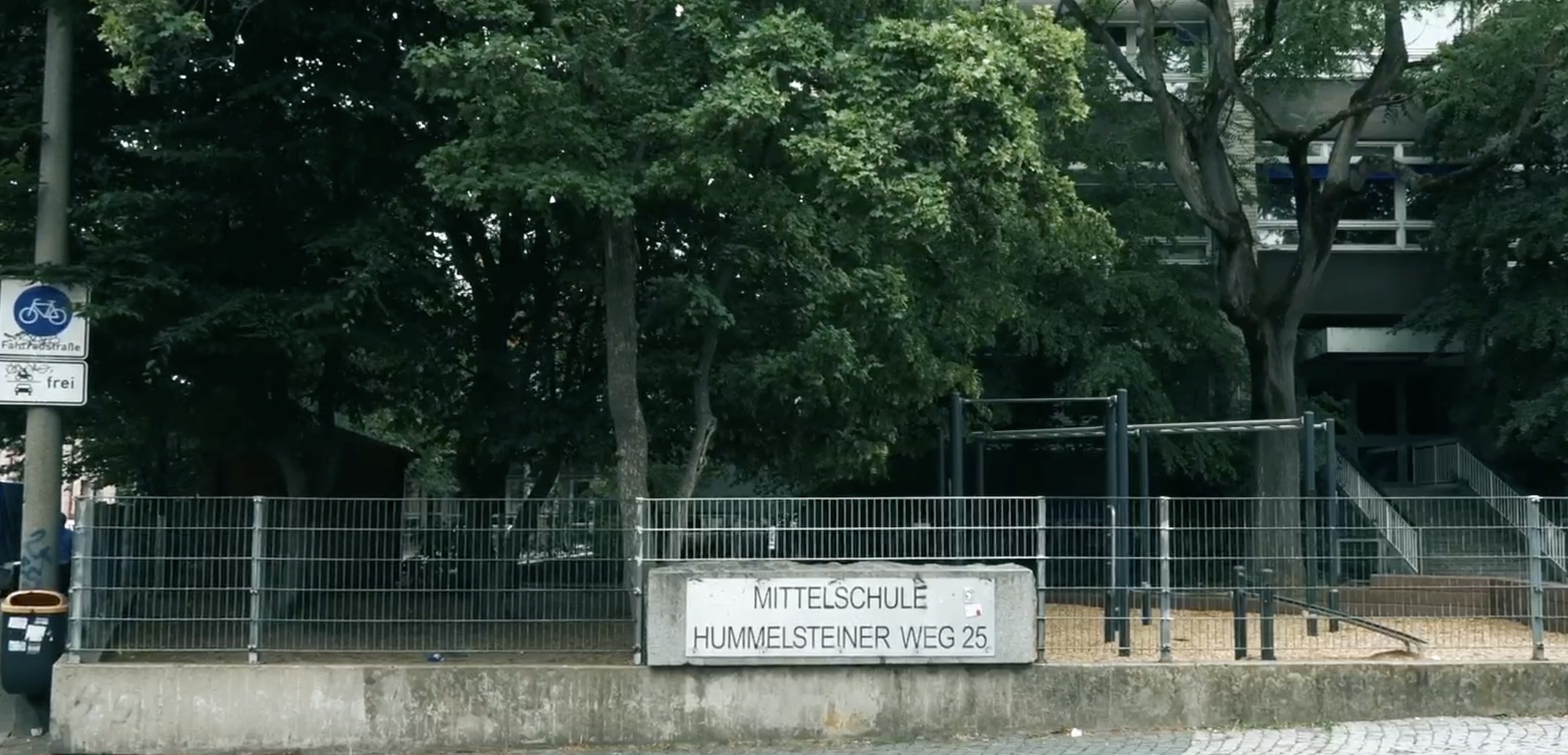
The pattern became relentless. Luisa explains that the men followed her and waited for children outside schools in the area. The perpetrators position themselves strategically behind school buildings near Nelson Mandela Square, intercepting youngsters as they leave campus. They initiate contact, exchange greetings, then ask if the children need anything.
Photo: nius.de
Sophia, now 18 but first targeted at 14, describes her initial encounter at the train station. She and her cousin were wearing short dresses when a man approached them with crude sexual remarks and an immediate offer of crystal methamphetamine in exchange for going home with him. She notes that girls cannot walk through the area in short clothing without being harassed.
Trust Building Precedes Exploitation
Observers monitoring the station area for several hours can identify the pattern with the naked eye, as Nius reports. Men repeatedly approach young women in a targeted manner. Sophia describes the routine: girls stop and talk to them, and when they need drugs, they walk away with the dealer, smoke with them or even go to their homes, where they receive their substances.
Photo: nius.de
Violence is never the opening move. Instead, perpetrators deploy attention and kindness to build trust. Luisa recalls that everyone was very nice to her at first, causing her to develop confidence in them. This calculated approach aligns with what Germany’s Federal Criminal Police Office classifies as sexual exploitation, according to Nius. The perpetrators invest time in establishing trust, isolating victims from family and friends, and making themselves indispensable before springing the trap.
Addiction Becomes the Weapon
Once physical dependency sets in, the system reveals its full brutality. Girls without money must pay with their bodies. Luisa describes how this horror has become routine: she goes to the square, sits with friends, gets approached with offers of drugs, and if she has no cash, she must provide sexual services.
Photo: nius.de
The dealers weaponize addiction with surgical precision. Luisa explains the mechanics: she asks a dealer if he has cocaine, he confirms, then asks if she will spend the night with him. Without money and physically dependent, girls accompany the men because they need the drugs. She emphasizes the coercion involved, stating she felt very uncomfortable but the dependency took over. The abuse extends beyond sexual exploitation to include beatings and being forced into acts against their will.
Photo: nius.de
Sophia describes the situation as an inescapable spiral, telling Nius she cannot get out because it functions like a vicious circle.
Rising National Crisis
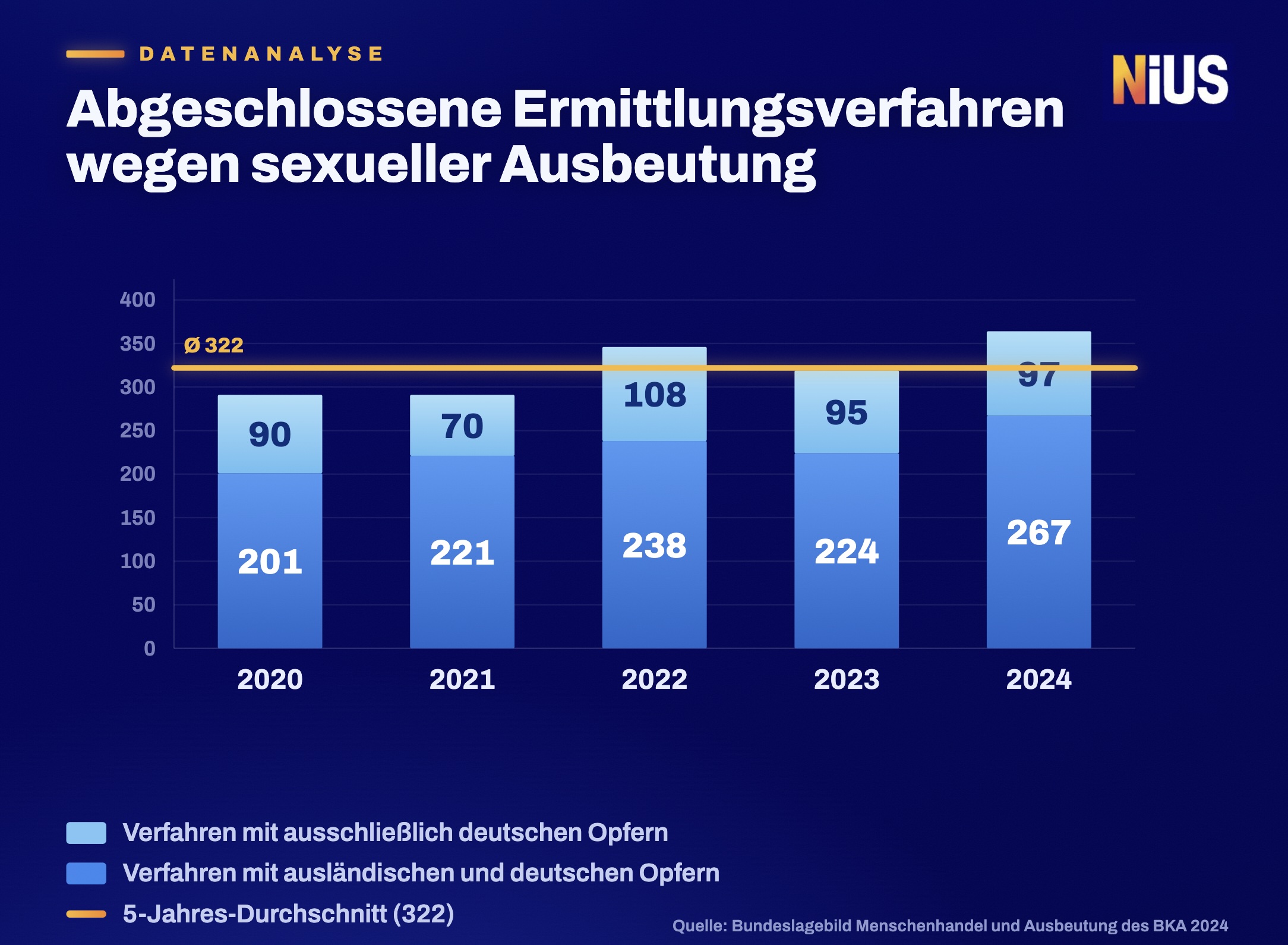
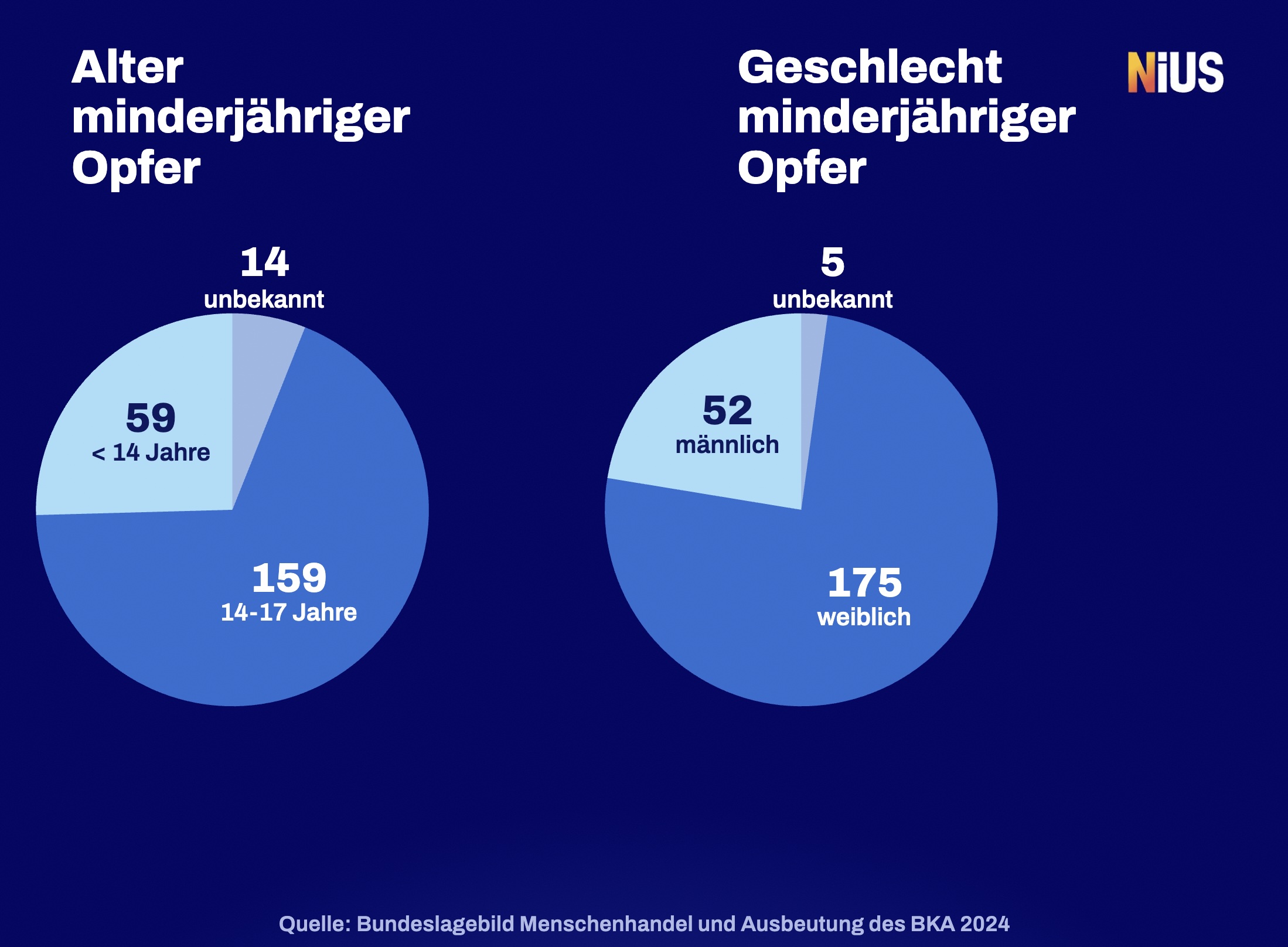
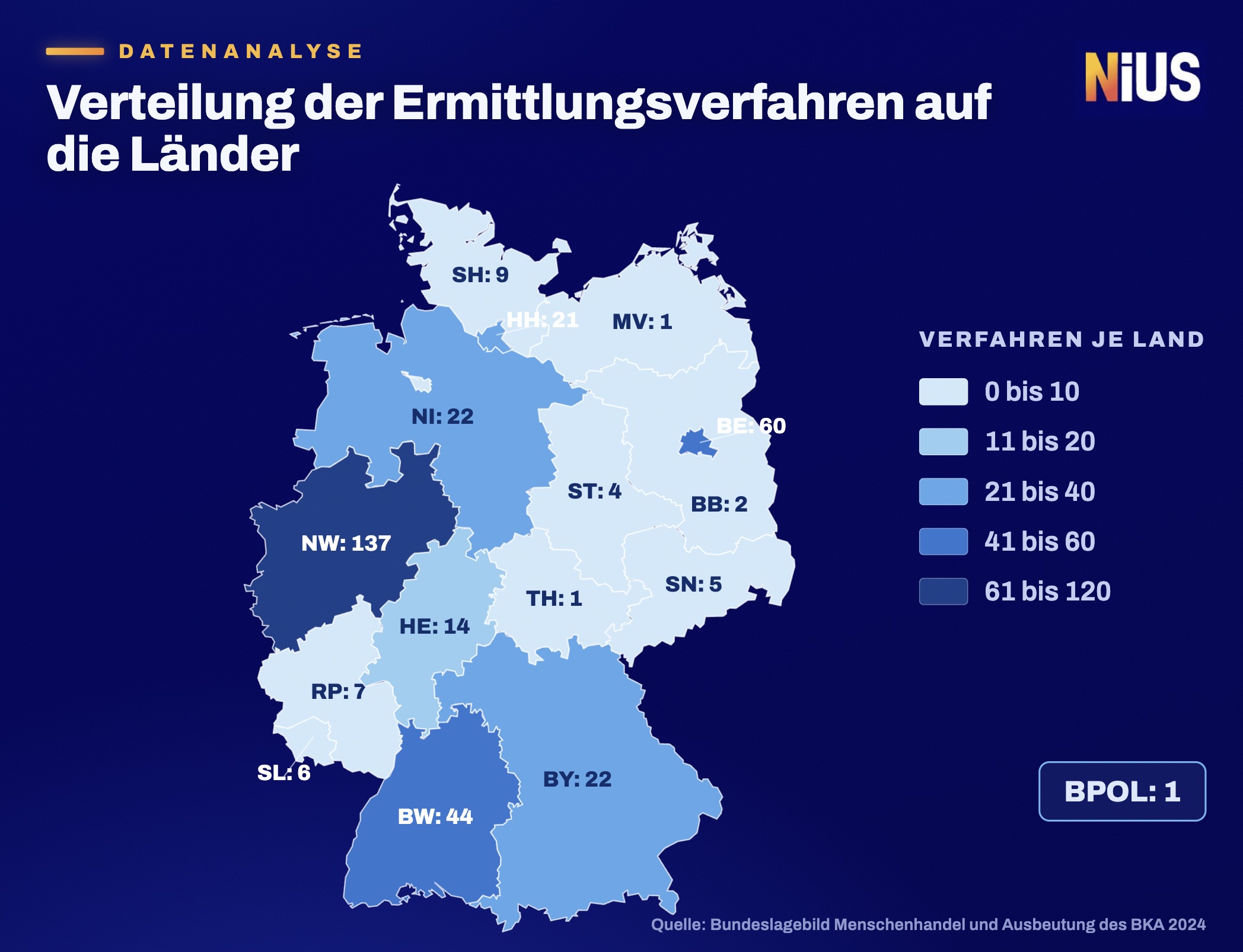
The Nuremberg case reflects broader national trends. Investigation procedures for sexual exploitation have reached their highest level since 2000, according to official statistics. The average age of underage victims stands at 15 years old. North Rhine-Westphalia and Berlin register the highest numbers of investigation procedures nationwide.
Photo: nius.dePhoto: nius.dePhoto: nius.de
The Nuremberg mounted police unit now conducts patrols through the crisis zone around Nelson Mandela Square and Celtis Park, though the predatory network continues operating with apparent impunity. The systematic nature of the exploitation, combined with the organized approach of perpetrators from specific migrant communities, raises urgent questions about law enforcement response and political will to confront what appears to be an escalating crisis of child sexual exploitation in Germany’s cities.