Israel Strikes Back Against Iran After Rocket Attacks from Iran and Yemen
Israel launched retaliatory strikes against Iranian military targets after Tehran fired eleven ballistic missiles at Israeli territory, with explosions reported in Tehran early Monday.


The Israeli Defense Forces confirmed the operation in the early hours of Monday morning via social media, stating that the military remains on full alert and prepared to act against any threat to the State of Israel. Iranian state broadcaster Irib and the Irna news agency reported explosions heard in the capital Tehran, though residential areas within the city were reportedly not hit.
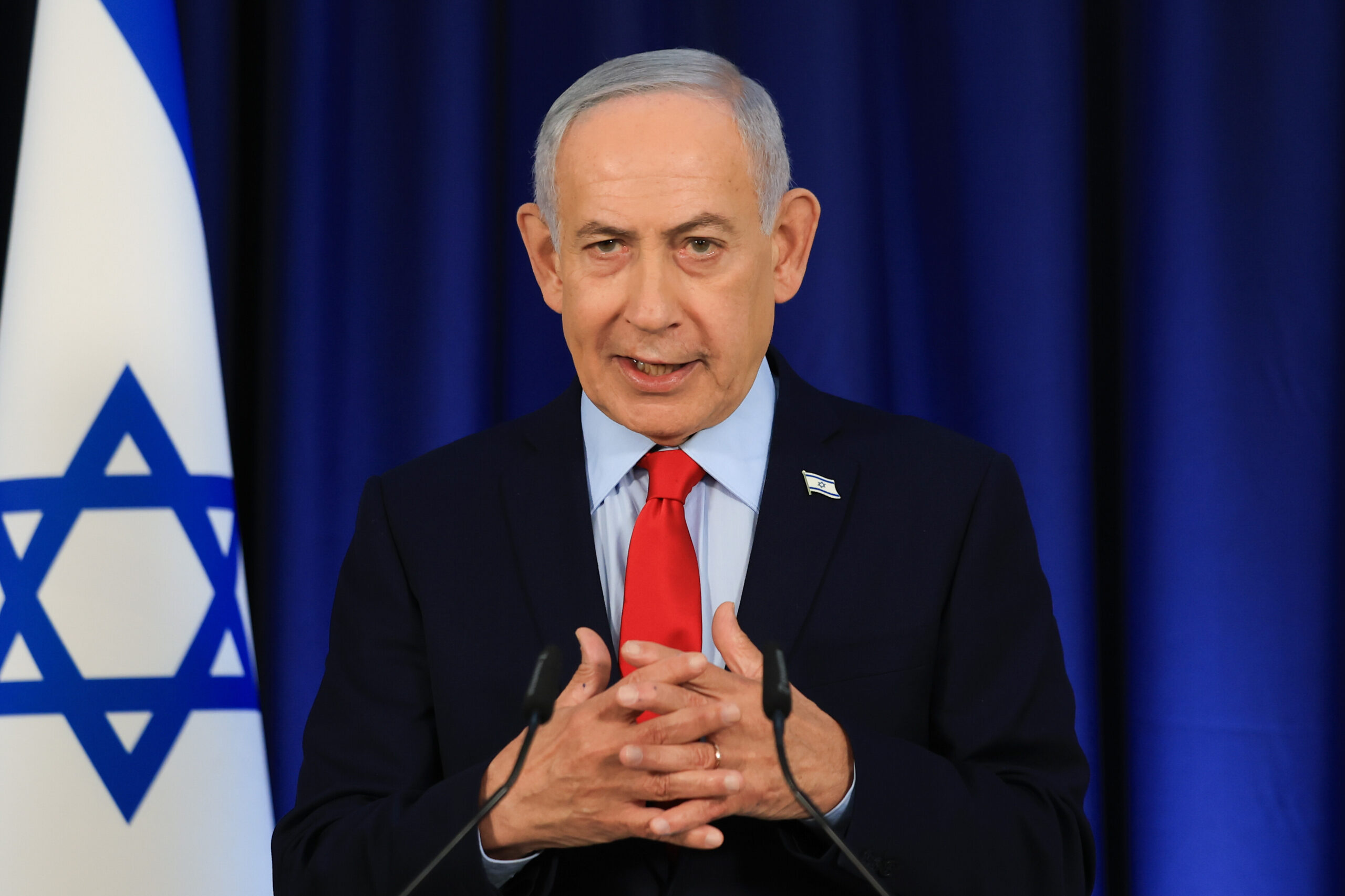
Israeli Ambassador to the United States Yechiel Leiter revealed that Iran had launched eleven ballistic missiles at Israel on Sunday night. Writing on X, Leiter emphasized that each of those missiles possessed the destructive capacity to level an entire city block and kill hundreds of people. He declared that no self-respecting nation would tolerate such an assault, and Israel would not either.
According to Leiter, Israeli forces targeted Iranian ground-to-ground missile launch sites and infrastructure facilities unrelated to the energy sector. The ambassador added that the people of Lebanon have rejected Hezbollah, Iran’s proxy militia, and called for Iran to leave their country. He warned that if Hezbollah fires on Israel, command centers in Lebanon would be hit hard, stressing that such action would have nothing to do with Iran itself.

Israeli Strikes in Beirut Despite Trump Ceasefire
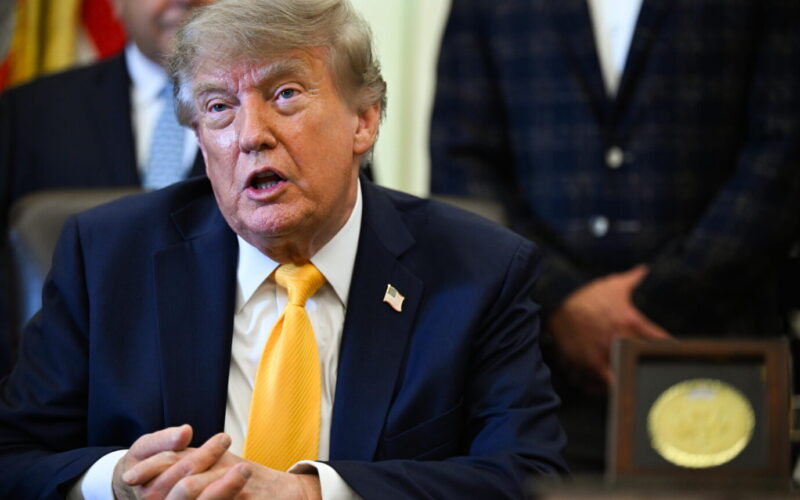
The escalation comes after Israel conducted airstrikes on Sunday in the suburbs of the Lebanese capital Beirut, despite a ceasefire announced by United States President Donald Trump. Prime Minister Benjamin Netanyahu and Defense Minister Israel Katz stated that the army had struck terrorist headquarters in Beirut in response to prior shelling of Israel by Hezbollah.
Hezbollah remains Iran’s most important non-state ally. Tehran had previously warned that further Israeli attacks on the greater Beirut area would be viewed as a new escalatory step in the regional confrontation.
Israel had significantly reduced strikes in the Beirut area following an official ceasefire that took effect in mid-April. President Trump had announced a halt to Israeli attacks and an end to Hezbollah assaults on Israel. However, Israel threatened to resume strikes on those areas if Hezbollah launched attacks on Israeli territory, and had already urged residents of Beirut’s suburbs to evacuate.
All Incoming Missiles Intercepted
The Israeli military reported that all rockets from the initial Iranian salvos were intercepted. State media from the Islamic Republic confirmed multiple missile launches targeting the enemy state on late Sunday evening. The Iron Dome and other Israeli air defense systems activated over northern Israel, with air raid sirens sounding across the region. No immediate reports of casualties or damage emerged from the interceptions.
By launching the counterstrike, Netanyahu disregarded the explicit position taken by President Trump, who had called for restraint and a cessation of hostilities in the region. The Israeli government appears determined to respond forcefully to any Iranian aggression regardless of international diplomatic pressure.
With information from Nius