Spain’s Judges Slam Government Over ‘Coup’ Claims
Spain's top judicial body rebuked government officials for calling corruption probes targeting Prime Minister Pedro Sánchez's inner circle a "judicial coup," warning such rhetoric undermines democracy.
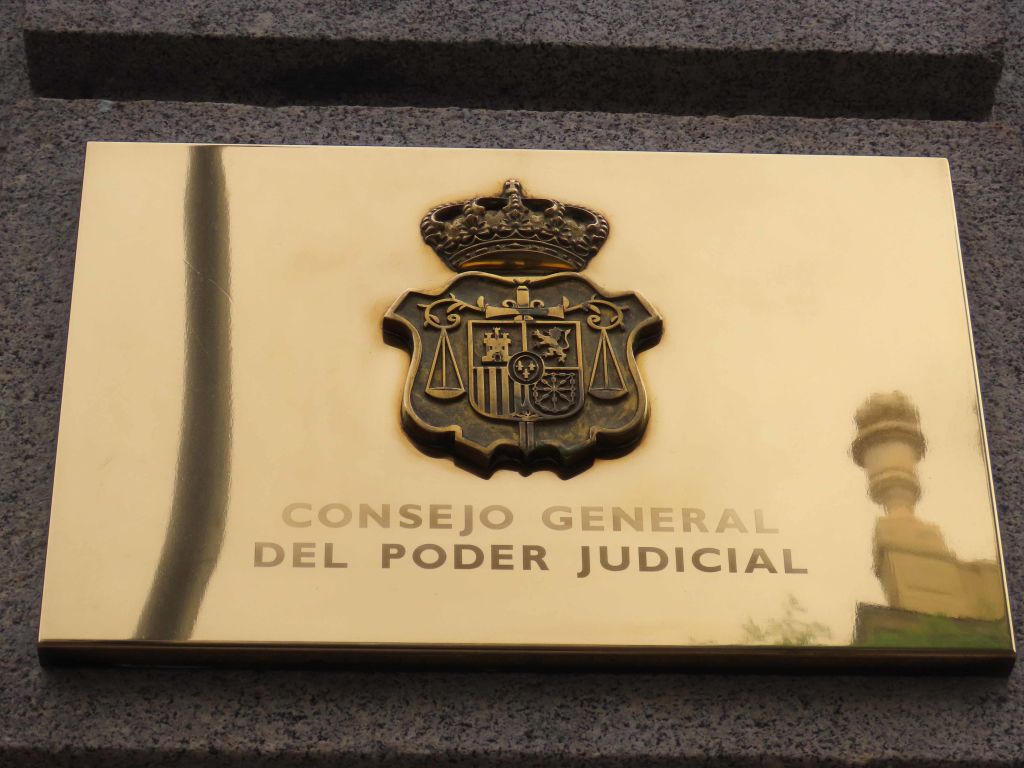
The General Council of the Judiciary (CGPJ) released a statement Tuesday expressing concern about senior officials within state institutions who have publicly questioned the independence and lawfulness of specific court proceedings, according to Brussels Signal.
The Council warned that attacks on constitutional principles, judicial independence and the right to legal defense represent assaults on the pillars of the rule of law. Such an atmosphere, the CGPJ stated, erodes the foundations of an advanced democratic society.
Isabel Perelló, who has chaired both the CGPJ and the Supreme Court since September 2024, signed the statement along with the Council’s standing committee.
Though the judicial body refrained from naming specific individuals, the protest comes amid mounting legal pressure on figures close to Sánchez. Members of his government have characterized the wave of judicial scrutiny as a soft coup attempt.
Prime Minister’s Wife Faces Criminal Charges
The most high-profile case involves Begoña Gómez, the prime minister’s wife, who was indicted in April on suspicion of influence peddling, corruption and misuse of public funds. She is scheduled for a preliminary hearing on June 9 and has denied all allegations.
The legal troubles extend beyond Gómez. Sánchez’s brother, David Sánchez, and former prime minister José Luis Rodríguez Zapatero have also been pulled into separate investigations.
In another damaging blow to the government, the Supreme Court convicted then-attorney general Álvaro García Ortiz in November 2025 of disclosing confidential information about the partner of Madrid regional leader Isabel Díaz Ayuso. He received a two-year ban from office and a €7,200 fine before resigning days later. Sánchez had publicly defended García Ortiz throughout the trial.
Police Raid Socialist Party Headquarters
The most recent flashpoint centers on an investigation led by judge Santiago Pedraz into an alleged scheme to obstruct inquiries into the party and government. The operation was supposedly run from the Madrid headquarters of the Spanish Socialist Workers’ Party (PSOE) on Ferraz Street.
Officers from the Civil Guard’s Central Operative Unit (UCO) spent more than 15 hours searching the PSOE headquarters.
PSOE national spokeswoman Montse Mínguez said Monday the party is not afraid of justice and would take no further action until the secrecy order on the case is lifted. She complained of a double standard, claiming investigations damaging the PSOE advance faster than those affecting the conservative People’s Party (PP) opposition.
Justice Minister Félix Bolaños delayed for four days the notification of case files to the parties, despite Pedraz having authorized partial release.
EU Concerns Over Rule of Law
The confrontation carries implications beyond Spain’s borders. Judicial independence forms a core component of rule of law standards that the European Union monitors across all member states.
The European Commission has repeatedly highlighted the CGPJ in its annual rule-of-law reports. Renewal of the Council was blocked between 2018 and 2024 during a standoff between Spain’s two main parties over appointments. A deal was reached only after Commission mediation.
Brussels has also pressed Spain to reform how the Council’s judge members are selected, in accordance with European standards.
The dispute shows no signs of abating. Gómez faces court next week, the secrecy order on the Ferraz investigation remains in place, and neither the government nor the judiciary has backed down, leaving relations between the two unusually strained.
With information from Brussels Signal