Necessary Cookies

Required for the site to function. Cannot be disabled.

Analytics Cookies

Help us understand how visitors interact with our site (Google Analytics via GTM).

Marketing Cookies

Used to track visitors and deliver personalised advertisements.

We use cookies to enhance your browsing experience and analyse site traffic. By clicking Accept All, you consent to our use of cookies. Privacy Policy
NewsFire Global
Home News Europe World Christianity Culture Wars Opinion
Information
About Us Authors Advertising Terms & Conditions Privacy Policy Contact
R2B Media
R2B NEWSFIRE.GR PAPAFOTIS.GR THRACTION HELLENIC CONSERVATIVES RIGHT2THEBONE YT
News World

Right-wing De la Espriella forces Colombia runoff with leftist

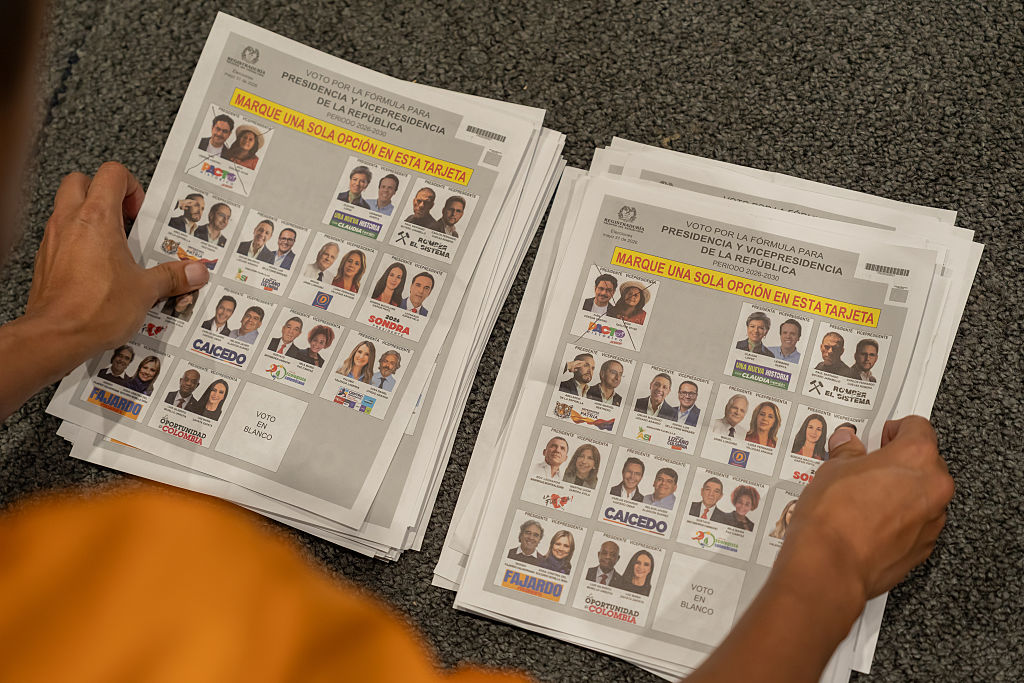
Right-wing lawyer Abelardo de la Espriella won Colombia's presidential first round with 43.7 percent and will face leftist Iván Cepeda in a June 21 run-off after securing swift conservative backing.

Newsroom
Newsroom Staff Writer
JUNE 1, 2026 AT 1:12 PM

De la Espriella, who leads the Defensores de la Patria movement, captured 43.7 per cent of the vote in the May 31 contest, according to Brussels Signal. His nearest challenger, left-wing senator Iván Cepeda of the Pacto Histórico coalition, secured 40.9 per cent.

Colombia’s National Civil Registry published the full count showing De la Espriella won more than 10.3 million votes compared to nearly 9.7 million for Cepeda. Conservative candidate Paloma Valencia of the Centro Democrático party, founded by former president Álvaro Uribe, finished a distant third with 6.9 per cent.

Conservative Forces Unite Behind De la Espriella

The right-wing attorney, who campaigned under the moniker “The Tiger,” wasted no time framing the upcoming run-off as a battle for Colombia’s future. In a social media video, he vowed to enter the second round to defeat what he called tyranny and absolutism, pledging to change the country’s trajectory permanently.

Within minutes of the results, Valencia endorsed De la Espriella and called for a Colombia that would resist falling into the hands of communism. Uribe quickly followed suit, urging his supporters to back the conservative lawyer and warning that Colombia must not become an extension of the political project associated with Petro and Cepeda.

The rapid consolidation of conservative support positions De la Espriella as the frontrunner heading into the June 21 showdown. Cepeda, by contrast, has not yet secured equivalent cross-party endorsements and faces the challenge of unifying a fractured left.

Security Concerns and Electoral Disputes

The first round proceeded largely without major disruptions, though Petro himself disputed the preliminary count even as final results solidified. Colombia’s Defence Ministry maintained a heightened security alert and reported eight arrests for electoral offences, including six individuals caught damaging public property and impersonating witnesses. An additional 84 people were detained on outstanding court orders, while authorities fielded 98 reports through a dedicated election hotline.

A Bitter Personal Contest

Cepeda adopted a defiant posture following the results, predicting victory in the second round and calling on his base to mobilize against his opponent. He launched sharp personal attacks against De la Espriella, branding him a misogynist and criticizing his legal career representing paramilitaries and drug traffickers. The leftist senator characterized his rival as embodying what he termed mafia fascism and representing a return to a corrupt para-political era now backed by international right-wing forces.

De la Espriella has built his campaign on law and order, free enterprise, and staunch opposition to what Colombian conservatives view as a dangerous shift toward the Venezuelan model under Petro’s administration.

High Stakes for the Americas

The June 21 run-off presents Colombian voters with a clear choice between continuing Petro’s leftist agenda under Cepeda or pursuing a sharp rightward turn under De la Espriella. The outcome carries significance well beyond Colombia’s borders, with conservative and right-wing movements across the Americas and the West viewing such electoral contests as critical battlegrounds in broader struggles over migration policy, national security, and economic freedom.

With information from Brussels Signal

Share:
Newsroom
Newsroom

NewsFire.GR is a website created with the hope that the media will rediscover their true identity, which is none other than informing the public about the real stakes of our times. Journalism and political analysis must hold power accountable, not serve it.

De la Espriella, who leads the Defensores de la Patria movement, captured 43.7 per cent of the vote in the May 31 contest, according to Brussels Signal. His nearest challenger, left-wing senator Iván Cepeda of the Pacto Histórico coalition, secured 40.9 per cent.

Colombia’s National Civil Registry published the full count showing De la Espriella won more than 10.3 million votes compared to nearly 9.7 million for Cepeda. Conservative candidate Paloma Valencia of the Centro Democrático party, founded by former president Álvaro Uribe, finished a distant third with 6.9 per cent.

Conservative Forces Unite Behind De la Espriella

The right-wing attorney, who campaigned under the moniker “The Tiger,” wasted no time framing the upcoming run-off as a battle for Colombia’s future. In a social media video, he vowed to enter the second round to defeat what he called tyranny and absolutism, pledging to change the country’s trajectory permanently.

Within minutes of the results, Valencia endorsed De la Espriella and called for a Colombia that would resist falling into the hands of communism. Uribe quickly followed suit, urging his supporters to back the conservative lawyer and warning that Colombia must not become an extension of the political project associated with Petro and Cepeda.

The rapid consolidation of conservative support positions De la Espriella as the frontrunner heading into the June 21 showdown. Cepeda, by contrast, has not yet secured equivalent cross-party endorsements and faces the challenge of unifying a fractured left.

Security Concerns and Electoral Disputes

The first round proceeded largely without major disruptions, though Petro himself disputed the preliminary count even as final results solidified. Colombia’s Defence Ministry maintained a heightened security alert and reported eight arrests for electoral offences, including six individuals caught damaging public property and impersonating witnesses. An additional 84 people were detained on outstanding court orders, while authorities fielded 98 reports through a dedicated election hotline.

A Bitter Personal Contest

Cepeda adopted a defiant posture following the results, predicting victory in the second round and calling on his base to mobilize against his opponent. He launched sharp personal attacks against De la Espriella, branding him a misogynist and criticizing his legal career representing paramilitaries and drug traffickers. The leftist senator characterized his rival as embodying what he termed mafia fascism and representing a return to a corrupt para-political era now backed by international right-wing forces.

De la Espriella has built his campaign on law and order, free enterprise, and staunch opposition to what Colombian conservatives view as a dangerous shift toward the Venezuelan model under Petro’s administration.

High Stakes for the Americas

The June 21 run-off presents Colombian voters with a clear choice between continuing Petro’s leftist agenda under Cepeda or pursuing a sharp rightward turn under De la Espriella. The outcome carries significance well beyond Colombia’s borders, with conservative and right-wing movements across the Americas and the West viewing such electoral contests as critical battlegrounds in broader struggles over migration policy, national security, and economic freedom.

With information from Brussels Signal