Necessary Cookies

Required for the site to function. Cannot be disabled.

Analytics Cookies

Help us understand how visitors interact with our site (Google Analytics via GTM).

Marketing Cookies

Used to track visitors and deliver personalised advertisements.

We use cookies to enhance your browsing experience and analyse site traffic. By clicking Accept All, you consent to our use of cookies. Privacy Policy
NewsFire Global
Home News Europe World Christianity Culture Wars Opinion
Information
About Us Authors Advertising Terms & Conditions Privacy Policy Contact
R2B Media
R2B NEWSFIRE.GR PAPAFOTIS.GR THRACTION HELLENIC CONSERVATIVES RIGHT2THEBONE YT
News World

Pro-Trump candidate leads Colombia vote amid fraud concerns

Conservative outsider Aberaldo de la Espriella surged to a first-round lead with 44% in Colombia's presidential election, narrowly beating leftist senator Iván Cepeda's 41% and setting up a June runoff.

Newsroom
Newsroom Staff Writer
JUNE 1, 2026 AT 10:06 AM

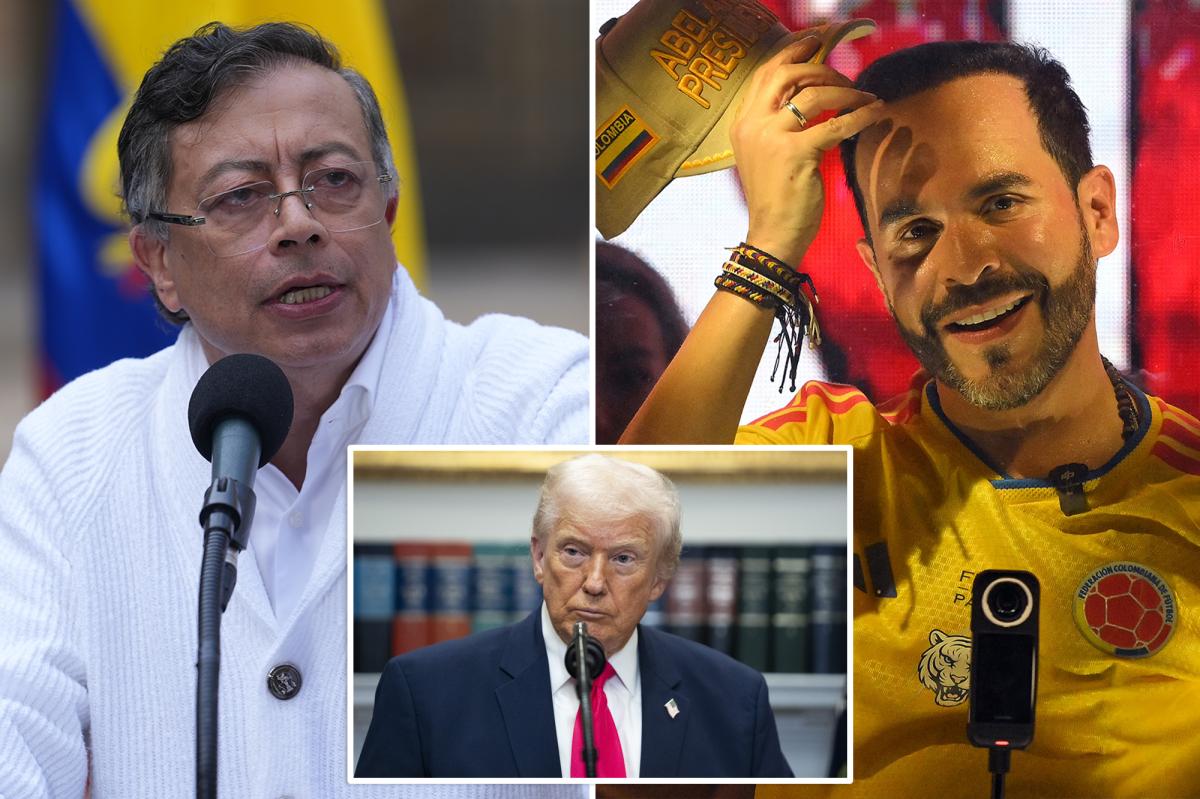
Aberaldo de la Espriella, a conservative newcomer known as “The Tiger,” secured 44% of votes cast on Sunday, narrowly edging out progressive senator Iván Cepeda, who took 41%, according to New York Post. With nearly complete results tallied by electoral authorities, neither candidate achieved the outright majority needed to avoid a second round.

Cepeda and outgoing President Gustavo Petro moved swiftly to cast doubt on the outcome, alleging without providing evidence that hundreds of thousands of votes had been manipulated and that foreign actors interfered with the election. Cepeda stated he would wait for electoral authorities to scrutinize results before accepting the count, though he acknowledged a runoff appeared inevitable.

Conservative Momentum Builds Against Progressive Agenda

The first-round results represent a significant upset for Cepeda, who had consistently led polling ahead of Sunday’s vote. De la Espriella rapidly gained ground in recent weeks by pledging aggressive action against armed groups, contrasting sharply with Cepeda’s plan to continue negotiating peace deals with guerrillas and criminal gangs.

The close margin likely favors de la Espriella heading into June’s runoff, as he is positioned to consolidate support from voters who backed other conservative candidates eliminated in the first round.

In a fiery victory speech delivered behind bulletproof glass, de la Espriella presented himself as aligned with US President Donald Trump’s vision for the region. Let the United States of America and democratic parties monitor this runoff election, he declared while pounding his chest before cheering supporters.

Security Versus Peace Negotiations

Colombian voters face starkly different visions for addressing violence that has plagued the nation despite a historic 2016 peace accord with Revolutionary Armed Forces of Colombia guerrillas. That agreement, signed a decade ago, promised to end cycles of conflict but has failed to deliver lasting peace as armed groups exploited negotiations to expand territorial control.

Cepeda has vowed to advance Petro’s progressive agenda and continue the administration’s troubled “total peace” initiative, which seeks negotiated settlements with armed factions. Critics argue this approach has allowed criminal organizations to strengthen rather than disarm.

De la Espriella offers a contrasting hardline approach, promising to crush criminal groups and construct ten mega-prisons. His security-first platform echoes policies implemented by El Salvador’s President Nayib Bukele, whose crackdown dramatically reduced homicides but sparked human rights concerns.

Regional Shift Away From Progressive Governance

The Colombian election reflects broader trends across Latin America, where voters increasingly reject progressive leaders in favor of candidates promising aggressive security measures. The Trump administration has amplified pressure on regional governments including Colombia, Mexico and Ecuador to intensify crime-fighting efforts.

Violence escalated dramatically during the campaign period. Armed groups launched drone strikes, attacks disrupted rallies, and in June, 39-year-old presidential hopeful Miguel Uribe Turbay was fatally shot at a political event. Despite deteriorating security conditions, Cepeda and Petro maintain support among some voters due to progressive economic policies including minimum wage increases.

A 62-year-old sociologist interviewed outside a voting station in Colombia’s capital on Sunday morning captured the stakes. He noted the outcome would signal whether progressive policies continue across Latin America or whether the region returns decisively to the right.

The June runoff is widely viewed as a referendum on Petro’s presidency and his failure to deliver on peace promises that brought him to power.

With information from New York Post
Share:
Newsroom
Newsroom

NewsFire.GR is a website created with the hope that the media will rediscover their true identity, which is none other than informing the public about the real stakes of our times. Journalism and political analysis must hold power accountable, not serve it.

Aberaldo de la Espriella, a conservative newcomer known as “The Tiger,” secured 44% of votes cast on Sunday, narrowly edging out progressive senator Iván Cepeda, who took 41%, according to New York Post. With nearly complete results tallied by electoral authorities, neither candidate achieved the outright majority needed to avoid a second round.

Cepeda and outgoing President Gustavo Petro moved swiftly to cast doubt on the outcome, alleging without providing evidence that hundreds of thousands of votes had been manipulated and that foreign actors interfered with the election. Cepeda stated he would wait for electoral authorities to scrutinize results before accepting the count, though he acknowledged a runoff appeared inevitable.

Conservative Momentum Builds Against Progressive Agenda

The first-round results represent a significant upset for Cepeda, who had consistently led polling ahead of Sunday’s vote. De la Espriella rapidly gained ground in recent weeks by pledging aggressive action against armed groups, contrasting sharply with Cepeda’s plan to continue negotiating peace deals with guerrillas and criminal gangs.

The close margin likely favors de la Espriella heading into June’s runoff, as he is positioned to consolidate support from voters who backed other conservative candidates eliminated in the first round.

In a fiery victory speech delivered behind bulletproof glass, de la Espriella presented himself as aligned with US President Donald Trump’s vision for the region. Let the United States of America and democratic parties monitor this runoff election, he declared while pounding his chest before cheering supporters.

Security Versus Peace Negotiations

Colombian voters face starkly different visions for addressing violence that has plagued the nation despite a historic 2016 peace accord with Revolutionary Armed Forces of Colombia guerrillas. That agreement, signed a decade ago, promised to end cycles of conflict but has failed to deliver lasting peace as armed groups exploited negotiations to expand territorial control.

Cepeda has vowed to advance Petro’s progressive agenda and continue the administration’s troubled “total peace” initiative, which seeks negotiated settlements with armed factions. Critics argue this approach has allowed criminal organizations to strengthen rather than disarm.

De la Espriella offers a contrasting hardline approach, promising to crush criminal groups and construct ten mega-prisons. His security-first platform echoes policies implemented by El Salvador’s President Nayib Bukele, whose crackdown dramatically reduced homicides but sparked human rights concerns.

Regional Shift Away From Progressive Governance

The Colombian election reflects broader trends across Latin America, where voters increasingly reject progressive leaders in favor of candidates promising aggressive security measures. The Trump administration has amplified pressure on regional governments including Colombia, Mexico and Ecuador to intensify crime-fighting efforts.

Violence escalated dramatically during the campaign period. Armed groups launched drone strikes, attacks disrupted rallies, and in June, 39-year-old presidential hopeful Miguel Uribe Turbay was fatally shot at a political event. Despite deteriorating security conditions, Cepeda and Petro maintain support among some voters due to progressive economic policies including minimum wage increases.

A 62-year-old sociologist interviewed outside a voting station in Colombia’s capital on Sunday morning captured the stakes. He noted the outcome would signal whether progressive policies continue across Latin America or whether the region returns decisively to the right.

The June runoff is widely viewed as a referendum on Petro’s presidency and his failure to deliver on peace promises that brought him to power.

With information from New York Post