Necessary Cookies

Required for the site to function. Cannot be disabled.

Analytics Cookies

Help us understand how visitors interact with our site (Google Analytics via GTM).

Marketing Cookies

Used to track visitors and deliver personalised advertisements.

We use cookies to enhance your browsing experience and analyse site traffic. By clicking Accept All, you consent to our use of cookies. Privacy Policy
NewsFire Global
Home News Europe World Christianity Culture Wars Opinion Video
Information
About Us Authors Advertising Terms & Conditions Privacy Policy Contact
R2B Media
R2B NEWSFIRE.GR PAPAFOTIS.GR THRACTION HELLENIC CONSERVATIVES RIGHT2THEBONE YT
News World

California Hides Violent Juvenile Offenders in Unsupervised Homes

California's most dangerous juvenile offenders are being placed in virtually unregulated facilities that can charge taxpayers up to $30,000 monthly with no background checks required for operators.
Stefanos Banos
Stefanos Banos Staff Writer
MAY 30, 2026 AT 11:05 PM

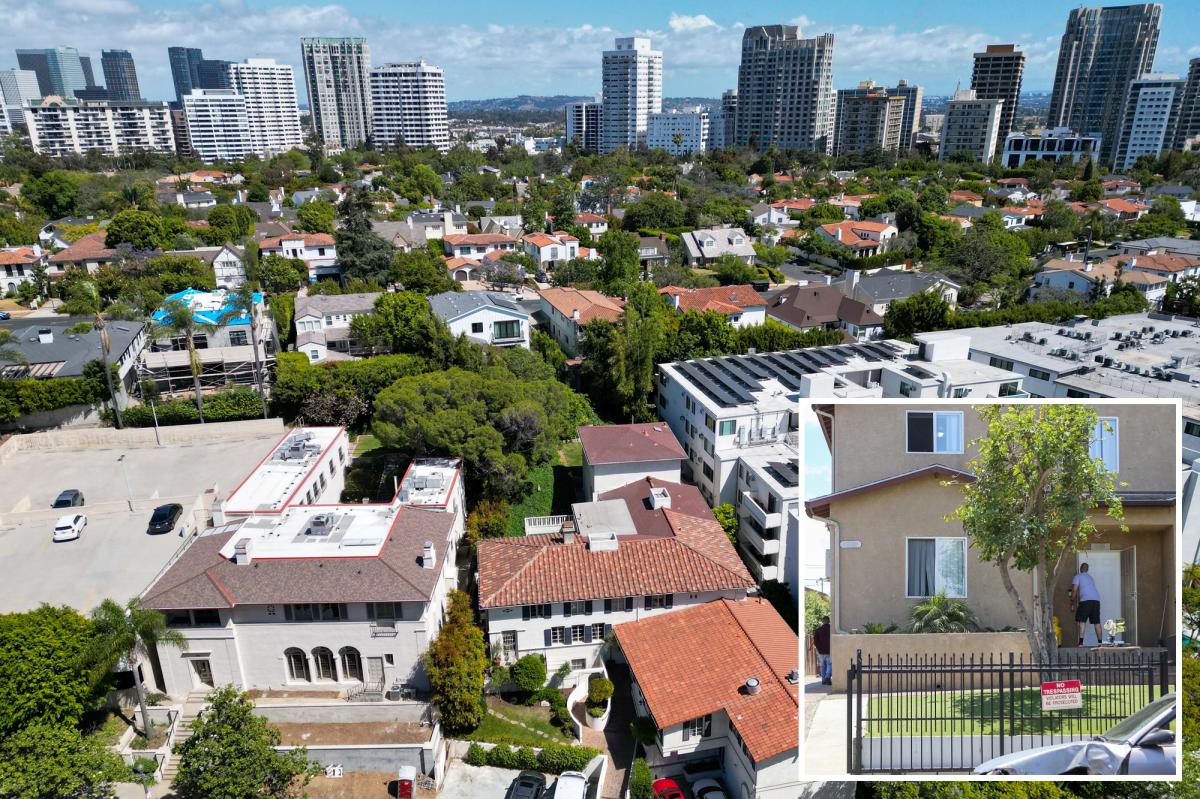
The facilities, known as “less restrictive programs” or LRPs, can charge taxpayers up to $30,000 per month for each youth offender, county probation chiefs told the outlet. Young people convicted of murder, rape, aggravated assault, kidnapping, and arson are among those being housed in these loosely supervised programs.

Zero Regulation, Zero Vetting

Multiple county probation chiefs, speaking on condition of anonymity, revealed that counties frequently do not know where these facilities are located or who operates them until program representatives appear in court seeking to house offenders.

One probation chief told New York Post that courts are routinely forcing probation departments to place juveniles in these programs before officials believe the youths are ready for such placements. The facilities operate with no licensing requirements, no background screening for operators, and no checks on staff members despite housing violent offenders.

Newsom Policy Sparked Expansion

The proliferation of LRPs began after Governor Gavin Newsom signed Senate Bill 823, which led to the closure of California’s Department of Juvenile Justice in 2023 and transferred responsibility for youth offenders to counties.

The state established the Office of Youth and Community Restoration to oversee the transition, but OYCR’s own guidance confirms there is no special license or requirement to operate an LRP for offenders aged 18 or older. Anyone can essentially open and run such a facility at virtually any location.

OYCR told New York Post that no statewide list of LRPs exists and claimed registration or vetting is a city and county responsibility. The Los Angeles County Board of Supervisors failed to respond to multiple inquiries about registration processes, eligibility requirements, or oversight mechanisms.

Sex Offenders Next to Schools

The lack of notification requirements means an LRP housing sex offenders could operate immediately adjacent to a school without anyone in the area being informed, one chief warned.

Vicky Waters, communications director for LA County Probation Department, confirmed that there are no specific state or local requirements mandating notification to neighboring residents, schools, or law enforcement when an LRP opens in a community.

College Campus Housing

At least one LRP operates on UCLA’s campus itself. Los Angeles Room & Board runs The Opportunity House on Sorority Row, but its website advertises affordable transitional housing for college students without disclosing that it also houses adult offenders adjudicated for serious crimes.

Founder Sam Prater told New York Post the program serves individuals who have experienced homelessness, housing instability, and foster care involvement, and that some residents participate through the county’s LRP system.

Prater claimed there has not been a single incident affecting UCLA students or the surrounding community during the two years the program has operated on campus.

Los Angeles Room & Board received $1.2 million last year to house nine adult youths, and has received $742,000 so far in 2026, according to LA County’s court-ordered payment summary for LRPs obtained through public records requests.

With information from New York Post

Share:
Stefanos Banos
Stefanos Banos

Stefanos Banos was born in Piraeus and is an editor at NewsFire.GR, specializing in political analysis and international relations. He graduated from the Department of Communication and Media at the University of Bremen in Germany, where he also completed his Master of Arts in Communication and Media Studies. Married to Zoi, he is a proud father of three boys.

The facilities, known as “less restrictive programs” or LRPs, can charge taxpayers up to $30,000 per month for each youth offender, county probation chiefs told the outlet. Young people convicted of murder, rape, aggravated assault, kidnapping, and arson are among those being housed in these loosely supervised programs.

Zero Regulation, Zero Vetting

Multiple county probation chiefs, speaking on condition of anonymity, revealed that counties frequently do not know where these facilities are located or who operates them until program representatives appear in court seeking to house offenders.

One probation chief told New York Post that courts are routinely forcing probation departments to place juveniles in these programs before officials believe the youths are ready for such placements. The facilities operate with no licensing requirements, no background screening for operators, and no checks on staff members despite housing violent offenders.

Newsom Policy Sparked Expansion

The proliferation of LRPs began after Governor Gavin Newsom signed Senate Bill 823, which led to the closure of California’s Department of Juvenile Justice in 2023 and transferred responsibility for youth offenders to counties.

The state established the Office of Youth and Community Restoration to oversee the transition, but OYCR’s own guidance confirms there is no special license or requirement to operate an LRP for offenders aged 18 or older. Anyone can essentially open and run such a facility at virtually any location.

OYCR told New York Post that no statewide list of LRPs exists and claimed registration or vetting is a city and county responsibility. The Los Angeles County Board of Supervisors failed to respond to multiple inquiries about registration processes, eligibility requirements, or oversight mechanisms.

Sex Offenders Next to Schools

The lack of notification requirements means an LRP housing sex offenders could operate immediately adjacent to a school without anyone in the area being informed, one chief warned.

Vicky Waters, communications director for LA County Probation Department, confirmed that there are no specific state or local requirements mandating notification to neighboring residents, schools, or law enforcement when an LRP opens in a community.

College Campus Housing

At least one LRP operates on UCLA’s campus itself. Los Angeles Room & Board runs The Opportunity House on Sorority Row, but its website advertises affordable transitional housing for college students without disclosing that it also houses adult offenders adjudicated for serious crimes.

Founder Sam Prater told New York Post the program serves individuals who have experienced homelessness, housing instability, and foster care involvement, and that some residents participate through the county’s LRP system.

Prater claimed there has not been a single incident affecting UCLA students or the surrounding community during the two years the program has operated on campus.

Los Angeles Room & Board received $1.2 million last year to house nine adult youths, and has received $742,000 so far in 2026, according to LA County’s court-ordered payment summary for LRPs obtained through public records requests.

With information from New York Post