Necessary Cookies

Required for the site to function. Cannot be disabled.

Analytics Cookies

Help us understand how visitors interact with our site (Google Analytics via GTM).

Marketing Cookies

Used to track visitors and deliver personalised advertisements.

We use cookies to enhance your browsing experience and analyse site traffic. By clicking Accept All, you consent to our use of cookies. Privacy Policy
NewsFire Global
Home News Europe World Christianity Culture Wars Opinion Video
Information
About Us Authors Advertising Terms & Conditions Privacy Policy Contact
R2B Media
R2B NEWSFIRE.GR PAPAFOTIS.GR THRACTION HELLENIC CONSERVATIVES RIGHT2THEBONE YT
News Culture Wars

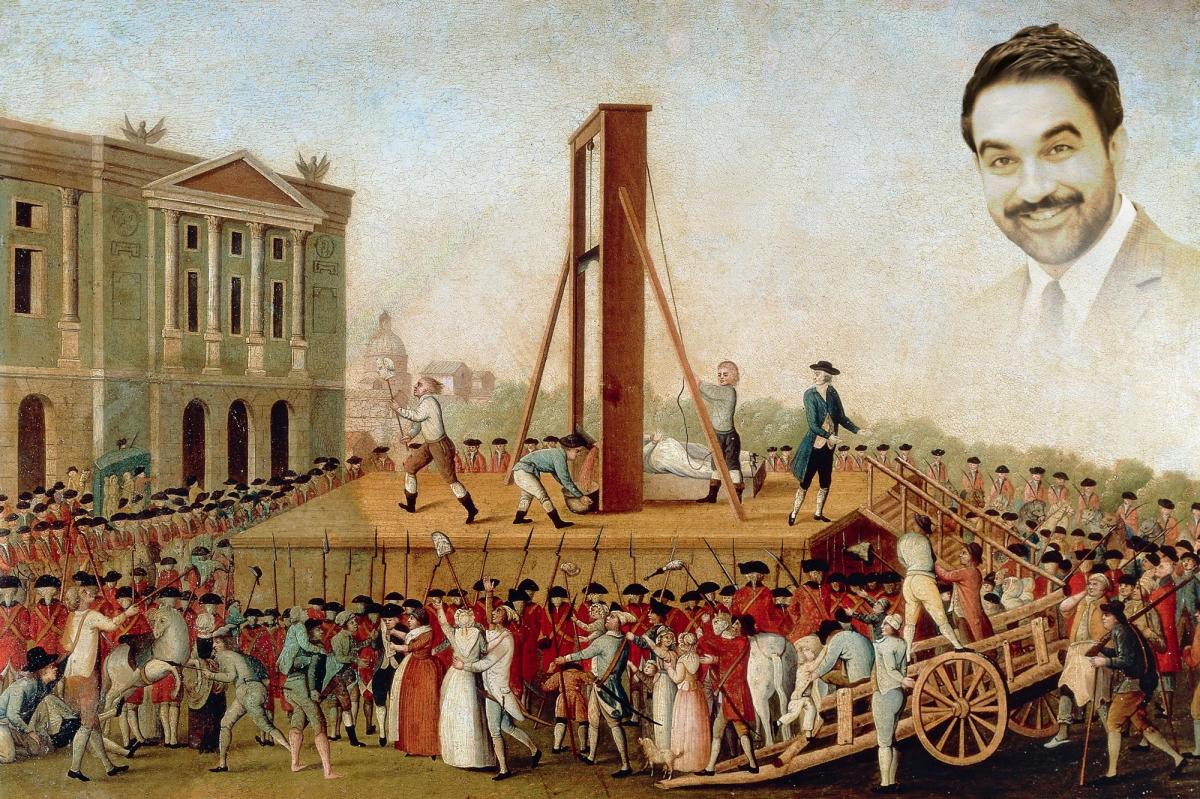
Today’s Leftists Possessed by Spirit of Guillotine Revolutionaries

Historian Victor Davis Hanson argues Democrats became a revolutionary movement during the Trump era, abandoning traditional opposition for systematic destruction attempts driven by wealthy elites.
Stefanos Banos
Stefanos Banos Staff Writer
SEPTEMBER 7, 2026 AT 12:04 AM

Writing in New York Post, historian Victor Davis Hanson argues that between 2015 and 2025, Democrats unleashed a level of political hysteria not witnessed in over 160 years. Unlike the conventional two-party disagreements that had operated within accepted boundaries since the Civil War, the opposition to Trump took on an unprecedented character aimed at total annihilation of the candidate, president, former president, and ultimately re-elected president.

The transformation marked a fundamental shift in Democratic Party ideology and composition. The party pivoted away from its historical solidarity with the middle classes toward a movement dominated by wealthy elites and professional cadres who positioned themselves as protectors of the subsidized poor. This reflected new 21st-century sources of influence and wealth within Democratic ranks.

Modern Jacobins and Elite Hypocrisy

Hanson draws parallels between the radicalized Democrats and the Jacobin revolutionaries of 18th-century France. Like their historical predecessors, today’s progressive elites rarely subject themselves to the consequences of their own radical ideologies, whether concerning climate-change restrictions on personal energy use, open borders, or defunding the police.

The most vocal firebrands of this new movement — Representatives Jasmine Crockett of Texas and Ilhan Omar of Minnesota, along with Mayor Mamdani — all came from privileged backgrounds. They were either children of the upper-middle classes, claimed multimillionaire status while serving in Congress, or arrived as immigrants from ruling elites of their former homelands, enjoying advantages impossible for ordinary citizens.

Fringe Issues and Middle-Class Alienation

The leftist elite championed boutique causes that held little relevance for or actively alienated the middle class and minorities. These included reparations to African Americans, transgender athletes competing in women’s sports, and bans on natural gas appliances. Such obsessions demonstrated the growing disconnect between Democratic leadership and working Americans.

The radical transformation began during the 2016 campaign when Hillary Clinton, once considered moderate, embraced Jacobin-style tactics. Democrats substituted lawfare, radically transformed balloting laws and procedures, and weaponized federal agencies as instruments of political warfare.

Reflexive Opposition and Norm Destruction

Policy substance became irrelevant to the Democratic opposition. Regardless of whether a Trump position aligned with their own previous stances, served the national interest, or enjoyed popular support, Democrats opposed it if they detected Trump’s involvement. Destroying this figure they deemed a demonic menace justified appearing hypocritical or defying public opinion.

Hanson contends the new Jacobins never imagined they were dismantling protective norms and establishing dangerous precedents that could rebound against them, particularly if Trump returned to power. They ignored the ancient warnings of historian Thucydides, who chronicled destructive revolutionary cycles during the Peloponnesian War and cautioned against demolishing legal and cultural norms that might later be needed by those who destroyed them.

The Biden Facade

In 2020, an enfeebled Joe Biden was nominated in what amounted to a Faustian bargain, providing a moderate veneer for the hard-leftist Democratic Party. This facade proved necessary to conceal what became, after 2020, the most radical political agenda in modern presidential history, implemented by the Jacobin apparatus that could never have realized such ambitions transparently or under normal circumstances.

Beyond rampant inflation, massive deficits and diversity fixations, the most shocking policy was the complete erasure of the southern border. Under Biden and Homeland Security Secretary Alejandro Mayorkas, the border ceased to exist by design. This nihilism proved especially damaging given that the traditional melting-pot assimilationist and integrationist model had already been largely abandoned.

The analysis suggests this Jacobin nihilism extended across virtually every aspect of governance during and after 2020, representing a fundamental break from American political traditions and norms that had endured for more than a century and a half.

With information from New York Post

Share:
Stefanos Banos
Stefanos Banos

Stefanos Banos was born in Piraeus and is an editor at NewsFire.GR, specializing in political analysis and international relations. He graduated from the Department of Communication and Media at the University of Bremen in Germany, where he also completed his Master of Arts in Communication and Media Studies. Married to Zoi, he is a proud father of three boys.

Recent News

Writing in New York Post, historian Victor Davis Hanson argues that between 2015 and 2025, Democrats unleashed a level of political hysteria not witnessed in over 160 years. Unlike the conventional two-party disagreements that had operated within accepted boundaries since the Civil War, the opposition to Trump took on an unprecedented character aimed at total annihilation of the candidate, president, former president, and ultimately re-elected president.

The transformation marked a fundamental shift in Democratic Party ideology and composition. The party pivoted away from its historical solidarity with the middle classes toward a movement dominated by wealthy elites and professional cadres who positioned themselves as protectors of the subsidized poor. This reflected new 21st-century sources of influence and wealth within Democratic ranks.

Modern Jacobins and Elite Hypocrisy

Hanson draws parallels between the radicalized Democrats and the Jacobin revolutionaries of 18th-century France. Like their historical predecessors, today’s progressive elites rarely subject themselves to the consequences of their own radical ideologies, whether concerning climate-change restrictions on personal energy use, open borders, or defunding the police.

The most vocal firebrands of this new movement — Representatives Jasmine Crockett of Texas and Ilhan Omar of Minnesota, along with Mayor Mamdani — all came from privileged backgrounds. They were either children of the upper-middle classes, claimed multimillionaire status while serving in Congress, or arrived as immigrants from ruling elites of their former homelands, enjoying advantages impossible for ordinary citizens.

Fringe Issues and Middle-Class Alienation

The leftist elite championed boutique causes that held little relevance for or actively alienated the middle class and minorities. These included reparations to African Americans, transgender athletes competing in women’s sports, and bans on natural gas appliances. Such obsessions demonstrated the growing disconnect between Democratic leadership and working Americans.

The radical transformation began during the 2016 campaign when Hillary Clinton, once considered moderate, embraced Jacobin-style tactics. Democrats substituted lawfare, radically transformed balloting laws and procedures, and weaponized federal agencies as instruments of political warfare.

Reflexive Opposition and Norm Destruction

Policy substance became irrelevant to the Democratic opposition. Regardless of whether a Trump position aligned with their own previous stances, served the national interest, or enjoyed popular support, Democrats opposed it if they detected Trump’s involvement. Destroying this figure they deemed a demonic menace justified appearing hypocritical or defying public opinion.

Hanson contends the new Jacobins never imagined they were dismantling protective norms and establishing dangerous precedents that could rebound against them, particularly if Trump returned to power. They ignored the ancient warnings of historian Thucydides, who chronicled destructive revolutionary cycles during the Peloponnesian War and cautioned against demolishing legal and cultural norms that might later be needed by those who destroyed them.

The Biden Facade

In 2020, an enfeebled Joe Biden was nominated in what amounted to a Faustian bargain, providing a moderate veneer for the hard-leftist Democratic Party. This facade proved necessary to conceal what became, after 2020, the most radical political agenda in modern presidential history, implemented by the Jacobin apparatus that could never have realized such ambitions transparently or under normal circumstances.

Beyond rampant inflation, massive deficits and diversity fixations, the most shocking policy was the complete erasure of the southern border. Under Biden and Homeland Security Secretary Alejandro Mayorkas, the border ceased to exist by design. This nihilism proved especially damaging given that the traditional melting-pot assimilationist and integrationist model had already been largely abandoned.

The analysis suggests this Jacobin nihilism extended across virtually every aspect of governance during and after 2020, representing a fundamental break from American political traditions and norms that had endured for more than a century and a half.

With information from New York Post