Necessary Cookies

Required for the site to function. Cannot be disabled.

Analytics Cookies

Help us understand how visitors interact with our site (Google Analytics via GTM).

Marketing Cookies

Used to track visitors and deliver personalised advertisements.

We use cookies to enhance your browsing experience and analyse site traffic. By clicking Accept All, you consent to our use of cookies. Privacy Policy
NewsFire Global
Home News Europe World Christianity Culture Wars Opinion Video
Information
About Us Authors Advertising Terms & Conditions Privacy Policy Contact
R2B Media
R2B NEWSFIRE.GR PAPAFOTIS.GR THRACTION HELLENIC CONSERVATIVES RIGHT2THEBONE YT
News Europe

US Lawmakers Push Rubio to Fast-Track Great Sea Interconnector

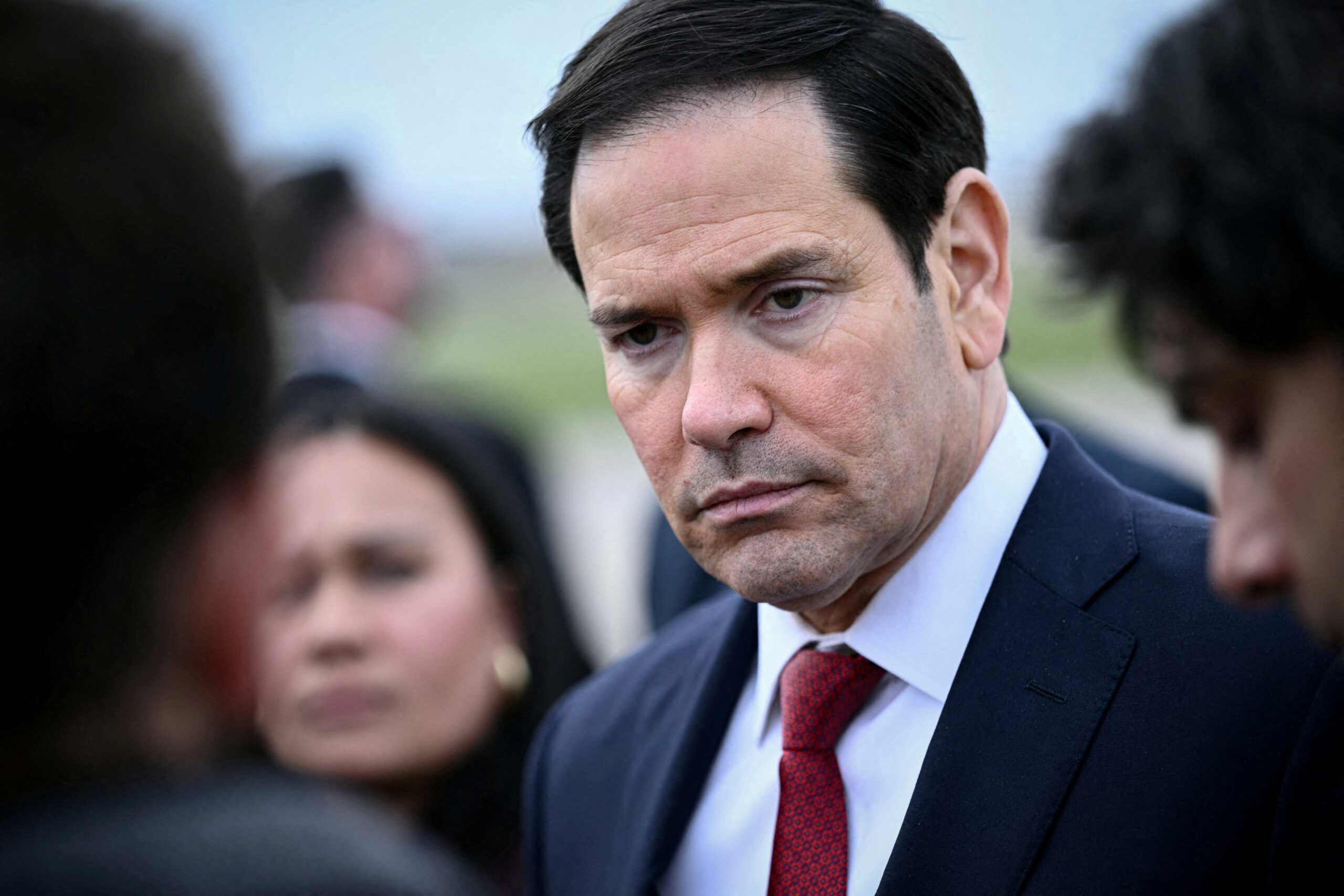
U.S. lawmakers urged Secretary of State Marco Rubio to prioritize the Great Sea Interconnector, an undersea cable linking Greece, Cyprus, and Israel's power grids that they say is vital to American strategic interests.

Dimitris Papafotis
Dimitris Papafotis Editor in Chief
AUGUST 12, 2026 AT 3:21 PM

According to Congressmen Brad Schneider of Illinois and Gus Bilirakis of Florida, the undersea cable linking the power grids of Greece, Cyprus, and Israel represents a cornerstone of regional energy security and American influence in a strategically contested zone, as Eleni Panayiotou reports in Cyprus Mail.

In a joint letter addressed to Rubio and DFC head Ben Black, the bipartisan group argued that the interconnector is integral to the success of the India-Middle East-Europe Economic Corridor, a regional framework championed by Washington to counter rival influence and secure Western access to critical energy and trade routes.

The Eastern Mediterranean will play a vitally important role as a gateway to IMEC, the lawmakers wrote, urging the administration to recognize the project’s geopolitical weight. They warned that the United States has a direct national interest in ensuring that infrastructure development in the region strengthens allied governments, diversifies energy pathways, and deepens integration among pro-Western partners.

Strategic Interconnection Among Key Allies

The Great Sea Interconnector would end Cyprus’ long-standing isolation from the European electricity transmission network, bolster Israel’s energy resilience, and establish a reliable, two-way flow of clean electricity between Europe and the Eastern Mediterranean, the legislators said.

The project would physically link three key American allies across a corridor of growing importance to U.S. defense and economic strategy. It also aligns with the aims of the Eastern Mediterranean Gateway Act, a bipartisan bill introduced by Schneider and Bilirakis in May 2025 that designates the region as a strategic conduit and calls for enhanced American backing of cross-border infrastructure and energy projects.

The proposed legislation identifies Greece, Cyprus, Israel, and Egypt as core partners in the Eastern Mediterranean and advocates closer strategic coordination with Washington on energy security and regional stability.

French Investment Signals Project Momentum

The congressional push comes as the project enters a new phase following the decision by French infrastructure investor Meridiam to acquire a 66 percent majority stake in the interconnector. The move has been interpreted as a vote of confidence in the venture’s viability and a signal that the long-planned cable is transitioning from planning to execution.

Michael Damianos, Cyprus’ Energy Minister, welcomed Meridiam’s entry, stating that the investment provides the project with renewed momentum and reflects the joint determination of Cyprus and Greece to deliver the link.

Schneider and Bilirakis urged the State Department and DFC to elevate the project within their policy priorities and requested a classified briefing on geopolitical obstacles that may threaten its completion. The lawmakers underscored that the United States has a longstanding interest in promoting stability, security, and cooperation across the Eastern Mediterranean.

With information from Cyprus Mail

Share:
Dimitris Papafotis
Dimitris Papafotis

Dimitris Papafotis is the editor-in-chief of NewsFire.GR. He was born and raised in Athens. He studied at the Journalism Workshop (1991-1993). He currently lives in Pyrgos, Ilia, where he has been active in radio and various newspapers, while also maintaining his personal blog, Papafotis.gr.

According to Congressmen Brad Schneider of Illinois and Gus Bilirakis of Florida, the undersea cable linking the power grids of Greece, Cyprus, and Israel represents a cornerstone of regional energy security and American influence in a strategically contested zone, as Eleni Panayiotou reports in Cyprus Mail.

In a joint letter addressed to Rubio and DFC head Ben Black, the bipartisan group argued that the interconnector is integral to the success of the India-Middle East-Europe Economic Corridor, a regional framework championed by Washington to counter rival influence and secure Western access to critical energy and trade routes.

The Eastern Mediterranean will play a vitally important role as a gateway to IMEC, the lawmakers wrote, urging the administration to recognize the project’s geopolitical weight. They warned that the United States has a direct national interest in ensuring that infrastructure development in the region strengthens allied governments, diversifies energy pathways, and deepens integration among pro-Western partners.

Strategic Interconnection Among Key Allies

The Great Sea Interconnector would end Cyprus’ long-standing isolation from the European electricity transmission network, bolster Israel’s energy resilience, and establish a reliable, two-way flow of clean electricity between Europe and the Eastern Mediterranean, the legislators said.

The project would physically link three key American allies across a corridor of growing importance to U.S. defense and economic strategy. It also aligns with the aims of the Eastern Mediterranean Gateway Act, a bipartisan bill introduced by Schneider and Bilirakis in May 2025 that designates the region as a strategic conduit and calls for enhanced American backing of cross-border infrastructure and energy projects.

The proposed legislation identifies Greece, Cyprus, Israel, and Egypt as core partners in the Eastern Mediterranean and advocates closer strategic coordination with Washington on energy security and regional stability.

French Investment Signals Project Momentum

The congressional push comes as the project enters a new phase following the decision by French infrastructure investor Meridiam to acquire a 66 percent majority stake in the interconnector. The move has been interpreted as a vote of confidence in the venture’s viability and a signal that the long-planned cable is transitioning from planning to execution.

Michael Damianos, Cyprus’ Energy Minister, welcomed Meridiam’s entry, stating that the investment provides the project with renewed momentum and reflects the joint determination of Cyprus and Greece to deliver the link.

Schneider and Bilirakis urged the State Department and DFC to elevate the project within their policy priorities and requested a classified briefing on geopolitical obstacles that may threaten its completion. The lawmakers underscored that the United States has a longstanding interest in promoting stability, security, and cooperation across the Eastern Mediterranean.

With information from Cyprus Mail

