Necessary Cookies

Required for the site to function. Cannot be disabled.

Analytics Cookies

Help us understand how visitors interact with our site (Google Analytics via GTM).

Marketing Cookies

Used to track visitors and deliver personalised advertisements.

We use cookies to enhance your browsing experience and analyse site traffic. By clicking Accept All, you consent to our use of cookies. Privacy Policy
NewsFire Global
Home News Europe World Christianity Culture Wars Opinion Video
Information
About Us Authors Advertising Terms & Conditions Privacy Policy Contact
R2B Media
R2B NEWSFIRE.GR PAPAFOTIS.GR THRACTION HELLENIC CONSERVATIVES RIGHT2THEBONE YT
News Europe

London Officials Push Ban on Standing at Bars

Westminster City Council's proposal to ban standing while drinking alcohol threatens London's pub culture and a $5 billion hospitality economy, drawing criticism from Mayor Sadiq Khan.

Dimitris Papafotis
Dimitris Papafotis Editor in Chief
AUGUST 10, 2026 AT 1:10 AM

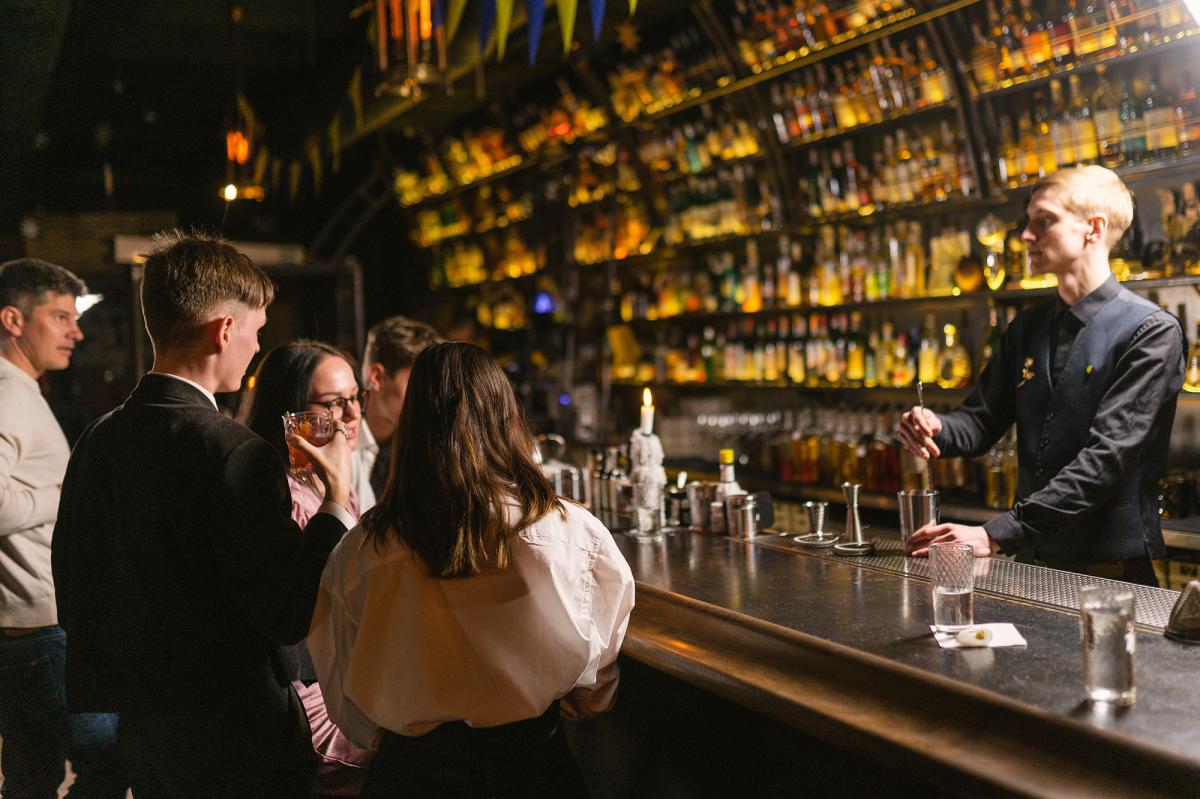
The council, which governs one of Europe’s most vibrant nightlife districts, seeks to ban what it terms “vertical drinking” in an effort to reduce public intoxication, according to Brandon Cruz writing in New York Post. Under the draft proposal, pubs and bars would only receive licenses if they provide seating and serve alcohol and food exclusively through table service.

Sadiq Khan, London’s mayor, has emerged as a prominent critic of the plan, warning it could devastate businesses already struggling in the current economic climate.

Restrictive and anti-growth policies aren’t working, Khan stated, pledging to deploy his authority as an elected official to counter the measure with local policies designed to safeguard London’s nightlife and hospitality sectors.

The proposed licensing restrictions would mandate that establishments eliminate “open bar space” in favor of waiter and waitress service only, a shift Westminster officials claim would “discourage excessive drunkenness” and promote more controlled drinking environments.

Westminster City Council defended the initiative as part of a broader effort to promote “a well-managed and varied day, evening and night-time” economy that balances growth with public safety while “protecting the essence of our city.”

The irony is not lost on industry observers: Westminster hosts Britain’s largest concentration of licensed premises and the nation’s most substantial evening economy, with venues generating approximately $5 billion annually and providing employment for some 80,000 London residents.

The borough encompasses legendary entertainment venues including the London Palladium, the Royal Opera House, and the Comedy Store, all of which rely on the surrounding hospitality infrastructure.

Michael Kill, chief executive of the Night Time Industries Association, warned the policy would strike at the heart of British social tradition.

“Standing in pubs has always been part of Britain’s pub culture. It’s how people meet friends, watch live sports,” Kill explained, cautioning that mandating additional seating while reducing standing capacity would drive up operational costs, limit business flexibility, and fundamentally transform venue character at a time when establishments face severe financial strain.

Industry experts predict the restrictions could trigger significant revenue losses and job cuts across Westminster’s hospitality sector if enacted, marking another blow to businesses still recovering from pandemic-era closures and ongoing economic headwinds.

With information from New York Post

Share:
Dimitris Papafotis
Dimitris Papafotis

Dimitris Papafotis is the editor-in-chief of NewsFire.GR. He was born and raised in Athens. He studied at the Journalism Workshop (1991-1993). He currently lives in Pyrgos, Ilia, where he has been active in radio and various newspapers, while also maintaining his personal blog, Papafotis.gr.

The council, which governs one of Europe’s most vibrant nightlife districts, seeks to ban what it terms “vertical drinking” in an effort to reduce public intoxication, according to Brandon Cruz writing in New York Post. Under the draft proposal, pubs and bars would only receive licenses if they provide seating and serve alcohol and food exclusively through table service.

Sadiq Khan, London’s mayor, has emerged as a prominent critic of the plan, warning it could devastate businesses already struggling in the current economic climate.

Restrictive and anti-growth policies aren’t working, Khan stated, pledging to deploy his authority as an elected official to counter the measure with local policies designed to safeguard London’s nightlife and hospitality sectors.

The proposed licensing restrictions would mandate that establishments eliminate “open bar space” in favor of waiter and waitress service only, a shift Westminster officials claim would “discourage excessive drunkenness” and promote more controlled drinking environments.

Westminster City Council defended the initiative as part of a broader effort to promote “a well-managed and varied day, evening and night-time” economy that balances growth with public safety while “protecting the essence of our city.”

The irony is not lost on industry observers: Westminster hosts Britain’s largest concentration of licensed premises and the nation’s most substantial evening economy, with venues generating approximately $5 billion annually and providing employment for some 80,000 London residents.

The borough encompasses legendary entertainment venues including the London Palladium, the Royal Opera House, and the Comedy Store, all of which rely on the surrounding hospitality infrastructure.

Michael Kill, chief executive of the Night Time Industries Association, warned the policy would strike at the heart of British social tradition.

“Standing in pubs has always been part of Britain’s pub culture. It’s how people meet friends, watch live sports,” Kill explained, cautioning that mandating additional seating while reducing standing capacity would drive up operational costs, limit business flexibility, and fundamentally transform venue character at a time when establishments face severe financial strain.

Industry experts predict the restrictions could trigger significant revenue losses and job cuts across Westminster’s hospitality sector if enacted, marking another blow to businesses still recovering from pandemic-era closures and ongoing economic headwinds.

With information from New York Post

