
Italy’s Nuclear Comeback: A Matter of Sovereignty
Italy's parliament is working on legislation to reverse nearly 40 years of anti-nuclear policy and restore nuclear power under Prime Minister Giorgia Meloni's government.
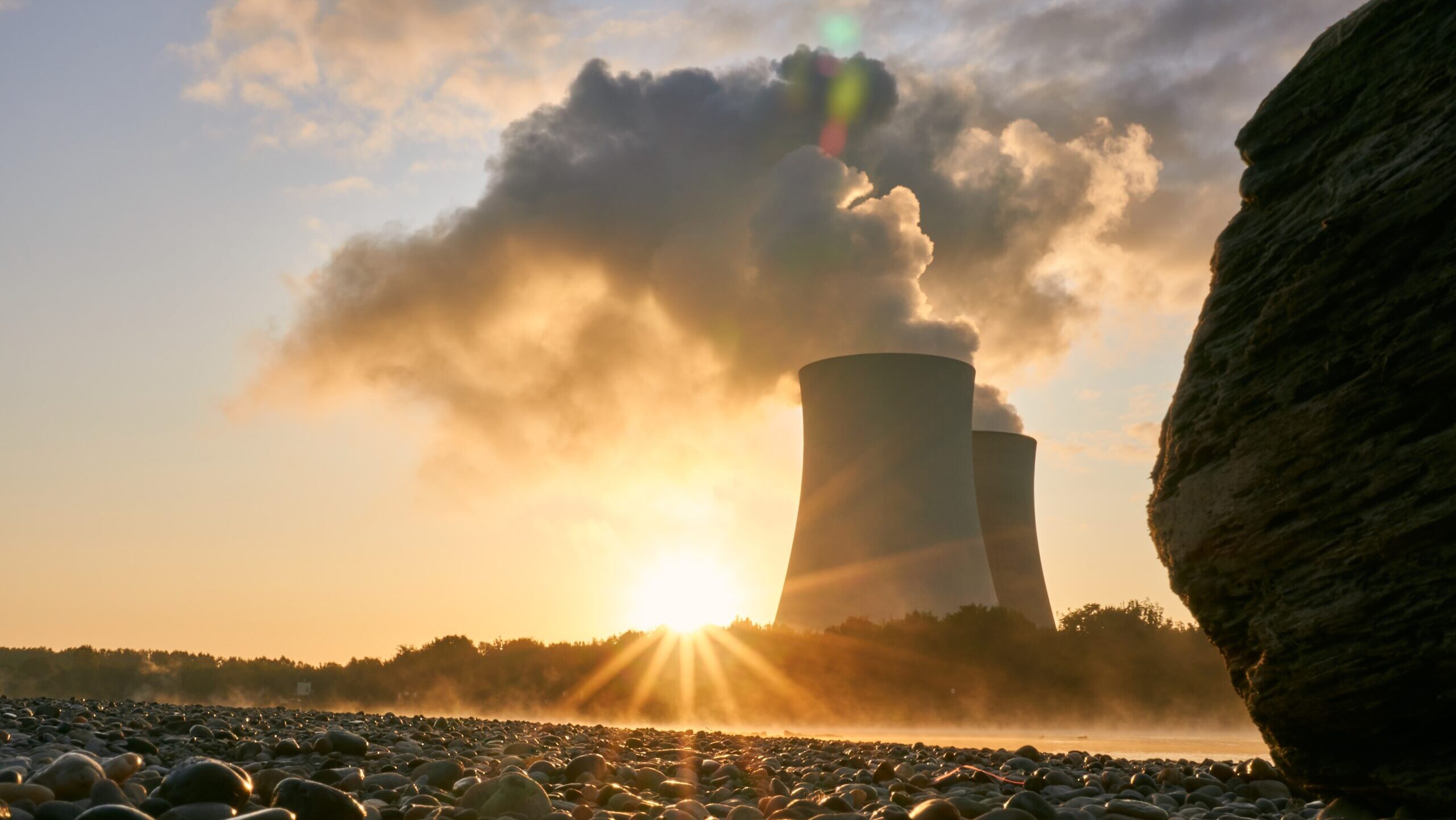

The Italian parliament has begun work on a comprehensive reform package designed to rebuild the legal and regulatory architecture necessary for developing new nuclear power capacity. The initiative marks a dramatic shift for a nation that has stood as one of Europe’s most prominent examples of abandonment of civil nuclear energy since the 1980s.
Strategic Energy Security Drive
Rome’s decision to embrace nuclear power reflects growing concerns over energy independence and the competitiveness of Italian industry. The Meloni administration views nuclear energy as essential to guaranteeing stable electricity supply and reducing reliance on imported fossil fuels, while meeting climate commitments without compromising economic growth.
Italy’s previous rejection of nuclear power followed the 1987 referendum held in the wake of the Chernobyl disaster, which effectively shut down the country’s nuclear programme. A second referendum in 2011, triggered by the Fukushima incident, reaffirmed public opposition and prevented any revival attempts under previous governments.
Conservative Leadership Breaks With Past
The current conservative government has made energy sovereignty a cornerstone of its economic agenda. Officials argue that modern reactor technology, including small modular reactors and fourth-generation designs, addresses the safety concerns that drove earlier public opposition.
The legislative framework under consideration would establish new regulatory bodies, safety protocols, and investment mechanisms to attract both domestic and international capital into nuclear infrastructure projects. The government anticipates that restarting nuclear development will take years of planning and construction before new facilities become operational.
Aligning With European Nuclear Renaissance
Italy’s pivot aligns with broader momentum across Europe, where multiple countries have either maintained or expanded nuclear programmes in recent years. France, the continent’s largest nuclear power producer, has committed to building new reactors, while Poland, the Czech Republic, and other nations have announced similar plans.
The European Union has also shifted its stance, including nuclear energy in its taxonomy of sustainable investments—a decision that provides crucial financial and political backing for member states pursuing atomic power.
Industry observers note that Italy’s industrial base and engineering expertise position the country well to re-enter the nuclear sector, though significant challenges remain in public acceptance, site selection, and workforce training. The Meloni government appears determined to overcome these obstacles as part of its broader vision for national energy autonomy.
With information from The European Conservative





