
Mamdani’s Netanyahu Arrest Pledge Aims to Delegitimize West
New York City mayoral candidate Zohran Mamdani conceded he lacks authority to arrest visiting foreign leaders despite campaigning for eighteen months on a promise to detain Israeli Prime Minister Benjamin Netanyahu.
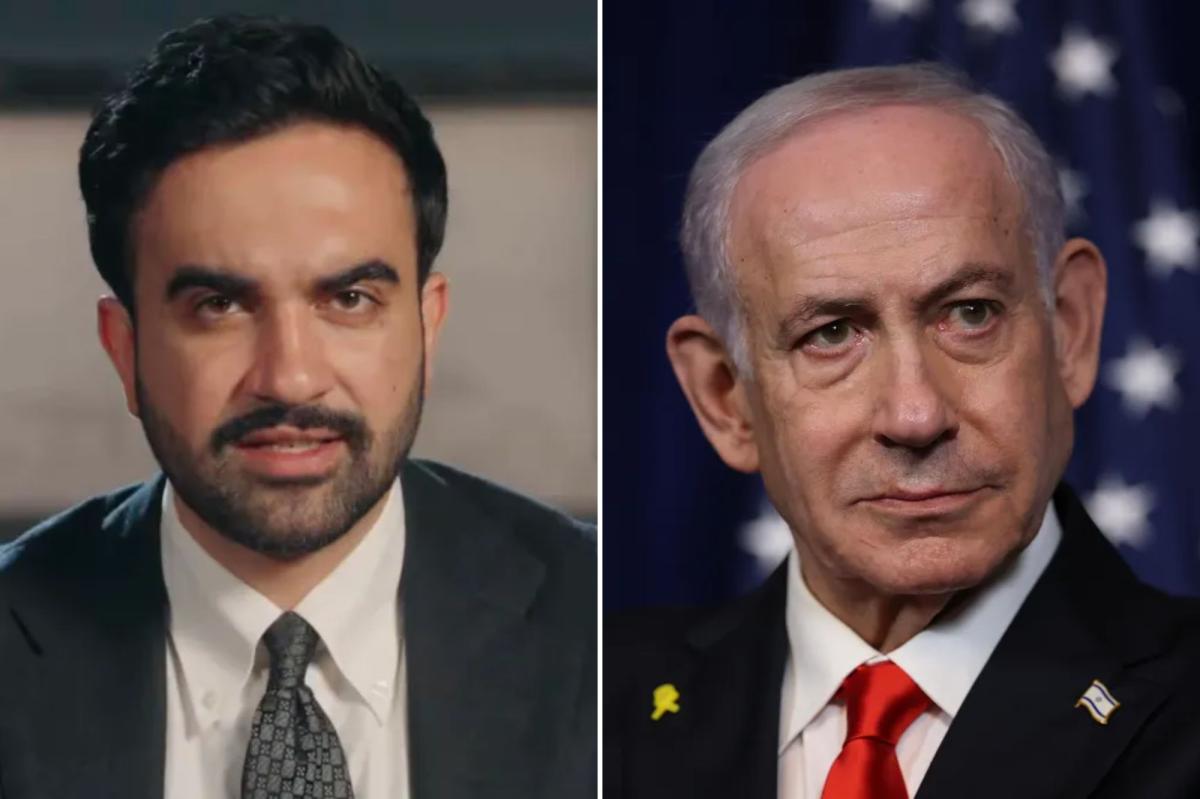

Zohran Mamdani admitted this week that he cannot follow through on his pledge to detain Israeli Prime Minister Benjamin Netanyahu based on an International Criminal Court warrant, according to Zineb Riboua writing in New York Post. The admission came via video on Tuesday night, following an exhaustive legal review that found no independent municipal authority to enforce ICC warrants.
The timing of Mamdani’s reversal is telling. It arrived just days after President Donald Trump decisively closed the door on any such possibility, declaring that Netanyahu would not face arrest in the United States under any circumstances. Trump further noted that Iranian leadership, responsible for that nation’s current crisis, would be more appropriate candidates for detention.
But as Riboua argues in New York Post, this episode represents far more than a broken campaign promise. It exposes the ideological foundation driving Mamdani’s anti-Israel activism: Third Worldism, a Cold War-era framework that portrays global poverty as primarily the result of Western-dominated international order rather than the domestic failures of developing nations.
The Ideology Behind the Promise
Third Worldism emerged in the late 1950s and reframes terrorist organizations as liberation movements worthy of support specifically because they oppose American-led global structures. Within this worldview, Israel occupies a uniquely villainous position as an alleged settler-colonial project sustained by American power, making the Israeli-Palestinian conflict a symbol of broader anti-Western struggle.
After the Soviet Union’s 1991 collapse stripped Third Worldist movements of their military and diplomatic backing, international institutions became the new battleground. The United Nations General Assembly, Human Rights Council, and tribunals in The Hague now serve as vehicles for advancing the same political objectives through legal mechanisms. Israel has received more condemnations from the UN Human Rights Council than every other nation on Earth combined.
A Worldview Abandoned by Its Supposed Beneficiaries
The profound irony, as Riboua notes, is that many governments Mamdani claims to champion have abandoned this ideology entirely.
India, once a founding architect of the Non-Aligned Movement and Third World solidarity, now counts Israel among its closest strategic partners across defense, intelligence, agriculture, cybersecurity and advanced technology. The relationship is built on national interest, not revolutionary theory.
Similar transformations have occurred throughout the Middle East. The United Arab Emirates and Bahrain normalized relations with Israel through the Abraham Accords. Morocco joined in 2020, expanding cooperation in defense, intelligence, agriculture and water technology. These governments determined that technological partnership, economic integration and security cooperation better serve their populations than perpetual ideological confrontation with the West.
Why the ICC Warrant Matters for America
Secretary of State Marco Rubio has taken aggressive action against the International Criminal Court, sanctioning ICC judges and prosecutors while blocking their American assets. Mamdani’s failed crusade demonstrates why such measures deserve support.
The ICC asserts jurisdiction over nationals of countries that never joined the court, including the United States. This means the tribunal claims authority over Americans and their allies without constitutional consent. The same principle used to target Netanyahu could justify arresting American leaders during overseas travel.
Furthermore, the Netanyahu warrant establishes a precedent for judging democratic governments at war under standards that override their domestic institutions. Israel maintains military courts, legal advisers and a Supreme Court. A tribunal that deems these insufficient will inevitably reach identical conclusions about American judicial systems. The framework could easily be weaponized against Trump, Rubio or any prominent American leader in future conflicts.
Perhaps most concerning, the ICC requires no American recognition to influence American politics. Advocacy networks, pension funds and municipal governments increasingly adopt its judgments as binding standards, allowing international legal claims to migrate into domestic policy through universities, local governments and elected officials who share Mamdani’s Third Worldist perspective.
The candidate’s belated admission reveals both the emptiness of his signature campaign promise and the outdated ideology driving it — a worldview increasingly rejected by the very nations it claims to represent, yet still dangerously influential among certain American political factions.
With information from New York Post





