
Church of England Defends £100M Slavery Reparations Fund
The Church of England is defending its £100 million slavery reparations programme despite parish closures, calling it a moral duty that critics denounce as a vanity project.
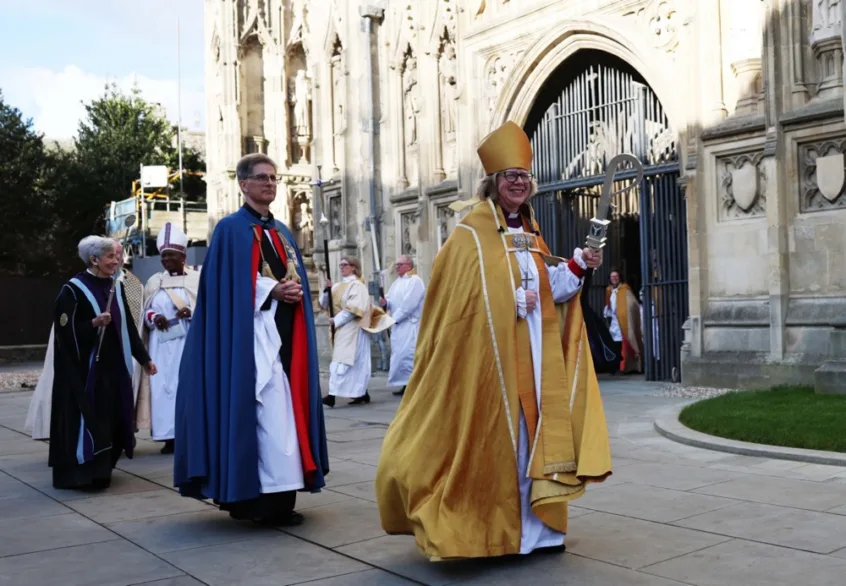


According to Brussels Signal, the Church Commissioners for England, which oversees the Church’s substantial endowment fund, launched the nine-year programme in 2023 following research into predecessor organisations including Queen Anne’s Bounty and their connections to the transatlantic slave trade, which Britain ended in 1807.
The Commissioners have characterised themselves as outraged by these historical links and their purported continuing impact on communities today. The £100 million — equivalent to €117 million — will fund impact investments, grants, research initiatives and engagement projects aimed at populations described as affected by enslavement.
A spokesperson for the Church Commissioners defended the decision, stating that as a 320-year-old Christian endowment fund operating in perpetuity, the institution has established a new investment fund to support healing, justice and repair. The spokesperson emphasised what they called the moral imperative for a responsible Christian investor to address the issue.
The programme has triggered sharp pushback from Conservative MPs and peers, who have branded it a legally questionable vanity project. Critics argue the funds would be far better deployed supporting struggling parishes confronting closures and enormous maintenance backlogs across England.
Policy Exchange, a respected think tank, dismissed the plans as poorly justified and historically uninformed. Parishioners and commentators have questioned the wisdom of prioritising overseas or historical redress programmes while churches at home face existential financial pressures.
Church officials have maintained that the £100 million does not come directly from parish budgets but rather from the broader endowment fund. Early discussions had explored scaling the initiative towards a £1 billion (€1.17 billion) impact through co-investment schemes, though the core commitment remains at £100 million.
The Church of England’s move fits within a broader Western institutional pattern stretching back to the early 2000s. Governments, churches, corporations and cultural bodies have issued a cascade of public apologies, financial commitments and symbolic reparations for historical episodes including the transatlantic slave trade, colonialism, indigenous residential schools, wartime internments and other events from centuries past.
Notable examples include Tony Blair’s 2007 statement on the slave trade, multiple papal apologies, corporate funds established by banks and insurers with historical slavery connections, and national truth-and-reconciliation processes in Canada and Australia.
Sceptics contend these actions frequently serve contemporary reputational or political objectives rather than genuine historical reckoning. They note that such initiatives often emerge amid institutional pressures — declining church attendance, public funding debates, or reputation crises — while diverting attention and resources from urgent present-day challenges facing the institutions themselves and the communities they ostensibly serve.
With information from Brussels Signal





