Necessary Cookies

Required for the site to function. Cannot be disabled.

Analytics Cookies

Help us understand how visitors interact with our site (Google Analytics via GTM).

Marketing Cookies

Used to track visitors and deliver personalised advertisements.

We use cookies to enhance your browsing experience and analyse site traffic. By clicking Accept All, you consent to our use of cookies. Privacy Policy
NewsFire Global
Home News Europe World Christianity Culture Wars Opinion Video
Information
About Us Authors Advertising Terms & Conditions Privacy Policy Contact
R2B Media
R2B NEWSFIRE.GR PAPAFOTIS.GR THRACTION HELLENIC CONSERVATIVES RIGHT2THEBONE YT
News Europe

150,000 Illegal Entries Into Greece in Just Three Years

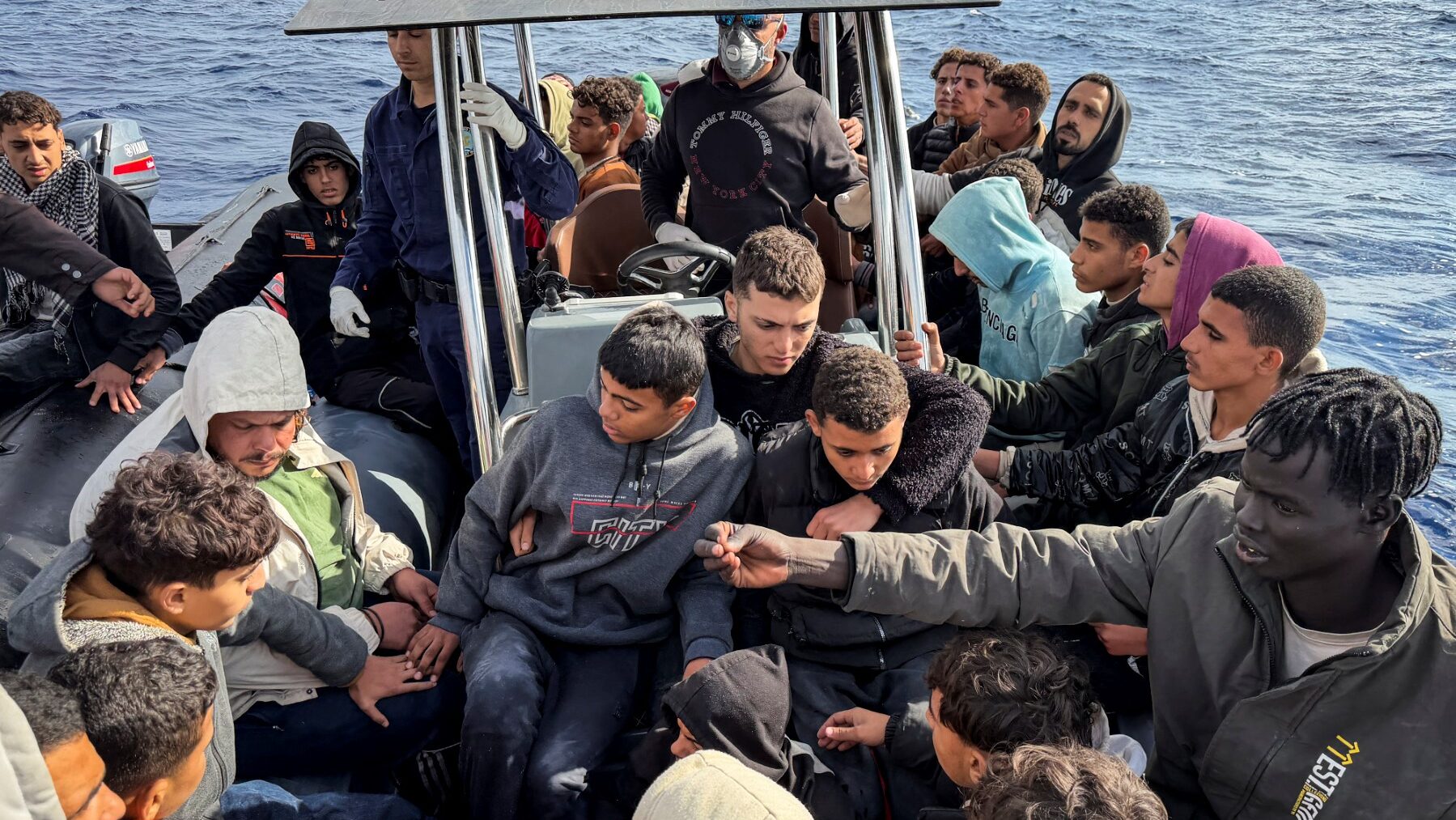
Crete is experiencing a surge in illegal migration that is straining resources and raising security concerns on the Greek tourist island, authorities report.

Dimitris Papafotis
Dimitris Papafotis Editor in Chief
JULY 14, 2026 AT 10:48 AM

Greece continues to grapple with a major illegal mass migration crisis, as The European Conservative reports, with tens of thousands of individuals—predominantly military-age Muslim men—from the Middle East, South Asia, and Africa entering the country unlawfully each year through both land and maritime routes.

The situation on Crete marks a troubling new development in Greece’s ongoing border security challenges. The island, which has traditionally served as a major tourism hub for European visitors, is now confronting the practical and social consequences of increased illegal entries.

Greek authorities have documented consistent patterns of illegal crossings, with the majority of those entering the country fitting a specific demographic profile. The arrivals represent a continuing challenge for Greek border enforcement and migration management systems, which have been under sustained pressure for several years.

The expansion of illegal migration routes to include Crete suggests that smuggling networks are diversifying their approaches and targeting new entry points into European Union territory. This geographic spread complicates enforcement efforts and places additional strain on local communities that may lack the infrastructure to manage sudden population influxes.

The situation underscores the broader migration pressures facing Greece as a frontline state in Europe’s ongoing border security crisis. Despite various EU-level initiatives and bilateral agreements, the flow of illegal entrants continues to present significant challenges for Greek security services and local administrations.

With information from The European Conservative

Share:
Dimitris Papafotis
Dimitris Papafotis

Dimitris Papafotis is the editor-in-chief of NewsFire.GR. He was born and raised in Athens. He studied at the Journalism Workshop (1991-1993). He currently lives in Pyrgos, Ilia, where he has been active in radio and various newspapers, while also maintaining his personal blog, Papafotis.gr.

Greece continues to grapple with a major illegal mass migration crisis, as The European Conservative reports, with tens of thousands of individuals—predominantly military-age Muslim men—from the Middle East, South Asia, and Africa entering the country unlawfully each year through both land and maritime routes.

The situation on Crete marks a troubling new development in Greece’s ongoing border security challenges. The island, which has traditionally served as a major tourism hub for European visitors, is now confronting the practical and social consequences of increased illegal entries.

Greek authorities have documented consistent patterns of illegal crossings, with the majority of those entering the country fitting a specific demographic profile. The arrivals represent a continuing challenge for Greek border enforcement and migration management systems, which have been under sustained pressure for several years.

The expansion of illegal migration routes to include Crete suggests that smuggling networks are diversifying their approaches and targeting new entry points into European Union territory. This geographic spread complicates enforcement efforts and places additional strain on local communities that may lack the infrastructure to manage sudden population influxes.

The situation underscores the broader migration pressures facing Greece as a frontline state in Europe’s ongoing border security crisis. Despite various EU-level initiatives and bilateral agreements, the flow of illegal entrants continues to present significant challenges for Greek security services and local administrations.

With information from The European Conservative