
Ukrainian Draft-Age Men Now Majority of Germany’s 1.4M Refugees
Germany now hosts over 1.3 million Ukrainian refugees, with 60 percent of recent arrivals being military-age men following Ukraine's relaxation of exit restrictions for males aged 18-22.
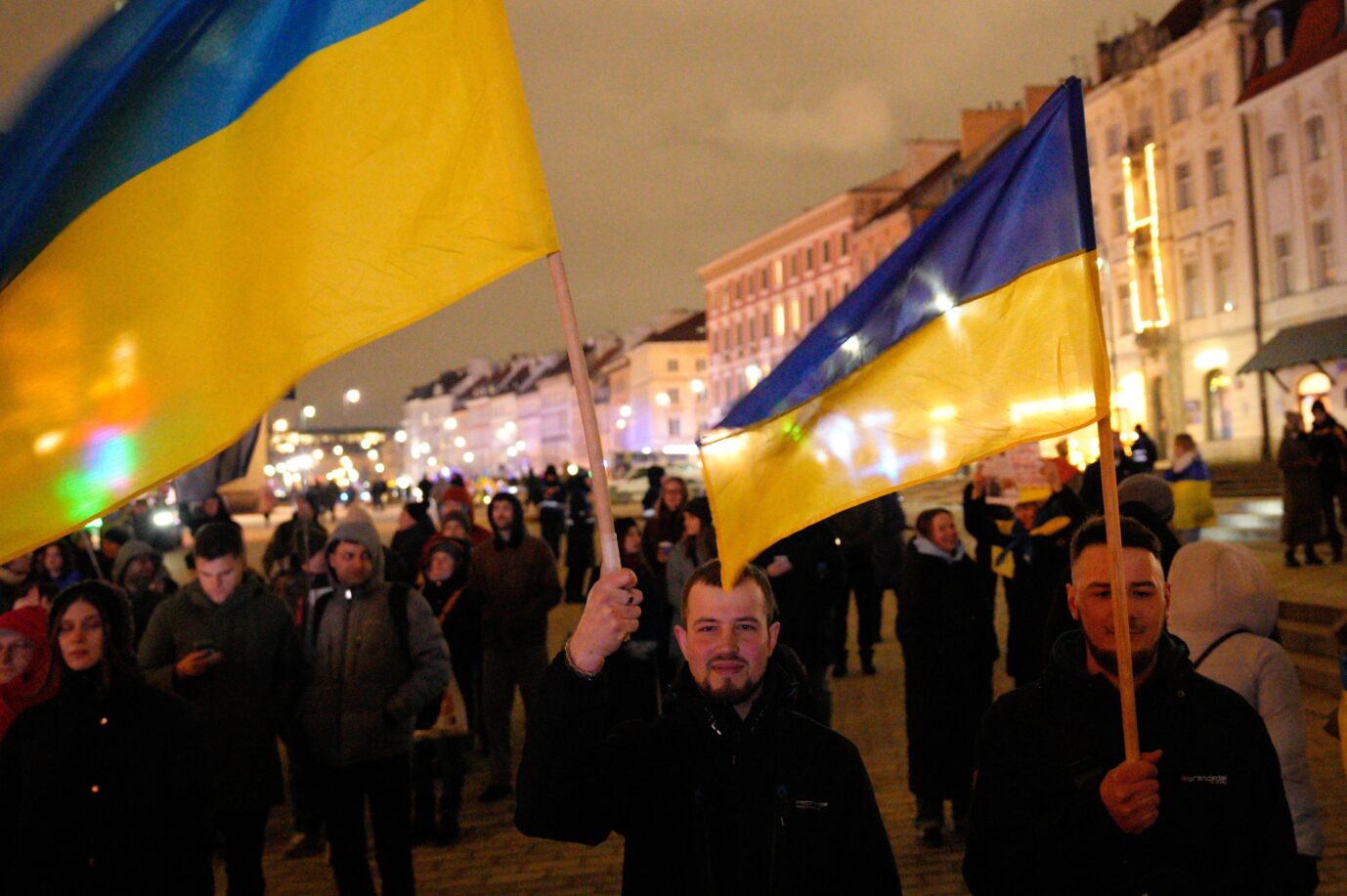

According to Junge Freiheit, Germany now hosts 1,348,258 Ukrainian citizens who arrived in connection with the war that began in 2022. This represents an increase of nearly 100,000 compared to one year ago.
The data reveals a significant demographic shift in the refugee population. Currently, 355,745 Ukrainian men between the ages of 18 and 63 are residing in Germany, marking an increase of almost 60,000 compared to 2025. This means that 60 percent of all new arrivals belong to the group that could theoretically be drafted for military service in the Eastern European country.
Relaxed Exit Ban Enables Male Flight
The surge in military-age male refugees appears to be linked to a relaxation of Ukraine’s exit ban that took effect at the end of August 2025. Since then, men of military age between 18 and 22 years have been permitted to leave Ukraine.
Germany is also receiving secondary migration from Poland, where numerous Ukrainian refugees are relocating after that country significantly reduced social benefits for refugees, as Junge Freiheit previously reported.
Demographic Composition Shifts Dramatically
The current wave stands in stark contrast to the early phase of the war, when primarily women with children fled to Germany. At that time, single parents and their children accounted for 40 percent of Ukrainian refugees, five times higher than in the general population.
Interior Minister Proposes Policy Change
Federal Interior Minister Alexander Dobrindt of the CSU called for an end to blanket protection for military-age Ukrainian men during an EU interior ministers meeting last week. He argued against automatically granting them protection under the so-called Mass Influx Directive.
If his proposal is implemented, affected men would be required to apply for asylum through standard procedures. However, given Germany’s current asylum practices, this procedural change would likely not diminish their chances of remaining in the country.
With information from Junge Freiheit





