
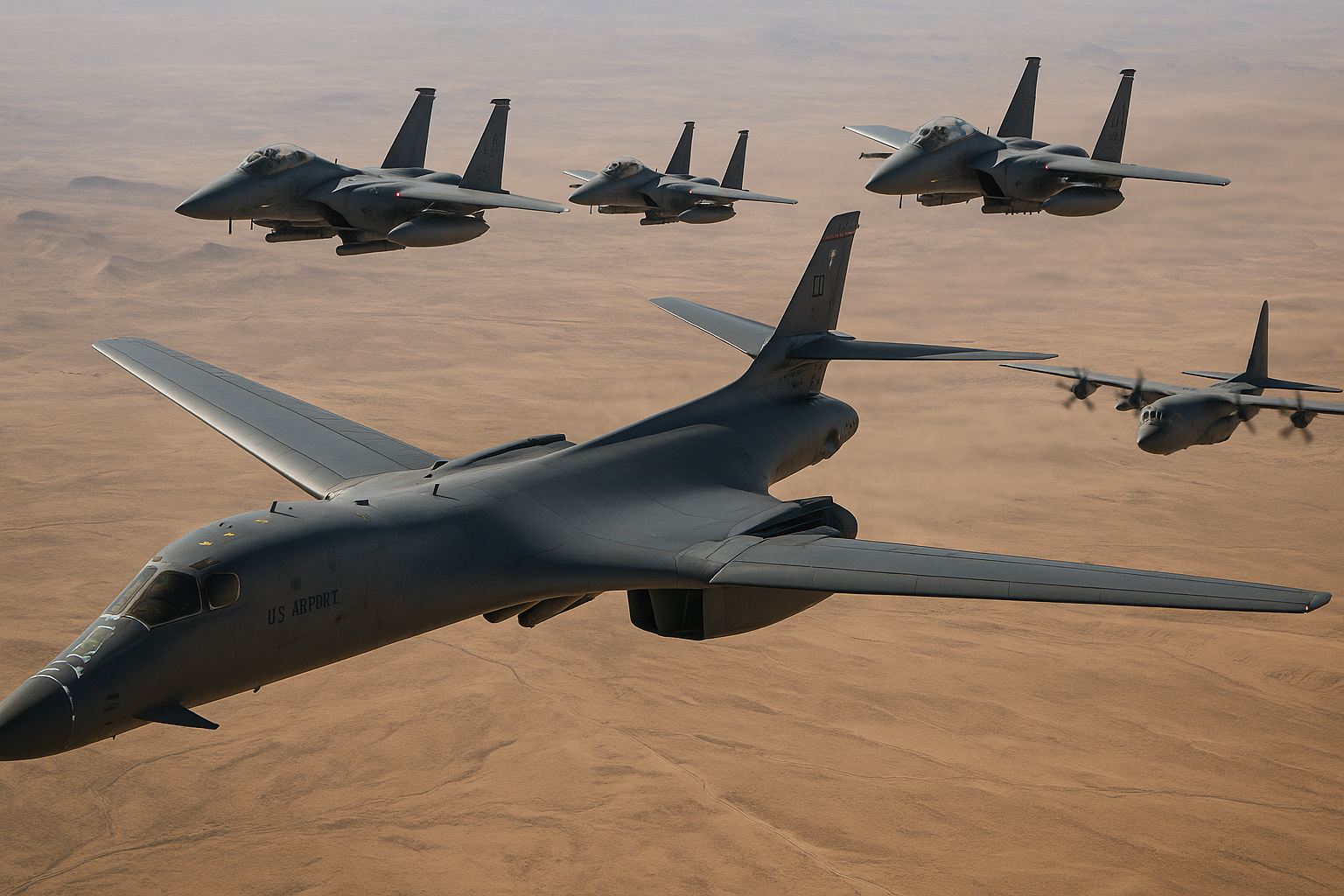
U.S. Deploys Massive Aerial Firepower to Middle East
Turkey is pursuing aggressive infrastructure development in occupied Northern Cyprus to cement its political and economic dominance over the internationally unrecognized territory.

The Turkish government has launched a series of major construction projects in the Turkish Pseudostate in Northern Cyprus, signaling Ankara’s determination to expand its foothold on the divided island despite international opposition to the occupation.
Infrastructure Push Reinforces Turkish Control
Turkey’s strategy centers on embedding its presence through the construction of critical infrastructure that ties the occupied zone more closely to the mainland. These projects include transportation networks, energy facilities, and administrative buildings designed to project permanence and legitimacy onto the unrecognized regime.
Analysts view the construction campaign as part of a broader effort by President Recep Tayyip Erdoğan to strengthen Turkey’s geopolitical position in the Eastern Mediterranean while consolidating support among Turkish settlers and local collaborators in the occupied territory.
Questions Over Erdoğan’s Health Persist
The report also addresses ongoing speculation regarding Erdoğan’s health status, a subject that has generated considerable attention both within Turkey and internationally. While official statements from Ankara have sought to downplay concerns, observers continue to monitor the Turkish president’s public appearances and schedule for signs of physical decline.
Erdoğan’s health has become a matter of strategic importance given his central role in directing Turkish foreign policy, including the occupation of Northern Cyprus and Turkey’s broader regional ambitions.
International Community Remains Opposed
The Turkish Pseudostate in Northern Cyprus remains unrecognized by any nation except Turkey itself. The international community continues to regard the Republic of Cyprus as the sole legitimate government of the island, with the northern occupation viewed as illegal under international law.
Despite this isolation, Turkey has steadily increased its investment in the occupied zone, treating it as an extension of Turkish sovereign territory and using it as a platform for energy exploration activities in disputed Mediterranean waters.
With information from Telegram @OSINTLive





