Necessary Cookies

Required for the site to function. Cannot be disabled.

Analytics Cookies

Help us understand how visitors interact with our site (Google Analytics via GTM).

Marketing Cookies

Used to track visitors and deliver personalised advertisements.

We use cookies to enhance your browsing experience and analyse site traffic. By clicking Accept All, you consent to our use of cookies. Privacy Policy
NewsFire Global
Home News Europe World Christianity Culture Wars Opinion
Information
About Us Authors Advertising Terms & Conditions Privacy Policy Contact
R2B Media
R2B NEWSFIRE.GR PAPAFOTIS.GR THRACTION HELLENIC CONSERVATIVES RIGHT2THEBONE YT
News Europe

The DTIK Reception and “Parallel Economic Structures” in Thrace

The DTİK’s reception in Komotini signals Turkey’s strategic push to establish parallel economic networks in Thrace, leveraging minority youth while Greece’s muted response raises national security concerns.
Nikos Arvanitis
Nikos Arvanitis Staff Writer
APRIL 29, 2026 AT 6:40 PM Updated: May 21, 2026 1:53 PM

Levent Sadik’s “Declaration of Will” and the Backstage of DTİK’s Reception in Komotini

Written by Nikos Arvanitis

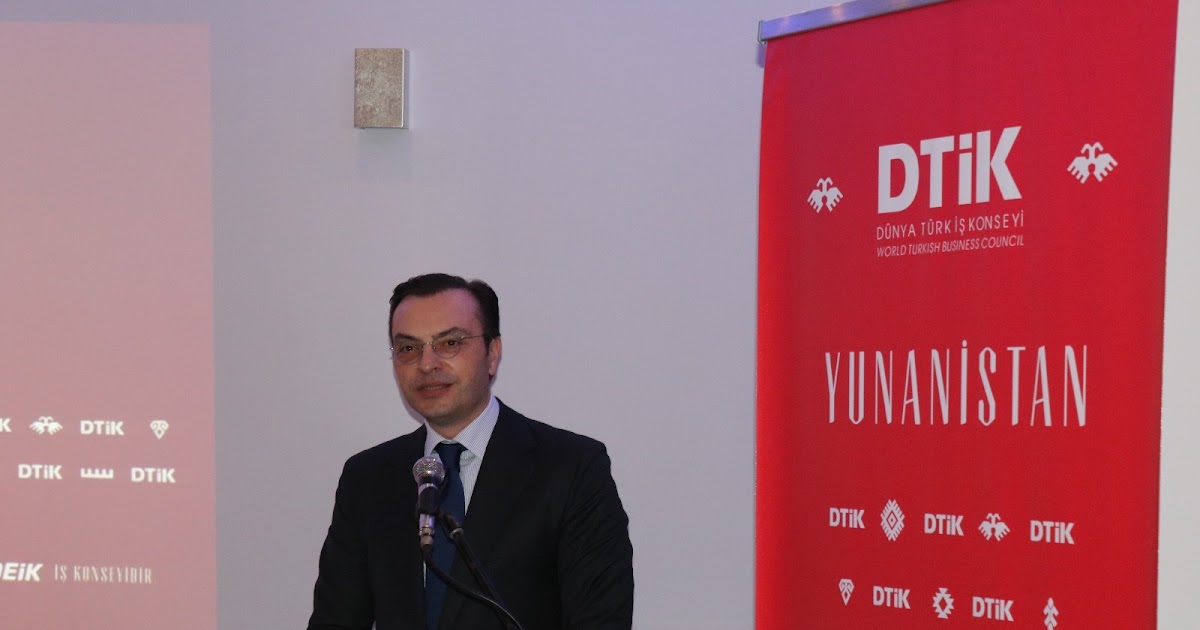
In a move with clear geopolitical symbolism and a strategic focus on the youth of the minority, the World Turkish Business Council (DTİK), in close cooperation with the Turkish Consulate of Komotini, organized an extensive reception on Thursday, April 23, 2026, at the “Diamond” restaurant in Komotini. The event, held on the occasion of the “National Sovereignty and Children’s Day,” served as a platform for consolidating parallel economic structures within Greek Thrace.

The Event Record: A “Staged” Declaration of Power

The reception hall gathered the entire pro-consulate and pro-minority hierarchy, creating a “recruitment” atmosphere aimed at the main audience: selected young people, students, and representatives of the business world from Rhodope and Xanthi.

At the central table sat the “pillars” of the system: Consul General Aykut Ünal, Levent Sadik Ahmet (Chairman of the Balkan Representatives Council of DTİK), the President of DEB Çiğdem Asafoğlu, and the President of BAKEŞ Dr. Huseyin Bostancı.

The “Guidance” Panel: From Tradition to the Future

The event included a video presentation of DTİK’s activities and culminated with a panel discussion titled “From Tradition to the Future: New Generation diaspora and Turkey’s Global Power”. Coordinated by Adem Yavuz (DEİK), the speakers framed the concept of the “minority economy”:

  • Levent Sadik Ahmet:
    He called on the youth for discipline, learning foreign languages, and broadening their vision, promising that entrepreneurship is the path to the minority’s “visibility.”

  • Av. Gizem Besim (BTAYTD):
    She linked the economic crisis and migration to the need for a “strong minority economy,” emphasizing the role of women.

  • Eslem Ali Çavuş (GAT):
    She conveyed the youth’s frustration over limited job opportunities in Thrace, calling for more support from minority structures.

The Manifesto Speeches:

  • Adem Yavuz: He described April 23 as the day a nation “builds its future,” defining Thrace as a vital part of Turkey’s “geography of the heart”.

  • Levent Sadik Ahmet: In a speech that made an impression, he called the reception a “declaration of will”. With the tone of a regional regulator, he stated: “Today, it is not enough just to protect our identity. We must create value and be more visible in every aspect of life.”

  • Aykut Ünal:
    The Turkish Consul used Atatürk’s example to inspire “determination” in the youth, stressing that success requires struggle and commitment to the goals set by the Consulate.

Analysis & Assessments: Economic Neomercantilism as a “Trojan Horse”

Beyond the descriptive part, this particular event reveals the transformation of Turkish policy in Thrace into a stage of rigid economic control and the creation of parallel structures.

1. Formation of Parallel Structures
The activities of DTİK and TİAD are not about free trade. They involve building a parallel “Chamber of Commerce” aiming to replace official Greek institutions. The objective is for young scientists and entrepreneurs of the minority not to seek their fortune in the Greek market but to be trapped in a closed economic circle controlled by the Consulate, under the umbrella of Turkey’s “Global Power.”

2. Hostage to the Primary Sector Levent Sadik uses his economic clout—with the support of TİKA—to turn farmers into hostages. Promising product absorption (tobacco, cotton, cherries), he establishes a system of neomercantilism where political submission is a prerequisite for economic survival.

3. “Gray Zones” and Judicial Silence
The aggressive move to create “ethnically based” cooperatives aims to form “gray zones” within Greek territory. Whoever dares to resist or report these practices (such as Amb. Dede) faces judicial terrorism by the Sadik system with exhausting lawsuits—a tactic that unfortunately seems to be adopted by politicians like MP Ilhan Ahmet against journalists.

4. Athens’ Passive Stance
The hesitation of the Greek State raises concerns. At a time when the Turkish deep state invests in youth and the economy to “autonomize” Thrace, Athens remains a mere observer. The need for institutional fortification and genuine development that will break the bonds of consulate control is now a matter of national security.

Global Networking and the “Army” of 1,100 Members

A particularly striking point was Adem Yavuz’s reference to the scope of DTİK, which now extends to 90 countries and 216 cities, counting more than 1,100 members.
The emphasis that youth constitute the “central core” of this global power reveals Ankara’s plan to integrate young scientists and professionals of Thrace into a supranational network of Turkish economic power. In reality, a model is being promoted where Greek minority citizens are treated as a “new generation diaspora,” aiming at their complete detachment from the domestic economic reality and their tethering to the pull of Turkish foreign policy.

Editor’s Comment: The “Declaration of Will” and Athens’ Silence

The reception at Komotini’s “Diamond” was not a simple celebration of Children’s Day but a strategic operation of “ground recognition” and recruitment of new consciences. When Levent Sadik talks about a “declaration of will” and the Turkish Consul references Atatürk’s “struggle,” they are not referring to business progress but to the construction of a state within a state.

It is now clear that Ankara has moved from behind-the-scenes influence to pure economic neomercantilism.
Using DTİK as a “battering ram,” it seeks to trap minority youth and the primary sector within a closed system of parallel structures. The goal? A Thrace where the farmer, scientist, and entrepreneur do not relate to Greek institutions and chambers, but to the “blacklists” and “representative councils” of the Consulate.

However, the issue does not concern Ankara alone. It concerns the deafening silence and awkwardness of Athens.
When parallel structures of health, economy, and justice (through exhausting Sadik-type lawsuits) become everyday life in Rhodope, the Greek State cannot remain a mere bystander.

As long as the state leaves gaps in development and citizen protection, the consulate deep state will fill them with “promises” of product absorption and “geographies of the heart.” Thrace does not need neomercantilist “protectors” but institutional fortification and a genuine Greek presence. Anything less is merely acceptance of a slow-moving autonomization already underway.

Source: TAXIARCHISpress

Share:
Nikos Arvanitis
Nikos Arvanitis

Nikos Arvanitis is a journalist and analyst, accredited diplomatic correspondent in Belgrade. He has been monitoring developments in Southeast Europe since 1991, manages the Thracian news website KomotiniPress, and also contributes articles to ViaDiplomacy.

Levent Sadik’s “Declaration of Will” and the Backstage of DTİK’s Reception in Komotini

Written by Nikos Arvanitis

In a move with clear geopolitical symbolism and a strategic focus on the youth of the minority, the World Turkish Business Council (DTİK), in close cooperation with the Turkish Consulate of Komotini, organized an extensive reception on Thursday, April 23, 2026, at the “Diamond” restaurant in Komotini. The event, held on the occasion of the “National Sovereignty and Children’s Day,” served as a platform for consolidating parallel economic structures within Greek Thrace.

The Event Record: A “Staged” Declaration of Power

The reception hall gathered the entire pro-consulate and pro-minority hierarchy, creating a “recruitment” atmosphere aimed at the main audience: selected young people, students, and representatives of the business world from Rhodope and Xanthi.

At the central table sat the “pillars” of the system: Consul General Aykut Ünal, Levent Sadik Ahmet (Chairman of the Balkan Representatives Council of DTİK), the President of DEB Çiğdem Asafoğlu, and the President of BAKEŞ Dr. Huseyin Bostancı.

The “Guidance” Panel: From Tradition to the Future

The event included a video presentation of DTİK’s activities and culminated with a panel discussion titled “From Tradition to the Future: New Generation diaspora and Turkey’s Global Power”. Coordinated by Adem Yavuz (DEİK), the speakers framed the concept of the “minority economy”:

The Manifesto Speeches:

Analysis & Assessments: Economic Neomercantilism as a “Trojan Horse”

Beyond the descriptive part, this particular event reveals the transformation of Turkish policy in Thrace into a stage of rigid economic control and the creation of parallel structures.

1. Formation of Parallel Structures
The activities of DTİK and TİAD are not about free trade. They involve building a parallel “Chamber of Commerce” aiming to replace official Greek institutions. The objective is for young scientists and entrepreneurs of the minority not to seek their fortune in the Greek market but to be trapped in a closed economic circle controlled by the Consulate, under the umbrella of Turkey’s “Global Power.”

2. Hostage to the Primary Sector Levent Sadik uses his economic clout—with the support of TİKA—to turn farmers into hostages. Promising product absorption (tobacco, cotton, cherries), he establishes a system of neomercantilism where political submission is a prerequisite for economic survival.

3. “Gray Zones” and Judicial Silence
The aggressive move to create “ethnically based” cooperatives aims to form “gray zones” within Greek territory. Whoever dares to resist or report these practices (such as Amb. Dede) faces judicial terrorism by the Sadik system with exhausting lawsuits—a tactic that unfortunately seems to be adopted by politicians like MP Ilhan Ahmet against journalists.

4. Athens’ Passive Stance
The hesitation of the Greek State raises concerns. At a time when the Turkish deep state invests in youth and the economy to “autonomize” Thrace, Athens remains a mere observer. The need for institutional fortification and genuine development that will break the bonds of consulate control is now a matter of national security.

Global Networking and the “Army” of 1,100 Members

A particularly striking point was Adem Yavuz’s reference to the scope of DTİK, which now extends to 90 countries and 216 cities, counting more than 1,100 members.
The emphasis that youth constitute the “central core” of this global power reveals Ankara’s plan to integrate young scientists and professionals of Thrace into a supranational network of Turkish economic power. In reality, a model is being promoted where Greek minority citizens are treated as a “new generation diaspora,” aiming at their complete detachment from the domestic economic reality and their tethering to the pull of Turkish foreign policy.

Editor’s Comment: The “Declaration of Will” and Athens’ Silence

The reception at Komotini’s “Diamond” was not a simple celebration of Children’s Day but a strategic operation of “ground recognition” and recruitment of new consciences. When Levent Sadik talks about a “declaration of will” and the Turkish Consul references Atatürk’s “struggle,” they are not referring to business progress but to the construction of a state within a state.

It is now clear that Ankara has moved from behind-the-scenes influence to pure economic neomercantilism.
Using DTİK as a “battering ram,” it seeks to trap minority youth and the primary sector within a closed system of parallel structures. The goal? A Thrace where the farmer, scientist, and entrepreneur do not relate to Greek institutions and chambers, but to the “blacklists” and “representative councils” of the Consulate.

However, the issue does not concern Ankara alone. It concerns the deafening silence and awkwardness of Athens.
When parallel structures of health, economy, and justice (through exhausting Sadik-type lawsuits) become everyday life in Rhodope, the Greek State cannot remain a mere bystander.

As long as the state leaves gaps in development and citizen protection, the consulate deep state will fill them with “promises” of product absorption and “geographies of the heart.” Thrace does not need neomercantilist “protectors” but institutional fortification and a genuine Greek presence. Anything less is merely acceptance of a slow-moving autonomization already underway.

DTİK Reception and 'parallel economic structures' in Thrace | NEWSFIRE.GR

DTİK Reception and 'parallel economic structures' in Thrace | NEWSFIRE.GR

DTİK Reception and 'parallel economic structures' in Thrace | NEWSFIRE.GR

DTİK Reception and 'parallel economic structures' in Thrace | NEWSFIRE.GR

DTİK Reception and 'parallel economic structures' in Thrace | NEWSFIRE.GR

DTİK Reception and 'parallel economic structures' in Thrace | NEWSFIRE.GR

DTİK Reception and 'parallel economic structures' in Thrace | NEWSFIRE.GR

DTİK Reception and 'parallel economic structures' in Thrace | NEWSFIRE.GR

DTİK Reception and 'parallel economic structures' in Thrace | NEWSFIRE.GR

DTİK Reception and 'parallel economic structures' in Thrace | NEWSFIRE.GR

Source: TAXIARCHISpress