Necessary Cookies

Required for the site to function. Cannot be disabled.

Analytics Cookies

Help us understand how visitors interact with our site (Google Analytics via GTM).

Marketing Cookies

Used to track visitors and deliver personalised advertisements.

We use cookies to enhance your browsing experience and analyse site traffic. By clicking Accept All, you consent to our use of cookies. Privacy Policy
NewsFire Global
Home News Europe World Christianity Culture Wars Opinion Video
Information
About Us Authors Advertising Terms & Conditions Privacy Policy Contact
R2B Media
R2B NEWSFIRE.GR PAPAFOTIS.GR THRACTION HELLENIC CONSERVATIVES RIGHT2THEBONE YT
News Culture Wars

Taxpayer-funded trans dolls with removable genitalia for kids 4+

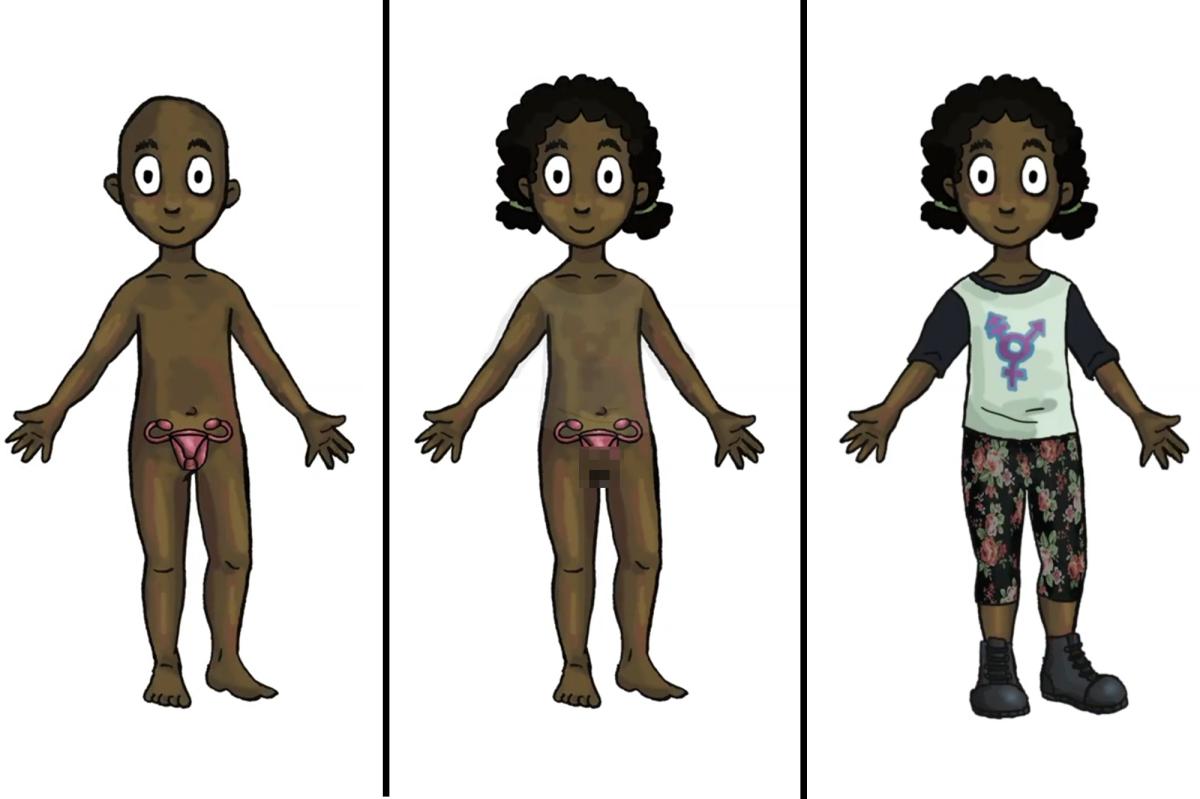
A Minnesota medical school spent six years developing paper dolls with detachable genitalia for children as young as four to teach about gender identity in classrooms this fall.
Stefanos Banos
Stefanos Banos Staff Writer
JULY 25, 2026 AT 6:45 PM

According to Gabrielle Fahmy writing in New York Post, the University of Minnesota Medical School spent more than six years developing these so-called transgender dolls, which feature gender-neutral names such as Sam, Rory, Avery, and Parker. Each doll comes equipped with removable internal and external genitalia alongside over one hundred interchangeable clothing items, accessories, and hairstyles.

The stated aim is to enable children to understand the various possibilities for who they can become, according to a therapist affiliated with the University of Minnesota Medical School. The institution’s Institute for Sexual and Gender Health conducted research over six years that included compensation ranging from twenty to sixty dollars for families labeled as trans and gender diverse to participate in sessions where children and parents engaged with the dolls while discussing gender and bodies in group settings.

Prototype versions of these dolls were displayed at a conference in 2024. One doll named Sam was shown in what appeared to be a gender transition phase, with a detachable penis positioned to the side and a dress along with girls’ underwear placed nearby.

Taxpayer Funding and Political Connections

The dolls, marketed under the promise to make gender fun, are being offered to teachers, school counselors, pediatricians, and mental health providers through a commercial venture called MyGender Dolls. The company website displays imagery of a boy doll wearing a dress and other dolls in various stages of what is described as sexual identity confusion.

Details remain unclear regarding whether parents or children will be permitted to purchase the dolls directly or if distribution will be limited exclusively to professionals and educational institutions. There is no public information on whether parents can opt their children out of such therapeutic play sessions.

The project originated as university research before being transformed into a commercial enterprise by two licensed psychologists who hold professorships at the medical school. The website does not disclose pricing information for the paper dolls.

Minnesota Governor Tim Walz has provided the University of Minnesota Medical School with fifteen million dollars in annual state funding, money designated to expand the institution’s research capacity and maintain its national standing. However, the school does not disclose how much of these funds flow to its Institute for Sexual and Gender Health, which operates with a total research budget of one point four million dollars according to its 2025 annual report.

Award and Criticism

Walz, who has advanced pro-transgender policies throughout Minnesota, received the institute’s inaugural Distinguished Sexual and Gender Health Champion Award in 2023, a title created specifically for him. The scandal-plagued governor was photographed smiling alongside Medical School Associate Professor Nic Rider, who co-founded MyGender Dolls and uses they/them pronouns according to the medical school website.

Rider, a psychologist specializing in children and teen transgender health, did not respond to requests for comment. Associate Professor Dianne Berg, the other co-founder and a member of the Association for the Treatment of Sex Abusers, also remained silent. However, in a now-deleted 2020 article from a university publication, Berg reportedly emphasized that genitals represented a key component of the research project.

Berg allegedly told the university’s Discovery Magazine that everyone should learn about diversity in gender identity and that physical anatomy does not determine what makes someone real. She claimed to have already begun using the dolls with her own patients aged between five and ten years old.

Additional therapists from the university medical school stated they employed the dolls to encourage children to discuss their private parts. Adjunct Assistant Professor Elizabeth Panetta boasted about exploring and brainstorming not only what bodies can do currently but what individuals want their bodies to do and look like in the future.

Medical Experts Warn of Grooming

Critics have raised alarms that these dolls risk being weaponized by adults seeking to impose ideological views on vulnerable children.

Dr. Quentin Van Meter, past president of the American College of Pediatricians, condemned the initiative as grooming. He argued that troubled children will be targeted with this tool to explain their unhappiness, noting that younger children who still believe in the Easter Bunny and Tooth Fairy lack the developmental capacity to distinguish fantasy from reality when presented with dolls featuring changeable clothing, hair, and genitals.

It’s profoundly inappropriate, Van Meter stated.

A university spokesperson claimed no public funds were utilized to support MyGender Dolls’ commercialization efforts when contacted. However, questions remain about the exact amount of taxpayer money invested in the underlying research project.

With information from New York Post

Share:
Stefanos Banos
Stefanos Banos

Stefanos Banos was born in Piraeus and is an editor at NewsFire.GR, specializing in political analysis and international relations. He graduated from the Department of Communication and Media at the University of Bremen in Germany, where he also completed his Master of Arts in Communication and Media Studies. Married to Zoi, he is a proud father of three boys.

According to Gabrielle Fahmy writing in New York Post, the University of Minnesota Medical School spent more than six years developing these so-called transgender dolls, which feature gender-neutral names such as Sam, Rory, Avery, and Parker. Each doll comes equipped with removable internal and external genitalia alongside over one hundred interchangeable clothing items, accessories, and hairstyles.

The stated aim is to enable children to understand the various possibilities for who they can become, according to a therapist affiliated with the University of Minnesota Medical School. The institution’s Institute for Sexual and Gender Health conducted research over six years that included compensation ranging from twenty to sixty dollars for families labeled as trans and gender diverse to participate in sessions where children and parents engaged with the dolls while discussing gender and bodies in group settings.

Prototype versions of these dolls were displayed at a conference in 2024. One doll named Sam was shown in what appeared to be a gender transition phase, with a detachable penis positioned to the side and a dress along with girls’ underwear placed nearby.

Taxpayer Funding and Political Connections

The dolls, marketed under the promise to make gender fun, are being offered to teachers, school counselors, pediatricians, and mental health providers through a commercial venture called MyGender Dolls. The company website displays imagery of a boy doll wearing a dress and other dolls in various stages of what is described as sexual identity confusion.

Details remain unclear regarding whether parents or children will be permitted to purchase the dolls directly or if distribution will be limited exclusively to professionals and educational institutions. There is no public information on whether parents can opt their children out of such therapeutic play sessions.

The project originated as university research before being transformed into a commercial enterprise by two licensed psychologists who hold professorships at the medical school. The website does not disclose pricing information for the paper dolls.

Minnesota Governor Tim Walz has provided the University of Minnesota Medical School with fifteen million dollars in annual state funding, money designated to expand the institution’s research capacity and maintain its national standing. However, the school does not disclose how much of these funds flow to its Institute for Sexual and Gender Health, which operates with a total research budget of one point four million dollars according to its 2025 annual report.

Award and Criticism

Walz, who has advanced pro-transgender policies throughout Minnesota, received the institute’s inaugural Distinguished Sexual and Gender Health Champion Award in 2023, a title created specifically for him. The scandal-plagued governor was photographed smiling alongside Medical School Associate Professor Nic Rider, who co-founded MyGender Dolls and uses they/them pronouns according to the medical school website.

Rider, a psychologist specializing in children and teen transgender health, did not respond to requests for comment. Associate Professor Dianne Berg, the other co-founder and a member of the Association for the Treatment of Sex Abusers, also remained silent. However, in a now-deleted 2020 article from a university publication, Berg reportedly emphasized that genitals represented a key component of the research project.

Berg allegedly told the university’s Discovery Magazine that everyone should learn about diversity in gender identity and that physical anatomy does not determine what makes someone real. She claimed to have already begun using the dolls with her own patients aged between five and ten years old.

Additional therapists from the university medical school stated they employed the dolls to encourage children to discuss their private parts. Adjunct Assistant Professor Elizabeth Panetta boasted about exploring and brainstorming not only what bodies can do currently but what individuals want their bodies to do and look like in the future.

Medical Experts Warn of Grooming

Critics have raised alarms that these dolls risk being weaponized by adults seeking to impose ideological views on vulnerable children.

Dr. Quentin Van Meter, past president of the American College of Pediatricians, condemned the initiative as grooming. He argued that troubled children will be targeted with this tool to explain their unhappiness, noting that younger children who still believe in the Easter Bunny and Tooth Fairy lack the developmental capacity to distinguish fantasy from reality when presented with dolls featuring changeable clothing, hair, and genitals.

It’s profoundly inappropriate, Van Meter stated.

A university spokesperson claimed no public funds were utilized to support MyGender Dolls’ commercialization efforts when contacted. However, questions remain about the exact amount of taxpayer money invested in the underlying research project.

With information from New York Post

