Necessary Cookies

Required for the site to function. Cannot be disabled.

Analytics Cookies

Help us understand how visitors interact with our site (Google Analytics via GTM).

Marketing Cookies

Used to track visitors and deliver personalised advertisements.

We use cookies to enhance your browsing experience and analyse site traffic. By clicking Accept All, you consent to our use of cookies. Privacy Policy
NewsFire Global
Home News Europe World Christianity Culture Wars Opinion Video
Information
About Us Authors Advertising Terms & Conditions Privacy Policy Contact
R2B Media
R2B NEWSFIRE.GR PAPAFOTIS.GR THRACTION HELLENIC CONSERVATIVES RIGHT2THEBONE YT
News World

Soros Funds Groups Behind NY’s Controversial Criminal Release Bills

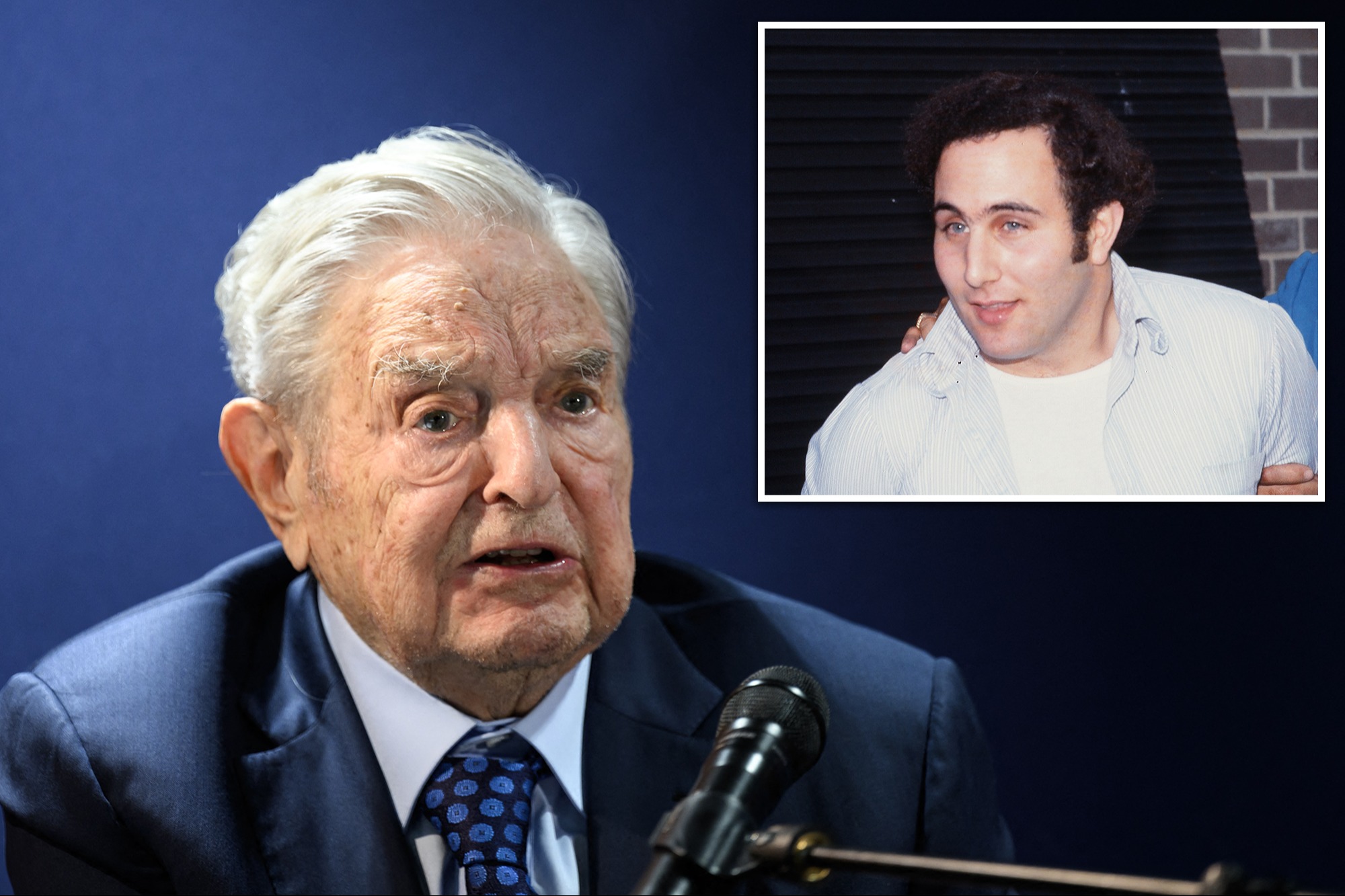
George Soros has directed more than $7 million through his foundation network to organizations backing Albany legislation that would reform parole laws in ways critics warn could free violent offenders including serial killers.
Stefanos Banos
Stefanos Banos Staff Writer
MAY 23, 2026 AT 6:10 PM

Soros Network Funds $7M Push for Controversial Parole Bills That Could Free “Son of Sam” Killer

Billionaire philanthropist George Soros has directed more than $7 million through his grant-making network to organizations backing an Albany lobbying campaign for two sweeping parole reform measures, according to New York Post analysis of Open Society Foundation records. The initiative, known as “The People’s Campaign for Parole Justice,” is advancing legislation critics warn could result in the release of serial murderers and violent offenders currently serving lengthy sentences.

The coalition comprises 15 member organizations, eight of which have received at least $7.1 million from Soros-backed funding sources since 2016. Major recipients include FWD.us, which received $3.2 million, along with Voices of Community Activists & Leaders New York ($1.7 million), Legal Aid Society ($1.6 million), and several other criminal justice reform groups.

Two Bills Targeting Mandatory Minimums

The campaign is advancing two separate pieces of legislation. The Elder Parole bill, sponsored by Sen. Cordell Cleare (D-Manhattan) and Assemblywoman Maritza Davilla (D-Brooklyn), would allow violent criminals to petition for early release after reaching age 55 and serving 15 years, regardless of crime severity.

The Fair and Timely Parole bill, championed by Sen. Julia Salazar (D-Brooklyn) and Assemblyman David Weprin (D-Queens), would require the state parole board to release inmates unless deemed a “current danger to the public” — setting a markedly low threshold for release decisions.

Both measures currently command sufficient Senate support to pass but lack Assembly backing. Previous versions have stalled since 2017.

Critics Question Public Safety Impact

Conservative advocacy groups have voiced alarm over the legislation’s potential consequences. Douglas Kellogg, state projects director for Americans for Tax Reform, characterized the proposals as fundamentally misaligned with public sentiment.

The campaign’s framing of mass incarceration reduction as “decarceration and family reunification” masks what opponents view as dangerous criminal justice policy. The coalition’s website argues the measures address “brutally long prison terms” rooted in “white supremacy,” but families of victims tell a different story.

Jason Savino, whose mother Wendy Savino survived a 1976 attack by “Son of Sam” serial killer David Berkowitz, condemned Soros’s financial backing of the campaign. Savino pointed to the disparity between Soros’s personal security apparatus and his funding of policies that could endanger ordinary New Yorkers.

Broader Pattern of Criminal Justice Influence

According to research from the Heritage Foundation, Soros has invested more than $40 million over the past decade supporting soft-on-crime district attorney candidates nationwide, with additional hundreds of millions directed toward prosecutors campaigning on jail population reduction platforms.

Governor Kathy Hochul, navigating reelection dynamics, has declined to indicate whether she would veto either measure, despite their substantial implications for public safety policy.

When contacted for response regarding the potential release of serial killers through these measures, Soros spokesman Michael Vachon dismissed the inquiry rather than address the substantive concern.

With information from New York Post

Share:
Stefanos Banos
Stefanos Banos

Stefanos Banos was born in Piraeus and is an editor at NewsFire.GR, specializing in political analysis and international relations. He graduated from the Department of Communication and Media at the University of Bremen in Germany, where he also completed his Master of Arts in Communication and Media Studies. Married to Zoi, he is a proud father of three boys.

Soros Network Funds $7M Push for Controversial Parole Bills That Could Free “Son of Sam” Killer

Billionaire philanthropist George Soros has directed more than $7 million through his grant-making network to organizations backing an Albany lobbying campaign for two sweeping parole reform measures, according to New York Post analysis of Open Society Foundation records. The initiative, known as “The People’s Campaign for Parole Justice,” is advancing legislation critics warn could result in the release of serial murderers and violent offenders currently serving lengthy sentences.

The coalition comprises 15 member organizations, eight of which have received at least $7.1 million from Soros-backed funding sources since 2016. Major recipients include FWD.us, which received $3.2 million, along with Voices of Community Activists & Leaders New York ($1.7 million), Legal Aid Society ($1.6 million), and several other criminal justice reform groups.

Two Bills Targeting Mandatory Minimums

The campaign is advancing two separate pieces of legislation. The Elder Parole bill, sponsored by Sen. Cordell Cleare (D-Manhattan) and Assemblywoman Maritza Davilla (D-Brooklyn), would allow violent criminals to petition for early release after reaching age 55 and serving 15 years, regardless of crime severity.

The Fair and Timely Parole bill, championed by Sen. Julia Salazar (D-Brooklyn) and Assemblyman David Weprin (D-Queens), would require the state parole board to release inmates unless deemed a “current danger to the public” — setting a markedly low threshold for release decisions.

Both measures currently command sufficient Senate support to pass but lack Assembly backing. Previous versions have stalled since 2017.

Critics Question Public Safety Impact

Conservative advocacy groups have voiced alarm over the legislation’s potential consequences. Douglas Kellogg, state projects director for Americans for Tax Reform, characterized the proposals as fundamentally misaligned with public sentiment.

The campaign’s framing of mass incarceration reduction as “decarceration and family reunification” masks what opponents view as dangerous criminal justice policy. The coalition’s website argues the measures address “brutally long prison terms” rooted in “white supremacy,” but families of victims tell a different story.

Jason Savino, whose mother Wendy Savino survived a 1976 attack by “Son of Sam” serial killer David Berkowitz, condemned Soros’s financial backing of the campaign. Savino pointed to the disparity between Soros’s personal security apparatus and his funding of policies that could endanger ordinary New Yorkers.

Broader Pattern of Criminal Justice Influence

According to research from the Heritage Foundation, Soros has invested more than $40 million over the past decade supporting soft-on-crime district attorney candidates nationwide, with additional hundreds of millions directed toward prosecutors campaigning on jail population reduction platforms.

Governor Kathy Hochul, navigating reelection dynamics, has declined to indicate whether she would veto either measure, despite their substantial implications for public safety policy.

When contacted for response regarding the potential release of serial killers through these measures, Soros spokesman Michael Vachon dismissed the inquiry rather than address the substantive concern.

With information from New York Post

