
Senior UN Official Admits Peacekeeping Forces Not Fit for Purpose
A senior UN official warned the organization risks collapse like the League of Nations due to Russia's Security Council veto power preventing accountability for Ukraine violations.
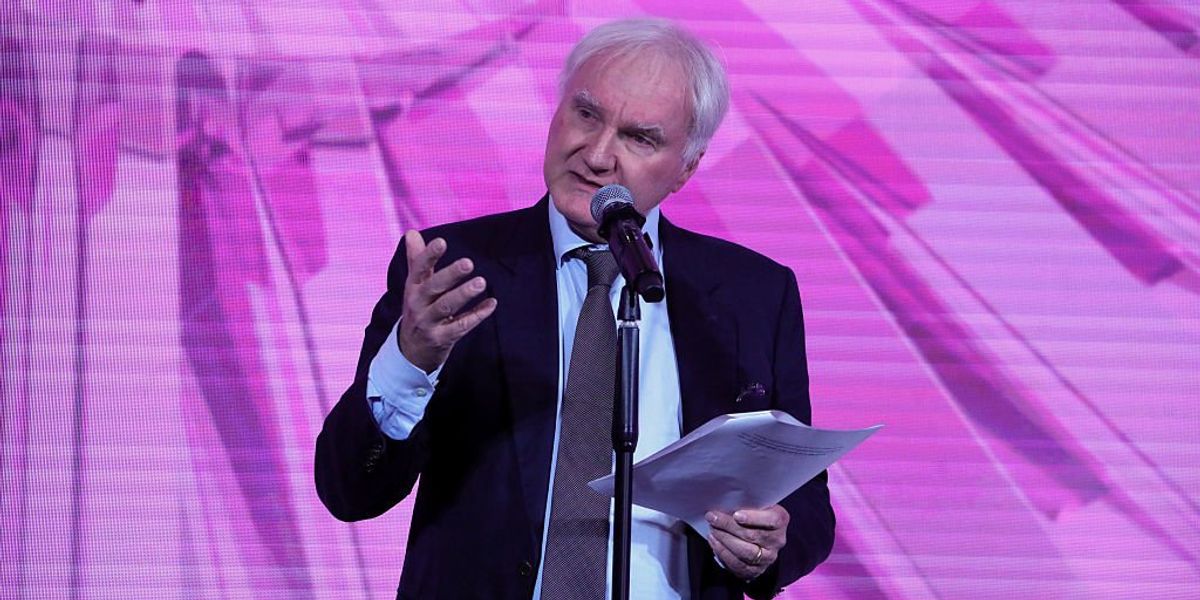
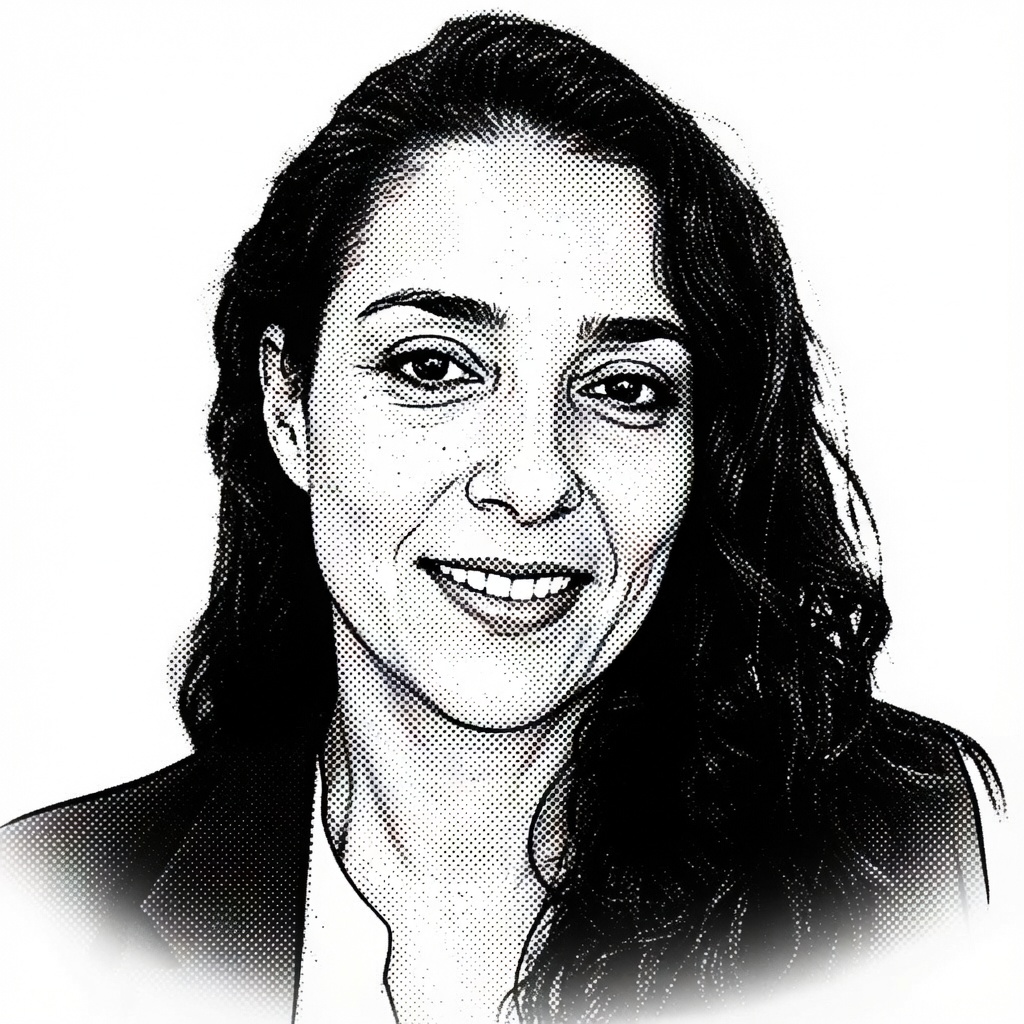
A senior United Nations official has publicly acknowledged that the international peacekeeping organization is no longer capable of fulfilling its founding mission, warning it risks the same fate as the defunct League of Nations.
Matthias Schmale, the UN chief in Ukraine, issued the stark assessment while highlighting how Russia continues to violate the organization’s charter in Ukraine with complete impunity, according to George Bunn writing in GB News.
Schmale, who serves as the UN Secretary-General’s personal representative in Ukraine, called for fundamental structural reform to prevent what he described as an impending institutional collapse.
Security Council Structure Under Fire
The UN official directed particular criticism at the Security Council, the body formally responsible for maintaining international peace and security. He pointed out the inherent contradiction of Russia holding permanent membership status and veto power while simultaneously acting as an aggressor nation in Ukraine.
Speaking to The Telegraph, Schmale characterized the current arrangement as outdated and dysfunctional. He stated that having five permanent members with veto rights is inappropriate for a global institution, particularly when one of those members can shield itself from accountability while violating the very principles the organization claims to uphold.
Institutional Collapse Warning
Schmale did not mince words about the potential consequences of inaction, warning that the UN may face a complete breakdown in the near future if substantive changes are not implemented. His comparison to the League of Nations carries significant historical weight, as that predecessor organization famously dissolved after failing to prevent World War II.
The admission from such a high-ranking UN official represents an unusually candid acknowledgment of institutional failure from within the organization itself. It underscores growing frustration among Western-aligned officials over the UN’s paralysis in addressing Russian aggression.
The Security Council’s permanent membership structure, established in 1945 following World War II, grants veto power to the United States, Britain, France, Russia, and China. This arrangement has long been criticized as reflecting post-war power dynamics rather than current geopolitical realities.
Schmale suggested that meaningful reform must include changes to decision-making authority, though he did not specify detailed proposals for restructuring the Security Council’s composition or voting procedures.
With information from GB News





