Necessary Cookies

Required for the site to function. Cannot be disabled.

Analytics Cookies

Help us understand how visitors interact with our site (Google Analytics via GTM).

Marketing Cookies

Used to track visitors and deliver personalised advertisements.

We use cookies to enhance your browsing experience and analyse site traffic. By clicking Accept All, you consent to our use of cookies. Privacy Policy
NewsFire Global
Home News Europe World Christianity Culture Wars Opinion Video
Information
About Us Authors Advertising Terms & Conditions Privacy Policy Contact
R2B Media
R2B NEWSFIRE.GR PAPAFOTIS.GR THRACTION HELLENIC CONSERVATIVES RIGHT2THEBONE YT
News World

Russia Takes Kabul Without Firing Shot as West Loses Big

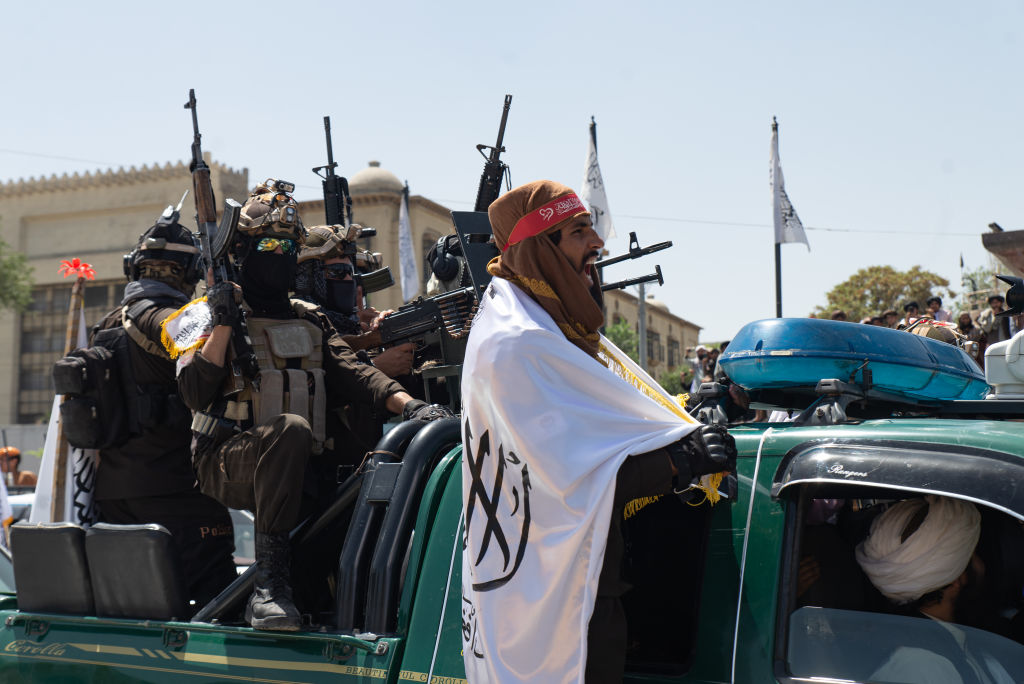
Russia has formally recognized the Taliban as Afghanistan's legitimate government, becoming the first nation to grant such status since the group seized power in 2021.

Newsroom
Newsroom Staff Writer
JUNE 9, 2026 AT 7:00 PM

The Kremlin’s decision represents a strategic victory achieved without military force, according to Brussels Signal, as Moscow consolidates influence across Central Asia while Western powers remain sidelined.

Gul Hasan, Kabul’s newly accredited ambassador to Moscow, now holds official diplomatic status after Russia removed the Taliban from its list of terrorist organizations. What began as tentative engagement has evolved into a comprehensive strategic partnership spanning economic, military, and intelligence cooperation.

Economic Integration Cements Moscow’s Influence

Bilateral trade between the two nations has surged dramatically under a major comprehensive memorandum. Russia now supplies millions of tonnes of heavily discounted gasoline, diesel, and wheat to Afghanistan, while Russian companies have secured preferential access to the country’s vast untapped reserves of copper, lithium, and rare-earth minerals.

The arrangement gives Moscow economic leverage while providing the Taliban regime with essential resources and international legitimacy that Western nations have refused to grant.

Military Pact Establishes Russian Presence

A comprehensive military cooperation agreement signed in Moscow and attended directly by the Taliban’s Defense Minister formalizes the security dimension of the partnership. The pact provides technical support for Russian equipment and establishes formal intelligence-sharing channels targeting shared regional threats, particularly the Islamic State-Khorasan.

Moscow has effectively created a strategic buffer zone on its southern flank while Western intelligence services remained largely unaware of the depth of coordination.

Pakistan Sidelined as Regional Dynamics Shift

The diplomatic breakthrough comes amid open border warfare and deep rifts between Kabul and Islamabad. For decades, Pakistan collected billions in Western aid ostensibly to contain radical elements while simultaneously nurturing the very forces that eventually expelled American and NATO troops from Afghanistan.

Now Moscow and Beijing bypass the Pakistani intermediary entirely, dealing directly with Taliban leadership. The manipulation of Afghan instability as a bargaining chip has backfired spectacularly on Islamabad.

Europe Faces Strategic Setback

The reorientation of Afghanistan toward Eurasian powers represents another setback for European strategic interests. Russia, China, and India now form Kabul’s primary international partners, treating the country as a strategic asset rather than a humanitarian concern.

As Brussels Signal reports, these powers have concluded that stability in Central Asia does not require parliamentary democracy but rather pragmatic arrangements that serve mutual interests.

Western Retreat Enables Russian Advance

The Taliban’s complete pivot eastward demonstrates a fundamental truth: geopolitical vacuums do not remain empty. While the United States and European allies issued declarations and imposed ineffective sanctions, Moscow quietly achieved one of its oldest imperial ambitions without deploying a single soldier.

The catastrophic 2021 withdrawal under President Biden has proven to be a permanent retreat from the region, with Kabul now fully integrated into a new Eurasian alignment that excludes Western influence entirely.

The high passes of the Hindu Kush have tempted world powers for millennia. This time, Russia has secured them not through the failed Soviet invasion of 1979, but through patient diplomacy and economic pragmatism while the West looked elsewhere.

With information from Brussels Signal

Share:
Newsroom
Newsroom

NewsFire.GR is a website created with the hope that the media will rediscover their true identity, which is none other than informing the public about the real stakes of our times. Journalism and political analysis must hold power accountable, not serve it.

The Kremlin’s decision represents a strategic victory achieved without military force, according to Brussels Signal, as Moscow consolidates influence across Central Asia while Western powers remain sidelined.

Gul Hasan, Kabul’s newly accredited ambassador to Moscow, now holds official diplomatic status after Russia removed the Taliban from its list of terrorist organizations. What began as tentative engagement has evolved into a comprehensive strategic partnership spanning economic, military, and intelligence cooperation.

Economic Integration Cements Moscow’s Influence

Bilateral trade between the two nations has surged dramatically under a major comprehensive memorandum. Russia now supplies millions of tonnes of heavily discounted gasoline, diesel, and wheat to Afghanistan, while Russian companies have secured preferential access to the country’s vast untapped reserves of copper, lithium, and rare-earth minerals.

The arrangement gives Moscow economic leverage while providing the Taliban regime with essential resources and international legitimacy that Western nations have refused to grant.

Military Pact Establishes Russian Presence

A comprehensive military cooperation agreement signed in Moscow and attended directly by the Taliban’s Defense Minister formalizes the security dimension of the partnership. The pact provides technical support for Russian equipment and establishes formal intelligence-sharing channels targeting shared regional threats, particularly the Islamic State-Khorasan.

Moscow has effectively created a strategic buffer zone on its southern flank while Western intelligence services remained largely unaware of the depth of coordination.

Pakistan Sidelined as Regional Dynamics Shift

The diplomatic breakthrough comes amid open border warfare and deep rifts between Kabul and Islamabad. For decades, Pakistan collected billions in Western aid ostensibly to contain radical elements while simultaneously nurturing the very forces that eventually expelled American and NATO troops from Afghanistan.

Now Moscow and Beijing bypass the Pakistani intermediary entirely, dealing directly with Taliban leadership. The manipulation of Afghan instability as a bargaining chip has backfired spectacularly on Islamabad.

Europe Faces Strategic Setback

The reorientation of Afghanistan toward Eurasian powers represents another setback for European strategic interests. Russia, China, and India now form Kabul’s primary international partners, treating the country as a strategic asset rather than a humanitarian concern.

As Brussels Signal reports, these powers have concluded that stability in Central Asia does not require parliamentary democracy but rather pragmatic arrangements that serve mutual interests.

Western Retreat Enables Russian Advance

The Taliban’s complete pivot eastward demonstrates a fundamental truth: geopolitical vacuums do not remain empty. While the United States and European allies issued declarations and imposed ineffective sanctions, Moscow quietly achieved one of its oldest imperial ambitions without deploying a single soldier.

The catastrophic 2021 withdrawal under President Biden has proven to be a permanent retreat from the region, with Kabul now fully integrated into a new Eurasian alignment that excludes Western influence entirely.

The high passes of the Hindu Kush have tempted world powers for millennia. This time, Russia has secured them not through the failed Soviet invasion of 1979, but through patient diplomacy and economic pragmatism while the West looked elsewhere.

With information from Brussels Signal

