Revolt Against NIUS Censorship at BVG, Even Greens Criticize
A senior Green politician in Berlin celebrated the removal of NIUS advertising from public transport, sparking cross-party backlash over concerns about censorship and constitutional protections.
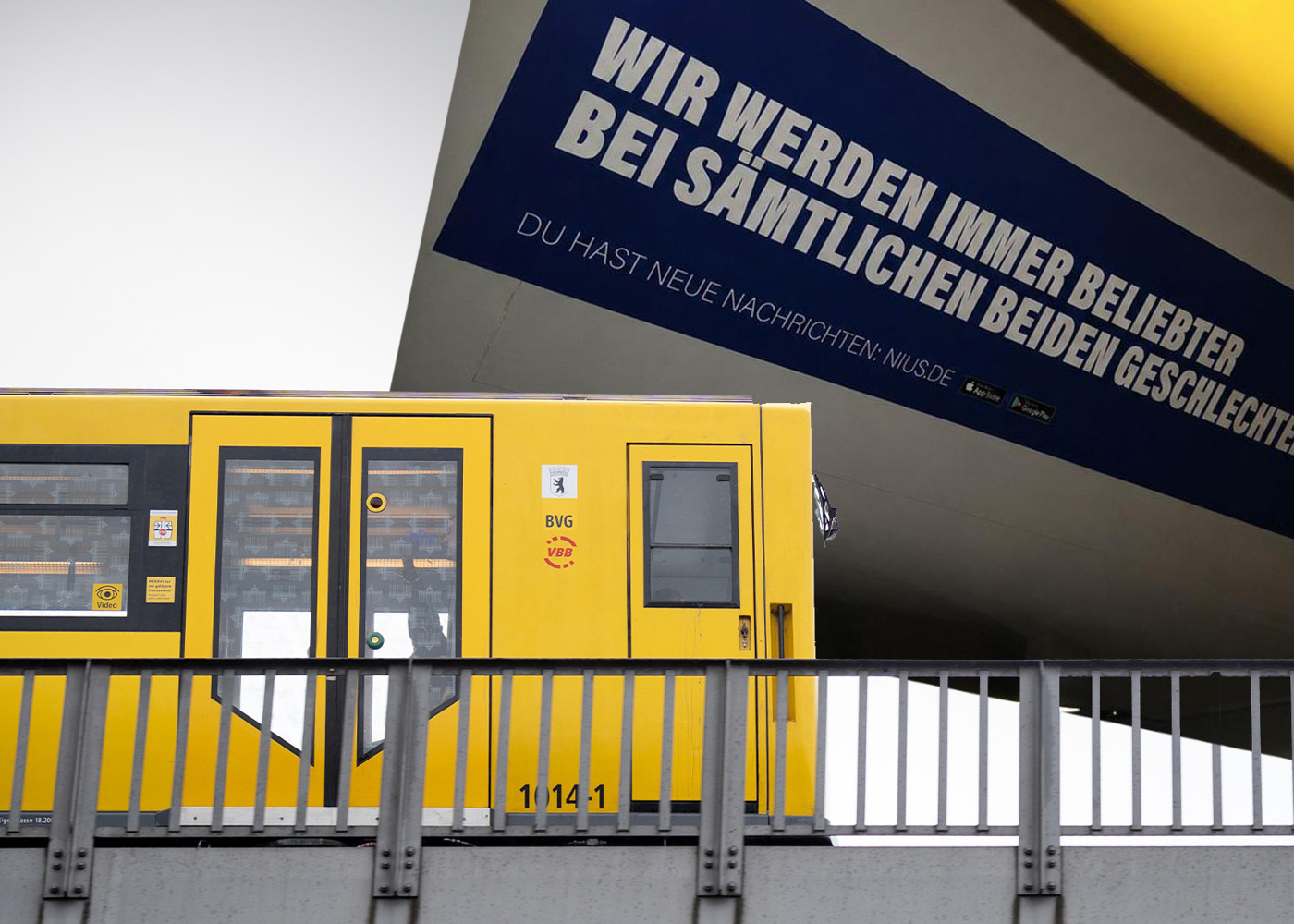

The Berlin Transport Company (BVG) ordered its marketing contractor to terminate NIUS advertising “with immediate effect,” according to Nius. The decision by the state-owned enterprise has prompted both outrage and celebration, with the Green party viewing the move as an opportunity to further restrict what content can be advertised on publicly funded platforms.
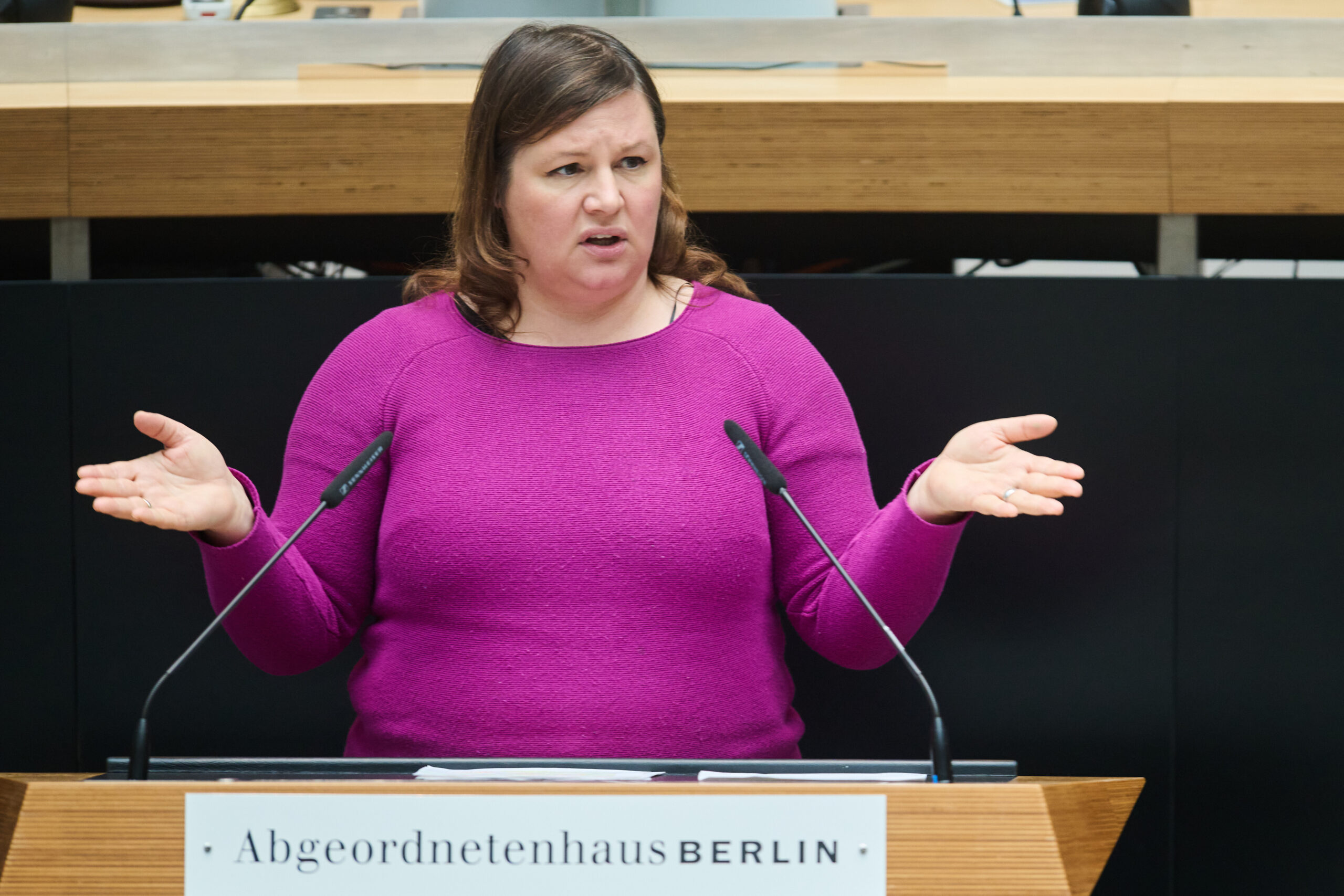
Antje Kapek, the Green party’s transport policy spokesperson in the Berlin state parliament, wrote on X that the cancellation represents a clear victory for civil society. She went further, demanding that advertising rights be modified to exclude what she termed “anti-human and anti-democratic content or organizations” from the outset.
The statement has drawn widespread criticism for what observers see as an attempt to establish censorship mechanisms in direct contradiction to Germany’s constitutional protections. Article 5 of the German Basic Law explicitly states that censorship shall not take place, a fundamental right that critics say the Greens appear willing to circumvent when targeting voices they consider inconvenient.
Kapek’s characterization of NIUS content as “anti-human and anti-democratic” over statements such as “there are only two sexes” has exposed what critics describe as the warped standards within the Green party regarding freedom of expression. The politician’s enthusiasm for converting this so-called victory into expanded censorship powers reveals an authoritarian mindset, according to detractors.
Cross-Party Condemnation
The reaction from across Germany’s political landscape has been swift and severe. Martin Hagen, the new general secretary of the Free Democratic Party (FDP), declared that press freedom must be defended against all forms of authoritarianism, including the green variety.
Jan Schäfer, political editor of Bild newspaper, questioned whether a party that constantly stokes fears while simultaneously fearing other opinions and viewpoints is good for democracy. Hugo Müller-Vogg, former publisher of the Frankfurter Allgemeine Zeitung, wrote that banning, patronizing, and suppressing unwelcome opinions is what the Greens dream of.
Berlin FDP politician Andreas Schreiner warned that Kapek’s post clearly demonstrates an attempt to build a left-wing autocracy. He accused the Green politician of either not paying attention in civics class or having lost interest in a democracy where opinions she dislikes are permitted. This autocracy, he argued, is being erected not through violence but through restrictions and moral as well as political pressure.
Christian Democratic Union (CDU) politician Christoph Ploß stated that while one need not like NIUS, such statements from the Green party reveal a totalitarian attitude toward those who think differently. He affirmed his support for press freedom and opposition to Green exclusion tactics.
Internal Green Criticism
Remarkably, criticism emerged even from within the Green party itself. Party colleague Markus Bublitz wrote on X that Kapek was off base. He pointed out that criminal content can be challenged in court, and that none of the NIUS advertising displayed on BVG was anti-human or anti-democratic. Bublitz warned that when Greens repeatedly overshoot the mark with such demands, it is no wonder that people ultimately make their electoral choices elsewhere.
Es darf nur gesagt und beworben werden was das Wahrheitsministerium erlaubt https://t.co/oIg734eDGZ
— marc friedrich (@marcfriedrich) June 6, 2026
Former member of parliament Joana Cotar drew historical parallels, noting that every totalitarian in history was convinced they were only silencing the right people. Financial expert and author Marc Friedrich sarcastically observed that only what the Ministry of Truth permits may be said and advertised.
Es darf nur gesagt und beworben werden was das Wahrheitsministerium erlaubt https://t.co/oIg734eDGZ
— marc friedrich (@marcfriedrich) June 6, 2026
The controversy highlights fundamental tensions in German public discourse over the boundaries of acceptable speech and the role of state-owned enterprises in determining which media outlets can access advertising platforms. The BVG is entirely state-owned, with more than half its revenue derived from taxpayers, raising questions about equal treatment and anti-discrimination principles when political pressure determines advertising policies.
Critics note the irony of Kapek framing the exclusion of a constitutionally protected media outlet from advertising opportunities as a civil society victory, particularly when the decision comes from a fully state-controlled company funded largely by public money. The episode underscores growing concerns about authoritarian tendencies among Germany’s governing parties and their willingness to use institutional power to silence critical voices.
With information from Nius