
Putin Lifts Kim Jong Un From Western Isolation Trap
North Korea and Russia have deepened their strategic partnership as international isolation pushes both nations to prioritize mutual interests over ideology.
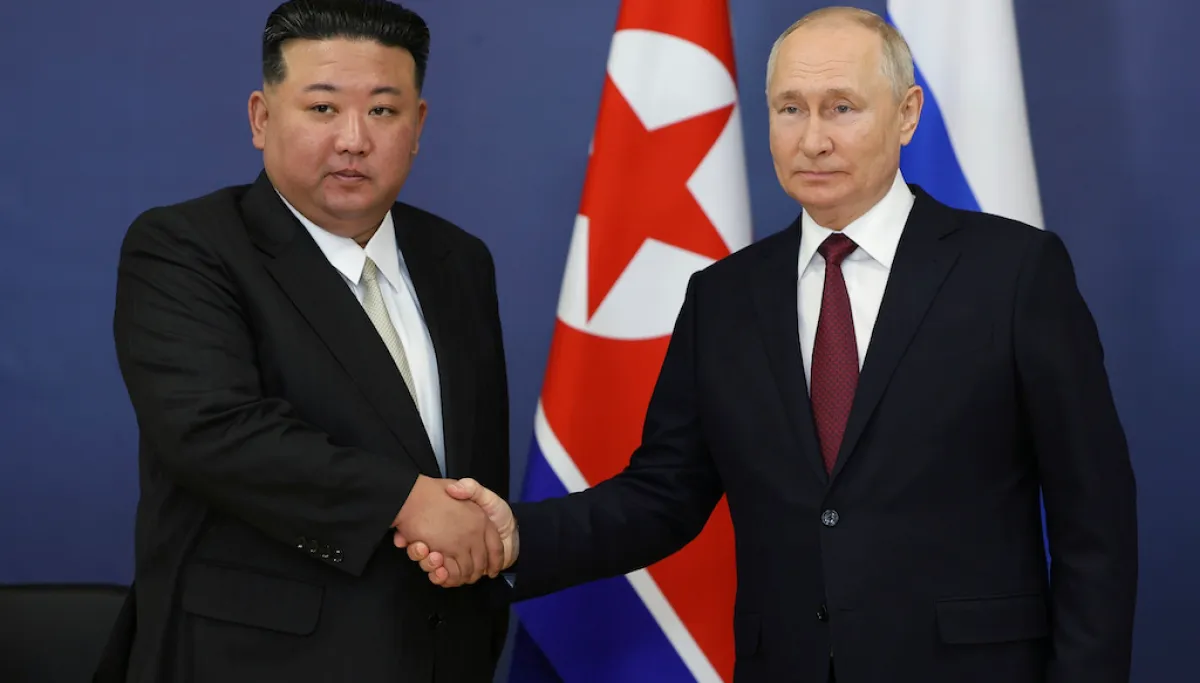

The accelerating partnership between North Korea and Russia offers a stark reminder that in international politics, national interest always trumps ideology — and the recent Moscow visit by Pyongyang’s foreign minister underscores how profoundly the global order is shifting.
Choe Son Hui, North Korea’s Foreign Minister, traveled to Moscow recently for high-level discussions with her Russian counterpart and met directly with Russian President Vladimir Putin to advance bilateral cooperation, as Park Joonhye argues in Washington Examiner. Both governments reaffirmed their commitment to a so-called Comprehensive Strategic Partnership and pledged to deepen ties across political, economic, and military domains.
At first glance, the encounter may appear as routine diplomacy. Yet seasoned observers understand that in international affairs, context matters far more than ceremonial handshakes.
Only a few years ago, relations between Pyongyang and Moscow were cordial but distant. North Korea’s traditional diplomatic anchor was Beijing, not Moscow. Russia played a steady but secondary role in Korean Peninsula affairs, and few analysts saw North Korea-Russia relations as a meaningful variable capable of reshaping Northeast Asian dynamics.

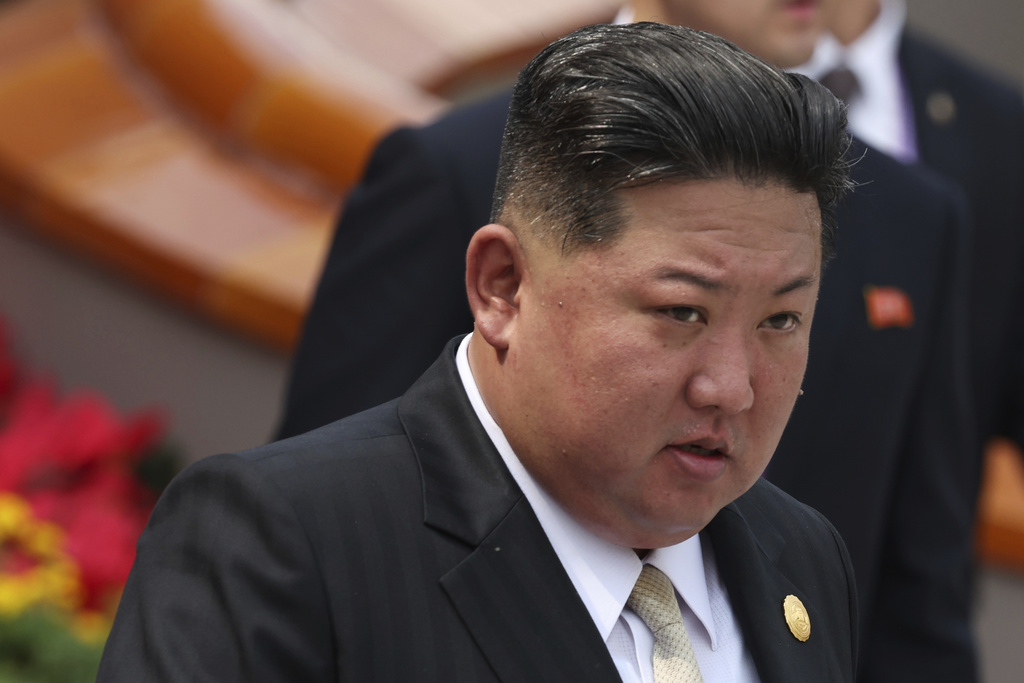
The war in Ukraine changed everything. As the conflict dragged on, Russia found itself increasingly severed from the established international order. Western sanctions and diplomatic isolation forced Moscow to search for alternative partners. Meanwhile, North Korea — already strangled by decades of international sanctions — desperately needed diplomatic breathing room and economic opportunities.
Two isolated actors, each trapped by different circumstances, discovered they could serve one another’s strategic needs. Russia required military supplies and strategic alignment. North Korea needed diplomatic cover and economic cooperation. Ideology took a back seat to survival.
Many analysts prefer to interpret alliances through values and shared political systems, assuming democracies ally with democracies and authoritarian regimes with one another. While partly true, this framework oversimplifies history. During the Cold War, the United States partnered with communist China to counter the Soviet Union. In World War II, liberal democracies joined forces with Stalin’s Soviet Union to defeat Nazi Germany. Cooperation with adversaries and conflict with allies have always been dictated by national interest.
The North Korea-Russia relationship must be understood in precisely this light. Pyongyang is diversifying its diplomatic portfolio through Moscow, while Russia gains a fresh strategic foothold in Northeast Asia through Pyongyang. They are not drawing closer because they trust each other or share identical goals, but because at this particular moment, each is the other’s most useful partner.
Pragmatic Diplomacy from a Closed Regime
What merits attention is North Korea’s diplomatic pragmatism. Many in the West view North Korea as a hermit kingdom — closed, isolated, and irrational. Internally, the regime remains among the most repressive on Earth. But externally, Pyongyang’s diplomacy is anything but static.
Today’s North Korea executes highly calculated foreign policy. While preserving its traditional partnership with China, the Kim regime is simultaneously expanding strategic cooperation with Russia, seeking to maximize its maneuvering room within a rapidly evolving international landscape. This is no accident. The Kim Jong Un regime has adopted a far more pragmatic diplomatic posture than its predecessors, prioritizing state survival and strategic interest over ideological rhetoric.
Russia’s motives mirror this calculus. Moscow is expanding ties with North Korea not out of affection or shared values, but because Pyongyang offers a necessary strategic asset amid crushing Western sanctions.
A Multipolar World Takes Shape
Simply describing the North Korea-Russia relationship as growing closer misses the deeper transformation underway. The international order itself is shifting. The Cold War divided the world into two rival blocs led by Washington and Moscow. Today’s global system is entering a complex, multipolar era in which nations forge diverse partnerships based on national interest rather than ideological alignment.
North Korea is navigating this fluid environment skillfully. It cooperates with China while strengthening ties with Russia and maintaining limited contact with other states. This calculated diplomacy reflects Pyongyang’s effort to actively exploit shifting international conditions to its advantage.
Of course, no alliance lasts forever. National interests evolve, and partnerships shift accordingly. But for now, the North Korea-Russia partnership reveals how profoundly the post-Cold War order is fracturing — and how even the most isolated regimes can find strategic opportunity in global disorder.
With information from Washington Examiner





