
Pope Leo XIV Calls for ‘Fast from AI’ in Debut Encyclical
Pope Leo XIV's first encyclical warns that AI threatens human dignity and calls for Christians to "fast from AI" while condemning autonomous weapons as morally indefensible.
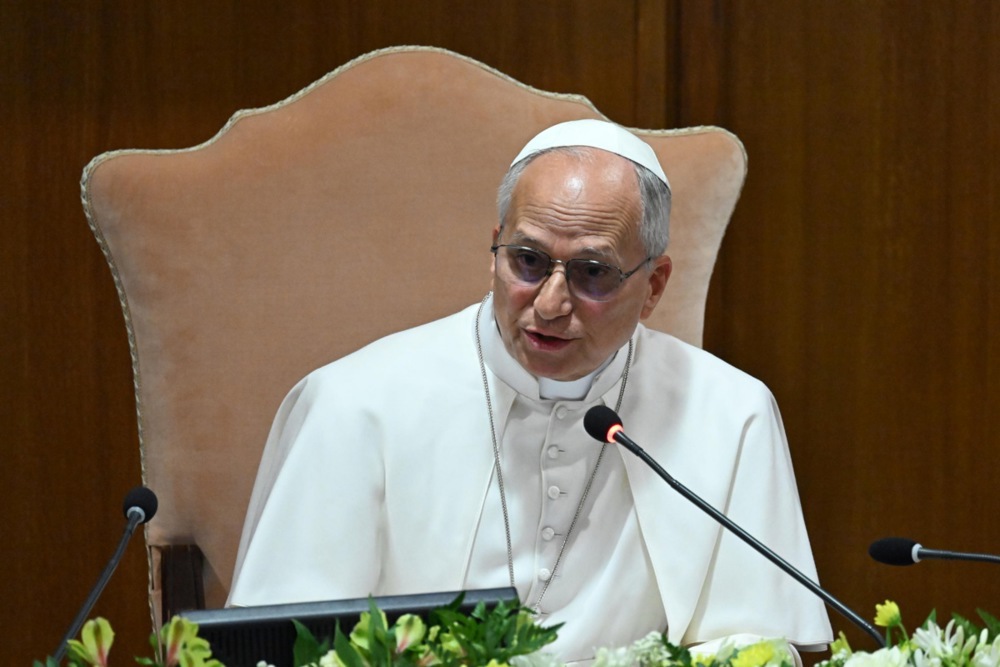

The 110-page papal letter, titled Magnifica Humanitas (Magnificent Humanity), was presented in person by the first American pope at the Vatican on Sunday, according to Brussels Signal. The document was signed on May 15, marking the 135th anniversary of Pope Leo XIII’s landmark 1891 encyclical Rerum Novarum, which established Catholic social teaching during the Industrial Revolution.
AI threatens human dignity and autonomy, pope warns
Across five chapters, Pope Leo XIV frames the AI revolution as a civilisational crossroads, warning humanity faces a choice between constructing a modern Tower of Babel or building a city where God and man dwell in harmony.
The pontiff rejects the notion that technology is neutral, arguing it “takes on the face of those who design it, finance it, regulate it and use it”. He criticises the global race for more powerful algorithms and larger datasets driven by geopolitical and commercial ambition rather than human flourishing.
In one of the encyclical’s most striking calls, the pope urges an “educational alliance” to ensure young people retain the capacity for independent thought. “We must educate ourselves in fasting from AI,” he writes.
Autonomous weapons rejected as morally indefensible
The encyclical addresses the use of AI in warfare with particular force. Pope Leo argues that digital technology is transforming the “grammar of war,” making armed conflict faster, more remote, and increasingly impersonal.
On autonomous weapons systems, the pope is unequivocal: “No algorithm can make war morally acceptable,” Brussels Signal reports. He condemns rising military expenditure presented as the sole response to insecurity, describing such thinking as “false realism” that normalises war and renders peace utopian. Some governments, he warns, may cynically use conflict to distract from domestic failures.
Digital colonialism and new forms of slavery
The pope denounces what he terms “digital colonialism”—the mass appropriation of personal data—and highlights the human cost behind the technology boom. He cites content moderators forced to review disturbing material and children in mining regions whose bodies are “marked, mutilated, consumed” extracting rare earth elements essential for digital devices.
According to United Nations projections cited in the encyclical, AI could be worth up to $4.8 trillion (€4.4 trillion) by 2033—a 25-fold increase in a decade—with profits concentrated among a small number of corporations.
Rejecting technocracy, affirming human dignity
Pope Leo rejects a “technocratic paradigm” in which efficiency and profit dictate moral norms. He insists that human dignity is intrinsic and does not need to be demonstrated or earned.
Rather than calling for outright rejection of technology, the pope proposes building a “civilisation of love”—engaging with AI from a Gospel perspective so that even in the age of algorithms, the world may recognise the human person as the place where God desires to dwell.
The encyclical was presented alongside AI experts, including representatives from firms currently embroiled in debates over military applications of their technology. One expert told the Vatican event that AI companies operate within incentive structures that can conflict with ethical imperatives.
With information from Brussels Signal





