Necessary Cookies

Required for the site to function. Cannot be disabled.

Analytics Cookies

Help us understand how visitors interact with our site (Google Analytics via GTM).

Marketing Cookies

Used to track visitors and deliver personalised advertisements.

We use cookies to enhance your browsing experience and analyse site traffic. By clicking Accept All, you consent to our use of cookies. Privacy Policy
NewsFire Global
Home News Europe World Christianity Culture Wars Opinion
Information
About Us Authors Advertising Terms & Conditions Privacy Policy Contact
R2B Media
R2B NEWSFIRE.GR PAPAFOTIS.GR THRACTION HELLENIC CONSERVATIVES RIGHT2THEBONE YT
News

Parliamentary Inquiry on Wiretapping: Heated Debate Today

Parliament is set to debate PASOK's proposal for a surveillance inquiry committee today amid tensions over national security concerns and leaked intelligence conversations.
Stefanos Banos
Stefanos Banos Staff Writer
MAY 22, 2026 AT 8:42 AM Updated: May 23, 2026 6:58 AM

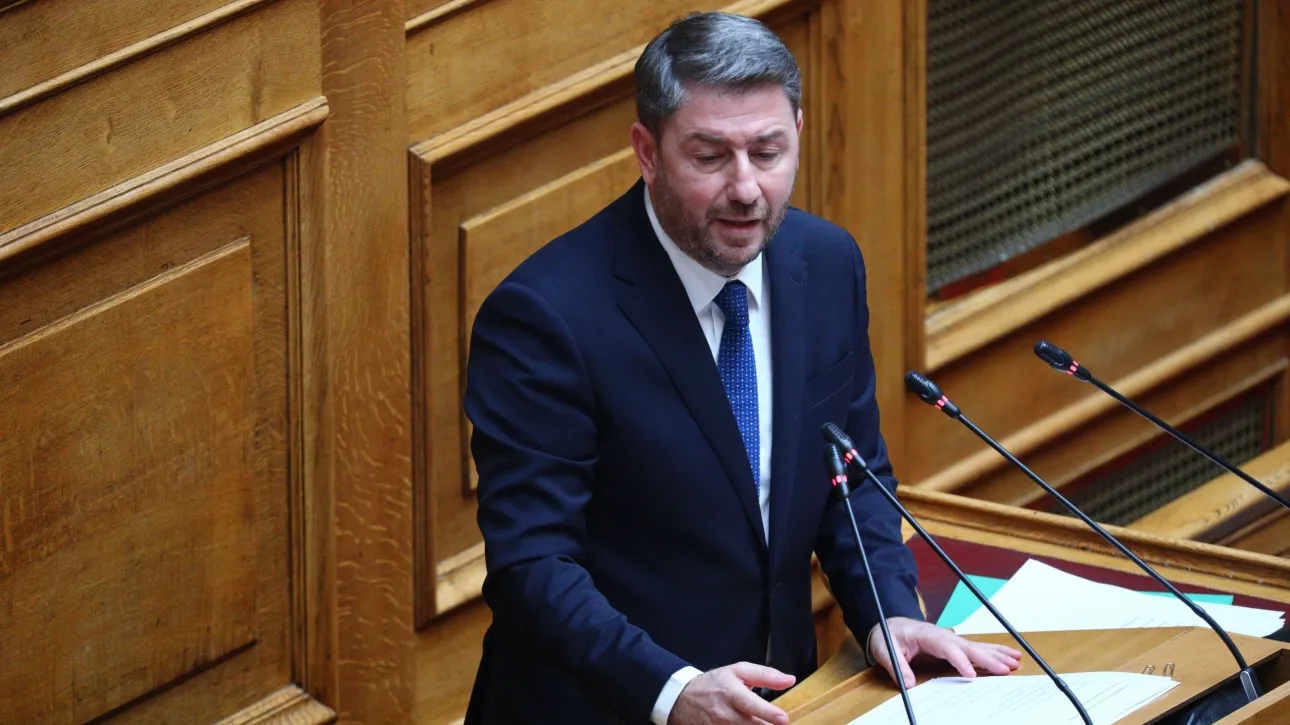
An intense discussion is expected in Parliament today, May 22, 2026, regarding PASOK’s proposal to establish a parliamentary inquiry committee on the surveillance cases. The issue has already caused significant tension, especially following the developments with the prosecutor’s decision to close the case.

New Democracy argues that the matter concerns national security and foreign policy. Therefore, as it emphasizes, the formation of the committee requires an absolute majority of 151 members of Parliament. On his part, Prime Minister Kyriakos Mitsotakis has made it clear that he will not allow actions that undermine the work of the National Intelligence Service (EYP).

Leaks and high tensions

The discussion comes in a climate already charged by leaked conversations between PASOK leader Nikos Androulakis and the head of the National Intelligence Service, Themistocles Demiris.

These conversations took place during his testimony before the Institutions and Transparency Committee. The government and the parliamentary leadership have indicated a move towards seeking criminal liability for the leaks.

Nikos Androulakis, for his part, has spoken of corruption and a deep state. He also stressed that he will not remain silent in the face of what he described as the degradation of the rule of law.

The possibility of a no-confidence motion

According to reports, the opposition, primarily PASOK, is considering submitting a no-confidence motion against the government following today’s proceedings.

The outcome of the vote on the inquiry committee is expected to determine much about the course of events in the coming days.

The plenary session begins against the backdrop of the decision by the Supreme Court Prosecutor K. Tzavellas to keep the case archived, despite the previous recommendation by the court of first instance for further investigation, including espionage.


Share:
Stefanos Banos
Stefanos Banos

Stefanos Banos was born in Piraeus and is an editor at NewsFire.GR, specializing in political analysis and international relations. He graduated from the Department of Communication and Media at the University of Bremen in Germany, where he also completed his Master of Arts in Communication and Media Studies. Married to Zoi, he is a proud father of three boys.

An intense discussion is expected in Parliament today, May 22, 2026, regarding PASOK’s proposal to establish a parliamentary inquiry committee on the surveillance cases. The issue has already caused significant tension, especially following the developments with the prosecutor’s decision to close the case.

New Democracy argues that the matter concerns national security and foreign policy. Therefore, as it emphasizes, the formation of the committee requires an absolute majority of 151 members of Parliament. On his part, Prime Minister Kyriakos Mitsotakis has made it clear that he will not allow actions that undermine the work of the National Intelligence Service (EYP).

Leaks and high tensions

The discussion comes in a climate already charged by leaked conversations between PASOK leader Nikos Androulakis and the head of the National Intelligence Service, Themistocles Demiris.

These conversations took place during his testimony before the Institutions and Transparency Committee. The government and the parliamentary leadership have indicated a move towards seeking criminal liability for the leaks.

Nikos Androulakis, for his part, has spoken of corruption and a deep state. He also stressed that he will not remain silent in the face of what he described as the degradation of the rule of law.

The possibility of a no-confidence motion

According to reports, the opposition, primarily PASOK, is considering submitting a no-confidence motion against the government following today’s proceedings.

The outcome of the vote on the inquiry committee is expected to determine much about the course of events in the coming days.

The plenary session begins against the backdrop of the decision by the Supreme Court Prosecutor K. Tzavellas to keep the case archived, despite the previous recommendation by the court of first instance for further investigation, including espionage.
