Necessary Cookies

Required for the site to function. Cannot be disabled.

Analytics Cookies

Help us understand how visitors interact with our site (Google Analytics via GTM).

Marketing Cookies

Used to track visitors and deliver personalised advertisements.

We use cookies to enhance your browsing experience and analyse site traffic. By clicking Accept All, you consent to our use of cookies. Privacy Policy
NewsFire Global
Home News Europe World Christianity Culture Wars Opinion
Information
About Us Authors Advertising Terms & Conditions Privacy Policy Contact
R2B Media
R2B NEWSFIRE.GR PAPAFOTIS.GR THRACTION HELLENIC CONSERVATIVES RIGHT2THEBONE YT
News Europe

New Spatial Plan for Renewables: Bans in Attica and Thessaloniki

Greece’s new renewable energy spatial plan tightly restricts wind and solar projects, prioritizing environmental protection and land-use harmony, sparking debate over government climate strategy.

Dimitris Papafotis
Dimitris Papafotis Editor in Chief
MAY 20, 2026 AT 4:32 PM Updated: May 20, 2026 6:44 PM

Do we have a “Trump Effect” in the Mitsotakis government? The Ministry of Environment has today launched a public consultation on the new Special Spatial Framework for Renewable Energy Sources, establishing clear exclusion zones for wind turbines and strict rules for photovoltaics.

The changes introduce, for the first time, an integrated plan combining renewable energy sources, tourism, and industry in order to avoid land-use conflicts. According to the Ministry of Environment and Energy (ΥΠΕΝ), the goal is organized development without the uncertainties of the past.

Prohibitions on Wind Turbines

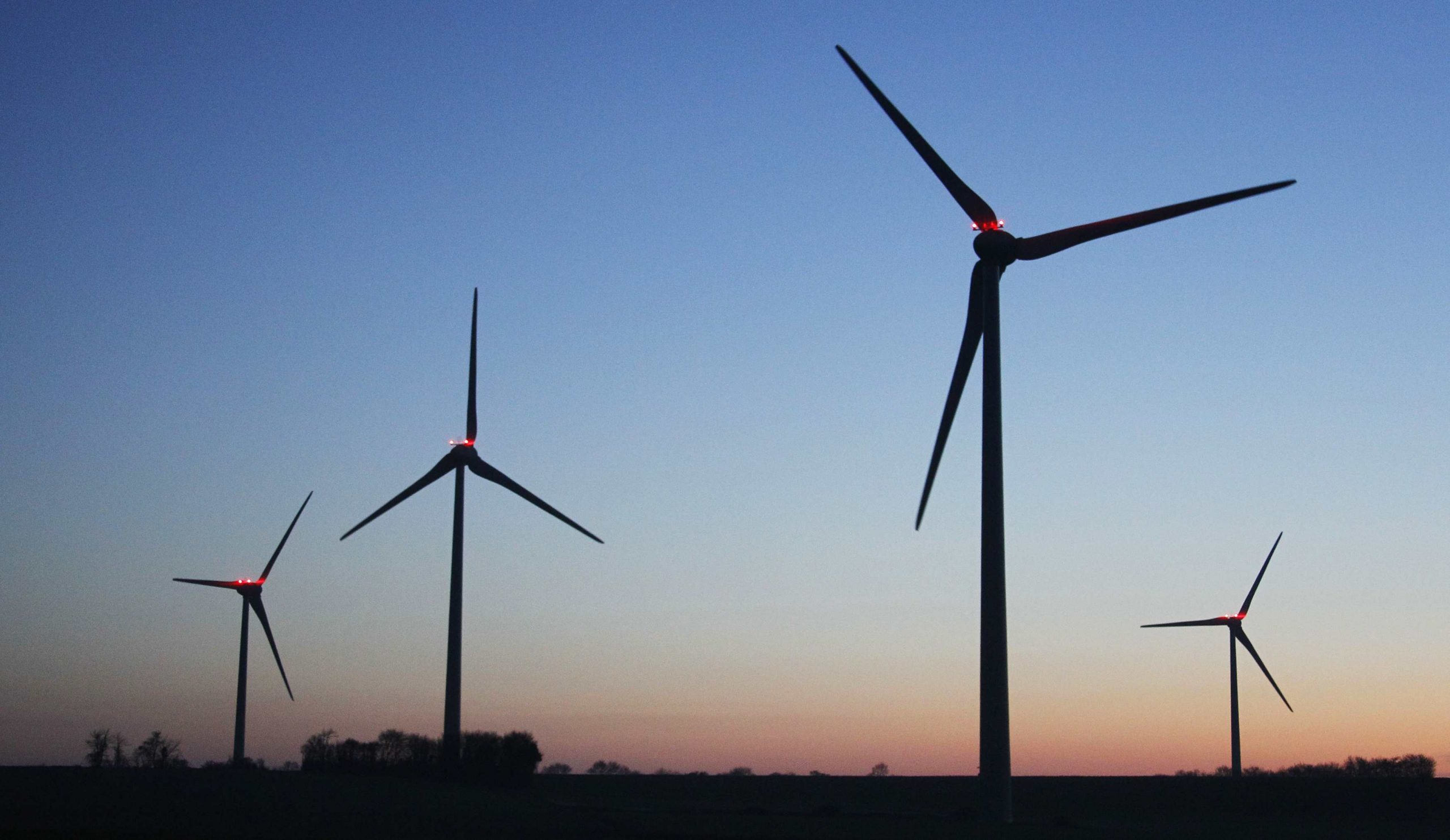
The new framework imposes a blanket ban on the installation of wind farms in Attica and the Metropolitan Area of Thessaloniki, as well as in areas above 1,200 meters in elevation.

They are also prohibited in Ramsar wetlands, Areas of Outstanding Natural Beauty, cores of national parks, zones of absolute nature protection, and small islands under 300 square kilometers (except in special cases of public interest).

In the Special Protection Areas (SPAs) of the Natura 2000 network, wind turbines are permitted only exceptionally, provided there is an explicit provision in an approved Special Environmental Study and the wind potential exceeds 7.5 m/s.

In general, wind farms can only be sited in areas with wind potential above 4 m/s and with respect to other environmental limits. On islands, the maximum land coverage per Municipal Unit cannot exceed 4%.

Restrictions Also for Photovoltaics

Photovoltaic installations are also subject to extensive prohibitions in forests, forest lands, protected Natura 2000 areas, national parks, wetlands, bathing coasts, and archaeological zones.

The maximum percentage of land coverage by new stations is limited to 1.5% per Regional Unit.

Minimum distances from residential areas are mandated, along with the obligation to conduct visual impact studies near significant monuments and archaeological sites.

The framework does not affect projects already in operation, those that have completed environmental licensing, or those that have received file completeness approval before the start of the consultation, as well as small installations on building roofs.

The public consultation will remain open until June 24, 2026. Interested parties can submit their views electronically to the Ministry of Environment and Energy.


Share:
Dimitris Papafotis
Dimitris Papafotis

Dimitris Papafotis is the editor-in-chief of NewsFire.GR. He was born and raised in Athens. He studied at the Journalism Workshop (1991-1993). He currently lives in Pyrgos, Ilia, where he has been active in radio and various newspapers, while also maintaining his personal blog, Papafotis.gr.

Do we have a “Trump Effect” in the Mitsotakis government? The Ministry of Environment has today launched a public consultation on the new Special Spatial Framework for Renewable Energy Sources, establishing clear exclusion zones for wind turbines and strict rules for photovoltaics.

The changes introduce, for the first time, an integrated plan combining renewable energy sources, tourism, and industry in order to avoid land-use conflicts. According to the Ministry of Environment and Energy (ΥΠΕΝ), the goal is organized development without the uncertainties of the past.

Prohibitions on Wind Turbines

The new framework imposes a blanket ban on the installation of wind farms in Attica and the Metropolitan Area of Thessaloniki, as well as in areas above 1,200 meters in elevation.

They are also prohibited in Ramsar wetlands, Areas of Outstanding Natural Beauty, cores of national parks, zones of absolute nature protection, and small islands under 300 square kilometers (except in special cases of public interest).

In the Special Protection Areas (SPAs) of the Natura 2000 network, wind turbines are permitted only exceptionally, provided there is an explicit provision in an approved Special Environmental Study and the wind potential exceeds 7.5 m/s.

In general, wind farms can only be sited in areas with wind potential above 4 m/s and with respect to other environmental limits. On islands, the maximum land coverage per Municipal Unit cannot exceed 4%.

Restrictions Also for Photovoltaics

Photovoltaic installations are also subject to extensive prohibitions in forests, forest lands, protected Natura 2000 areas, national parks, wetlands, bathing coasts, and archaeological zones.

The maximum percentage of land coverage by new stations is limited to 1.5% per Regional Unit.

Minimum distances from residential areas are mandated, along with the obligation to conduct visual impact studies near significant monuments and archaeological sites.

The framework does not affect projects already in operation, those that have completed environmental licensing, or those that have received file completeness approval before the start of the consultation, as well as small installations on building roofs.

The public consultation will remain open until June 24, 2026. Interested parties can submit their views electronically to the Ministry of Environment and Energy.
