Necessary Cookies

Required for the site to function. Cannot be disabled.

Analytics Cookies

Help us understand how visitors interact with our site (Google Analytics via GTM).

Marketing Cookies

Used to track visitors and deliver personalised advertisements.

We use cookies to enhance your browsing experience and analyse site traffic. By clicking Accept All, you consent to our use of cookies. Privacy Policy
NewsFire Global
Home News Europe World Christianity Culture Wars Opinion Video
Information
About Us Authors Advertising Terms & Conditions Privacy Policy Contact
R2B Media
R2B NEWSFIRE.GR PAPAFOTIS.GR THRACTION HELLENIC CONSERVATIVES RIGHT2THEBONE YT
News Europe

NATO nation on Russia border lifts decades-long nuke ban

Finland's parliament voted to overturn a 1987 ban on nuclear weapons, allowing them on Finnish territory for the first time since joining NATO in 2023.

Dimitris Papafotis
Dimitris Papafotis Editor in Chief
JUNE 18, 2026 AT 6:45 AM

The Finnish parliament voted 125 to 61 on Wednesday to overturn restrictions that had been in place since 1987, according to New York Post. The move will allow nuclear weapons to be transported through and stationed on Finnish territory for the first time in nearly four decades.

The 1987 Nuclear Energy Act had explicitly forbidden the import, manufacture, possession, and detonation of nuclear explosives anywhere within Finland’s jurisdiction. That legal framework has now been swept away as the country adapts to its new strategic posture within the Atlantic alliance.

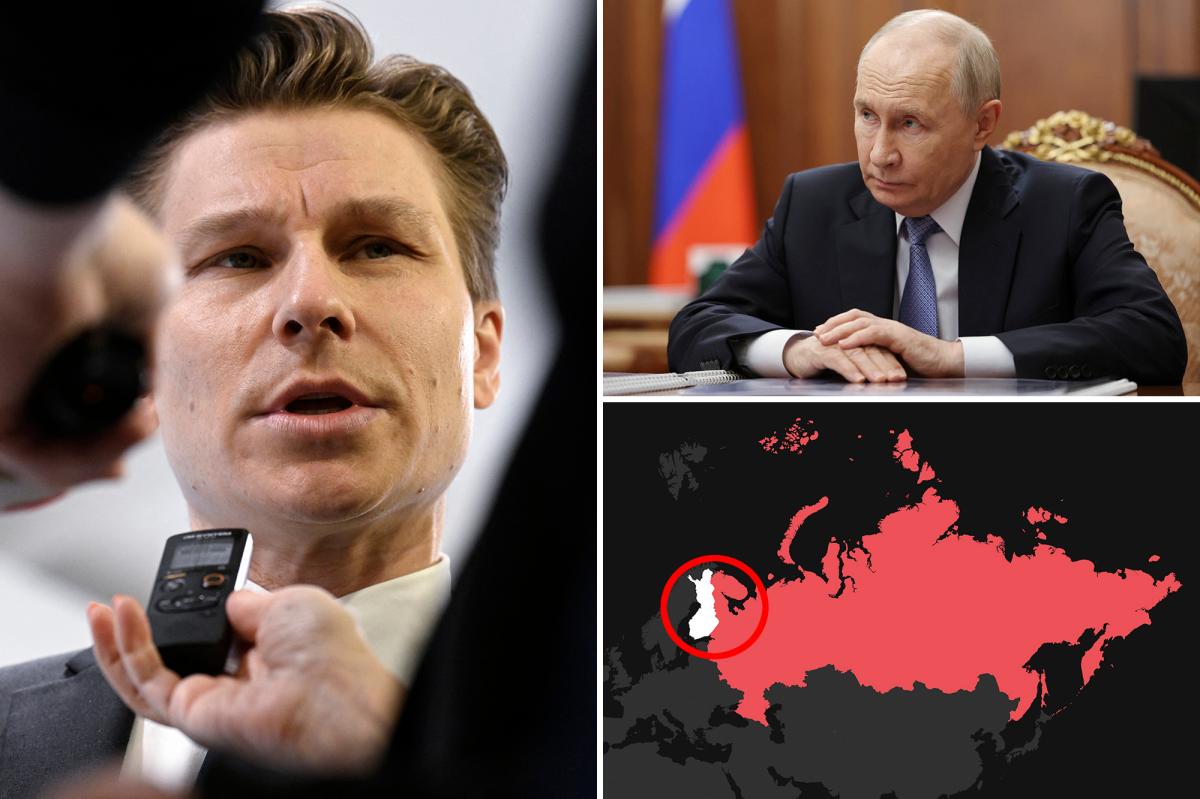
Antti Häkkänen, Finland’s Defense Minister, characterized the decision as a watershed moment for national and collective security. This historic reform strengthens the security of Finland and of NATO as a whole, he declared on social media platform X following the parliamentary vote.

Finland became a full NATO member in April 2023, ending a longstanding tradition of military non-alignment. The accession came just over a year after Moscow launched its large-scale military operation against Ukraine, prompting Helsinki to abandon decades of careful neutrality in favor of Western military integration.

Häkkänen had previously argued in recent months that maintaining Cold War-era nuclear restrictions made little sense given Finland’s current status as a NATO ally. The alliance’s nuclear deterrence doctrine relies on the possibility of deploying such weapons across member states’ territories when strategic circumstances require.

Finland shares an 833-mile frontier with Russia—the longest of any NATO member state—making its territory strategically vital for the alliance’s northern flank. The extended border has been the site of multiple security incidents in recent years as tensions between Moscow and the West have intensified.

The policy shift represents one of the most consequential defense decisions in modern Finnish history and underscores how rapidly the European security landscape has transformed since Russia’s actions in Ukraine.

With information from New York Post

Share:
Dimitris Papafotis
Dimitris Papafotis

Dimitris Papafotis is the editor-in-chief of NewsFire.GR. He was born and raised in Athens. He studied at the Journalism Workshop (1991-1993). He currently lives in Pyrgos, Ilia, where he has been active in radio and various newspapers, while also maintaining his personal blog, Papafotis.gr.

The Finnish parliament voted 125 to 61 on Wednesday to overturn restrictions that had been in place since 1987, according to New York Post. The move will allow nuclear weapons to be transported through and stationed on Finnish territory for the first time in nearly four decades.

The 1987 Nuclear Energy Act had explicitly forbidden the import, manufacture, possession, and detonation of nuclear explosives anywhere within Finland’s jurisdiction. That legal framework has now been swept away as the country adapts to its new strategic posture within the Atlantic alliance.

Antti Häkkänen, Finland’s Defense Minister, characterized the decision as a watershed moment for national and collective security. This historic reform strengthens the security of Finland and of NATO as a whole, he declared on social media platform X following the parliamentary vote.

Finland became a full NATO member in April 2023, ending a longstanding tradition of military non-alignment. The accession came just over a year after Moscow launched its large-scale military operation against Ukraine, prompting Helsinki to abandon decades of careful neutrality in favor of Western military integration.

Häkkänen had previously argued in recent months that maintaining Cold War-era nuclear restrictions made little sense given Finland’s current status as a NATO ally. The alliance’s nuclear deterrence doctrine relies on the possibility of deploying such weapons across member states’ territories when strategic circumstances require.

Finland shares an 833-mile frontier with Russia—the longest of any NATO member state—making its territory strategically vital for the alliance’s northern flank. The extended border has been the site of multiple security incidents in recent years as tensions between Moscow and the West have intensified.

The policy shift represents one of the most consequential defense decisions in modern Finnish history and underscores how rapidly the European security landscape has transformed since Russia’s actions in Ukraine.

With information from New York Post

