Necessary Cookies

Required for the site to function. Cannot be disabled.

Analytics Cookies

Help us understand how visitors interact with our site (Google Analytics via GTM).

Marketing Cookies

Used to track visitors and deliver personalised advertisements.

We use cookies to enhance your browsing experience and analyse site traffic. By clicking Accept All, you consent to our use of cookies. Privacy Policy
NewsFire Global
Home News Europe World Christianity Culture Wars Opinion Video
Information
About Us Authors Advertising Terms & Conditions Privacy Policy Contact
R2B Media
R2B NEWSFIRE.GR PAPAFOTIS.GR THRACTION HELLENIC CONSERVATIVES RIGHT2THEBONE YT
News World

Lebanon Trapped in Crossfire Between Israel, US and Iran

Lebanon remains trapped in a conflict driven by outside powers in Washington, Tehran, and Jerusalem as Israeli forces operate in the south and local frustration with Hezbollah grows.

Newsroom
Newsroom Staff Writer
JUNE 11, 2026 AT 3:00 AM

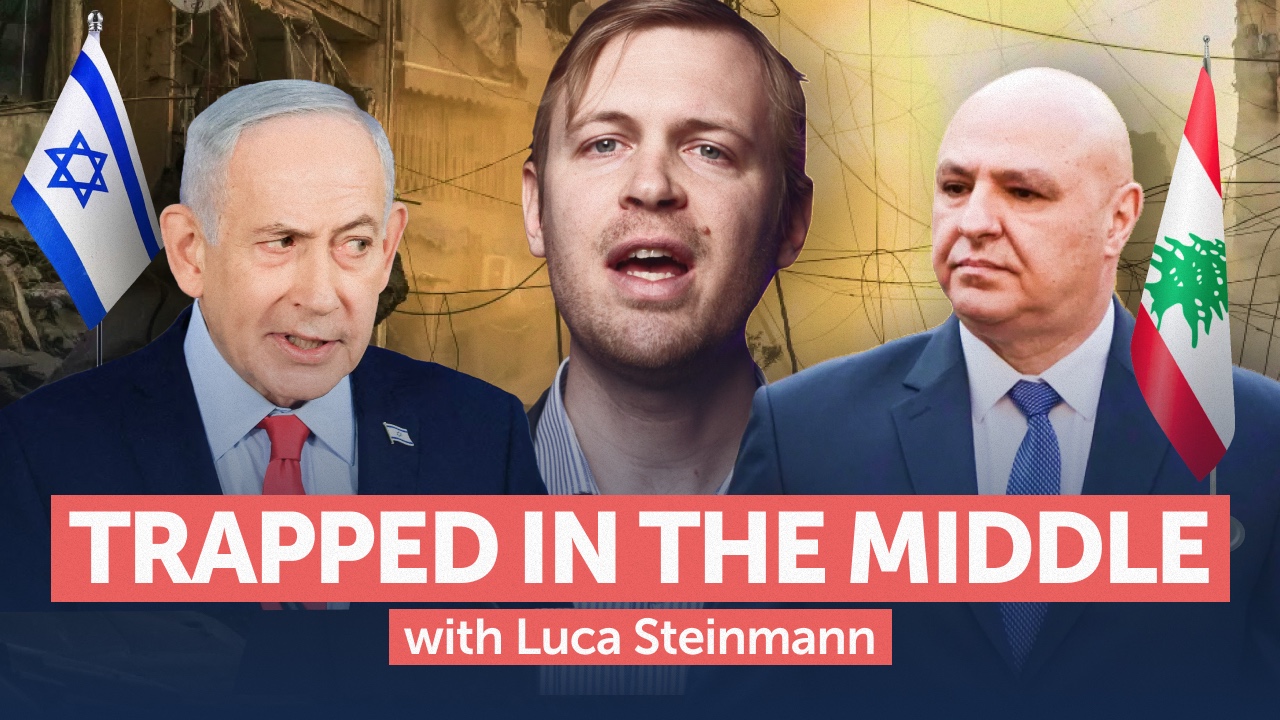
Luca Steinmann, speaking from the Lebanese capital, told Brussels Signal that many Lebanese citizens believe the ultimate decisions about their country’s fate are being made far from Beirut, with the United States, Iran, and Israel holding the real levers of power over the ongoing conflict.

Growing Lebanese Frustration With Hezbollah

As fighting persists in southern Lebanon with Israeli ground forces maintaining their presence, local frustration with Hezbollah is reportedly increasing among segments of the population. Steinmann’s firsthand observations reveal a nation divided, where some Beirut neighborhoods maintain a semblance of normal daily life while others live under the persistent threat of violence.

The humanitarian situation facing displaced civilians has become increasingly dire, with communities throughout the region bearing the brunt of a conflict many feel powerless to influence or stop.

Hezbollah’s Evolving Military Strategy

According to the Brussels Signal report, Hezbollah has adapted its military approach, incorporating drone technology into its operations. The Iran-backed militia’s strategy continues to evolve as Israeli forces pursue objectives in southern Lebanon that may prove difficult to achieve.

Christian communities in Lebanon face particular challenges, caught between Hezbollah’s presence and Israeli military operations, with limited options for protection or neutrality in the escalating conflict.

Government Paralysis and International Presence

The Lebanese government remains largely unable to assert meaningful control over events, hamstrung by internal divisions and external pressures. United Nations peacekeepers stationed in the region continue their controversial mission, though questions persist about their effectiveness in preventing escalation or protecting civilians.

The report suggests that any eventual resolution may depend less on local actors than on diplomatic developments between Washington and Tehran, potentially reducing Lebanon to a bargaining chip in broader regional negotiations between the United States and Iran.

A Nation Waiting for Others to Decide

Steinmann’s reporting paints a picture of a country whose future hangs in the balance, dependent on decisions made in foreign capitals rather than through the agency of its own citizens or institutions. The conflict continues to reshape Lebanese society, with different regions experiencing vastly different realities depending on their proximity to active combat zones.

As Israel maintains its military presence and Hezbollah adjusts its tactics, ordinary Lebanese citizens face an uncertain future, trapped between regional powers pursuing their own strategic interests with little regard for local sovereignty or civilian welfare.

With information from Brussels Signal
Share:
Newsroom
Newsroom

NewsFire.GR is a website created with the hope that the media will rediscover their true identity, which is none other than informing the public about the real stakes of our times. Journalism and political analysis must hold power accountable, not serve it.

Luca Steinmann, speaking from the Lebanese capital, told Brussels Signal that many Lebanese citizens believe the ultimate decisions about their country’s fate are being made far from Beirut, with the United States, Iran, and Israel holding the real levers of power over the ongoing conflict.

Growing Lebanese Frustration With Hezbollah

As fighting persists in southern Lebanon with Israeli ground forces maintaining their presence, local frustration with Hezbollah is reportedly increasing among segments of the population. Steinmann’s firsthand observations reveal a nation divided, where some Beirut neighborhoods maintain a semblance of normal daily life while others live under the persistent threat of violence.

The humanitarian situation facing displaced civilians has become increasingly dire, with communities throughout the region bearing the brunt of a conflict many feel powerless to influence or stop.

Hezbollah’s Evolving Military Strategy

According to the Brussels Signal report, Hezbollah has adapted its military approach, incorporating drone technology into its operations. The Iran-backed militia’s strategy continues to evolve as Israeli forces pursue objectives in southern Lebanon that may prove difficult to achieve.

Christian communities in Lebanon face particular challenges, caught between Hezbollah’s presence and Israeli military operations, with limited options for protection or neutrality in the escalating conflict.

Government Paralysis and International Presence

The Lebanese government remains largely unable to assert meaningful control over events, hamstrung by internal divisions and external pressures. United Nations peacekeepers stationed in the region continue their controversial mission, though questions persist about their effectiveness in preventing escalation or protecting civilians.

The report suggests that any eventual resolution may depend less on local actors than on diplomatic developments between Washington and Tehran, potentially reducing Lebanon to a bargaining chip in broader regional negotiations between the United States and Iran.

A Nation Waiting for Others to Decide

Steinmann’s reporting paints a picture of a country whose future hangs in the balance, dependent on decisions made in foreign capitals rather than through the agency of its own citizens or institutions. The conflict continues to reshape Lebanese society, with different regions experiencing vastly different realities depending on their proximity to active combat zones.

As Israel maintains its military presence and Hezbollah adjusts its tactics, ordinary Lebanese citizens face an uncertain future, trapped between regional powers pursuing their own strategic interests with little regard for local sovereignty or civilian welfare.

With information from Brussels Signal