
ICC Chief Prosecutor Khan Suspended Over Sexual Misconduct Claims
The International Criminal Court suspended chief prosecutor Karim Khan for sexual misconduct after a UN investigation, leaving high-profile cases involving Russia and Israel without leadership.
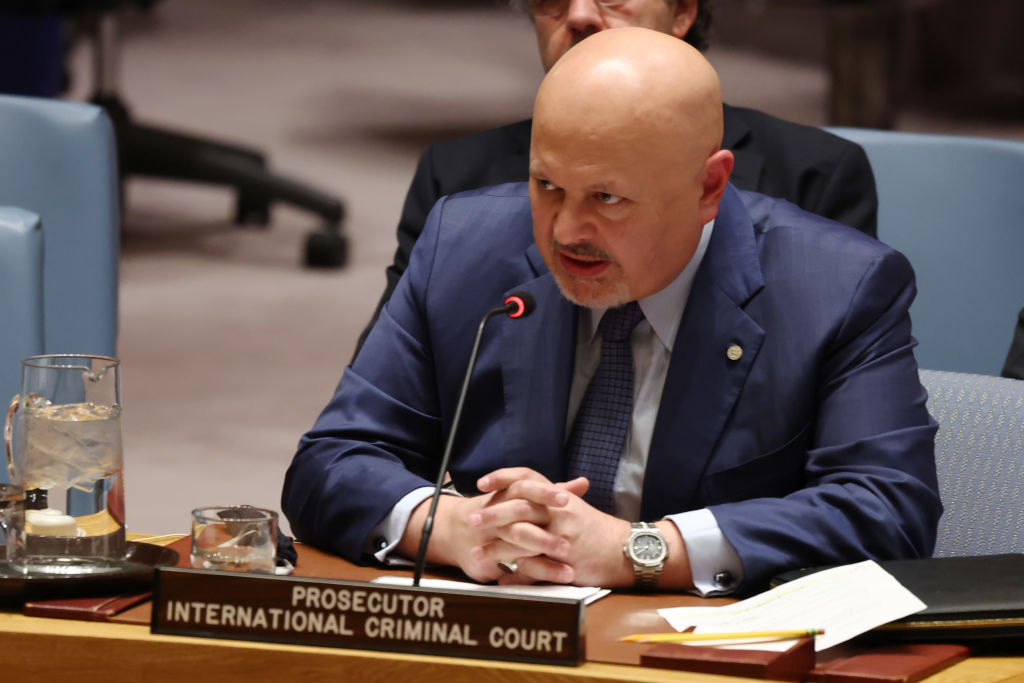

According to Brussels Signal, the suspension was announced late Monday by the ICC’s Assembly of States Parties Bureau following an 18-month investigation conducted by the UN’s Office of Internal Oversight Services.
The unprecedented move leaves some of the court’s most politically charged investigations—including those related to Ukraine, Gaza, and the Philippines—without permanent leadership at a crucial juncture.
UN investigators found evidence of non-consensual sexual contact between Khan and a female attorney on his staff. The alleged incidents reportedly took place in his office, at his private residence, and during official travel.
An independent panel of three judges was appointed to review the findings. While the panel acknowledged evidence of sexual contact without consent, it concluded the evidence did not meet the threshold for establishing serious misconduct beyond reasonable doubt.
Despite that judicial assessment, the ICC’s Bureau sided with the UN investigators and formally ruled that Khan had committed serious misconduct. The case has now been referred to the full Assembly of 125 member states, which will vote on whether to remove him permanently from office.
Khan, a British barrister who assumed the prosecutor’s role in 2021, has strongly denied all allegations and condemned the proceedings as procedurally unjust. His legal team has forcefully rejected the suspension. Khan had already voluntarily stepped aside in May 2025 while the investigation was underway.
The suspension threatens to compound delays in sensitive prosecutions already underway. Khan’s office has pursued arrest warrants against Russian President Vladimir Putin and senior Israeli officials over the Gaza conflict, among other high-profile figures.
Notably, neither Russia nor Israel recognize the court’s jurisdiction or have ratified the Rome Statute, meaning the ICC has no legal authority over their nationals or territory—a fact that has fueled ongoing criticism of the tribunal’s overreach.
Both critics and defenders of the court have warned that prolonged leadership instability further erodes the ICC’s already questionable credibility and operational capacity at a time when the institution faces intense global scrutiny.
This is the first time an ICC chief prosecutor has been formally suspended by the court’s oversight body. A special session of the Assembly of States Parties will now convene to decide Khan’s ultimate fate.
Even before this scandal broke, the ICC had faced mounting criticism over accusations of political bias, glacial proceedings, and negligible enforcement power—issues that continue to undermine its legitimacy on the world stage.
With information from Brussels Signal





