
How Will New Structures Handle Migration in Crete by 2026
Crete faces mounting migrant pressures, prompting Greece to establish secure centers in Chania and Heraklion to protect local communities and uphold national sovereignty amid ongoing regional risks.
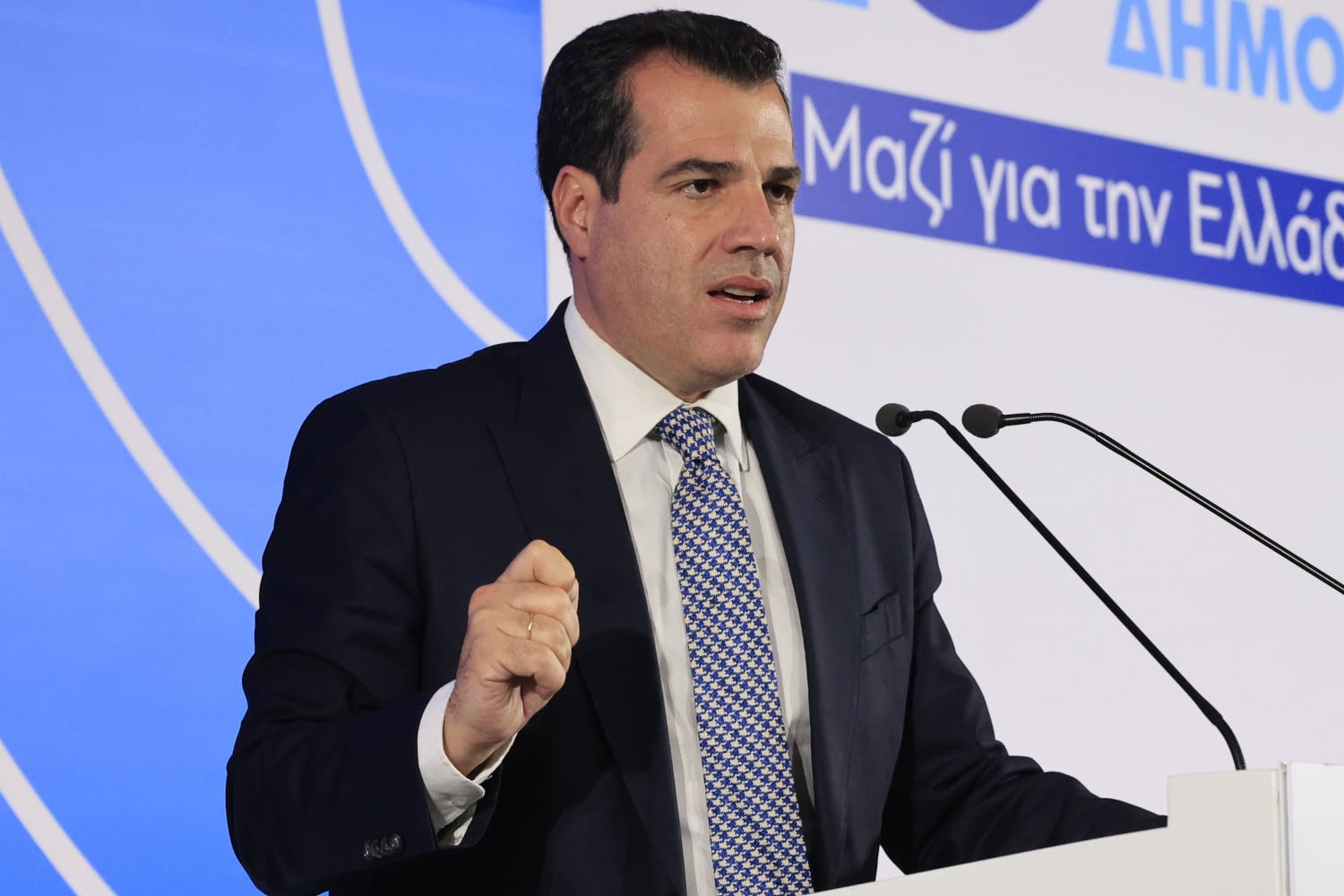

The management of migration in Crete is a critical issue that underscores the need for national sovereignty and decisive state intervention, as increased flows pose a threat to the local community and the island’s security, especially with summer approaching.
The Minister of Migration, Thanos Plevris, following a meeting on migration management in Crete, emphasized the urgent need to establish two closed centers in Chania and Heraklion. These facilities aim to promptly control and separate migrants from “refugees,” allowing for the effective implementation of deportation procedures where necessary, while also protecting local communities from additional burdens.
Despite an overall 30% decrease in migration flows nationwide compared to 2025, pressure from Libya toward Crete remains steady and concerning. The Greek government, focusing on national security and border protection, maintains a strict stance against any new increase in flows, promoting deterrent measures in cooperation with Libyan and Egyptian authorities.
What do the closed centers mean for Crete and the local communities?
The announcement of the creation and operation of closed centers in Chania and Heraklion highlights a deliberate decision by the government to support local communities by preventing the spread of illegal migrants into open facilities that often become hotspots of tension and degradation of local lifestyles.
- The site in Chania is already operating within an urban area without disturbing the community, demonstrating that such facilities can be manageable and effective.
- The site in Heraklion has been carefully selected, with particular attention to avoiding overburdening local structures and providing compensatory measures for upgrading the area’s infrastructure.
- The government seeks dialogue with local authorities and members of parliament but makes clear that the existence and operation of these facilities are not negotiable if Greece wishes to maintain its borders and social cohesion.
What is the deterrence and management strategy for flows from Libya?
The Minister of Migration stressed that Greece will not allow Crete to become a center of uncontrolled migration flows. Through cooperation with Libyan and Egyptian authorities, a comprehensive deterrence framework is being implemented:
- Monitoring and attempting to prevent boats from setting off from Libya toward Crete.
- Rapid intervention and management of arrivals, aiming for immediate resolution of their status depending on their profile (migrant or “refugee”).
- Strict adherence to asylum laws and procedures, defending national legality and sovereignty.
The government’s position clearly emphasizes the principle that the state is the sole authority responsible for managing its borders and migration policy, leaving no room for any supranational or counterproductive interference.
How does migration impact Crete’s tourism and social footprint?
Crete cannot endure the negative consequences of unplanned mass entries without guaranteed government protection.
The establishment of closed centers directly serves the interests of both the island and the entire Greek society by ensuring:
- A smooth tourist season without additional social tensions or burdens.
- Protection of local communities from the negative effects of illegal migration.
- Maintenance and enforcement of law and order and national sovereignty against irregular international pressures.
These measures demonstrate that Greece is not merely a recipient of pressures but acts responsibly and decisively, ensuring sustainable development and preservation of its historical and cultural heritage.
What does the future hold, and what is the state’s responsibility?
The strategy presented by Thanos Plevris nonetheless raises questions: Will the negative balance of arrivals versus departures ever be restored, which adversely affects the demographic crisis troubling the country and justifies the term “colonization” increasingly heard from many quarters?
Will the government finally take an active role in practice, ultimately exercising Greece’s right to control its borders, protect its citizens, and maintain social peace?
Local communities, members of parliament, and the democratic order must support this national plan while closely monitoring the government’s actions, rejecting ideological rigidities—whether from domestic actors or abroad—that would weaken efforts to deter and control migration.
Information sourced from Law & Order





