Necessary Cookies

Required for the site to function. Cannot be disabled.

Analytics Cookies

Help us understand how visitors interact with our site (Google Analytics via GTM).

Marketing Cookies

Used to track visitors and deliver personalised advertisements.

We use cookies to enhance your browsing experience and analyse site traffic. By clicking Accept All, you consent to our use of cookies. Privacy Policy
NewsFire Global
Home News Europe World Christianity Culture Wars Opinion Video
Information
About Us Authors Advertising Terms & Conditions Privacy Policy Contact
R2B Media
R2B NEWSFIRE.GR PAPAFOTIS.GR THRACTION HELLENIC CONSERVATIVES RIGHT2THEBONE YT
News World

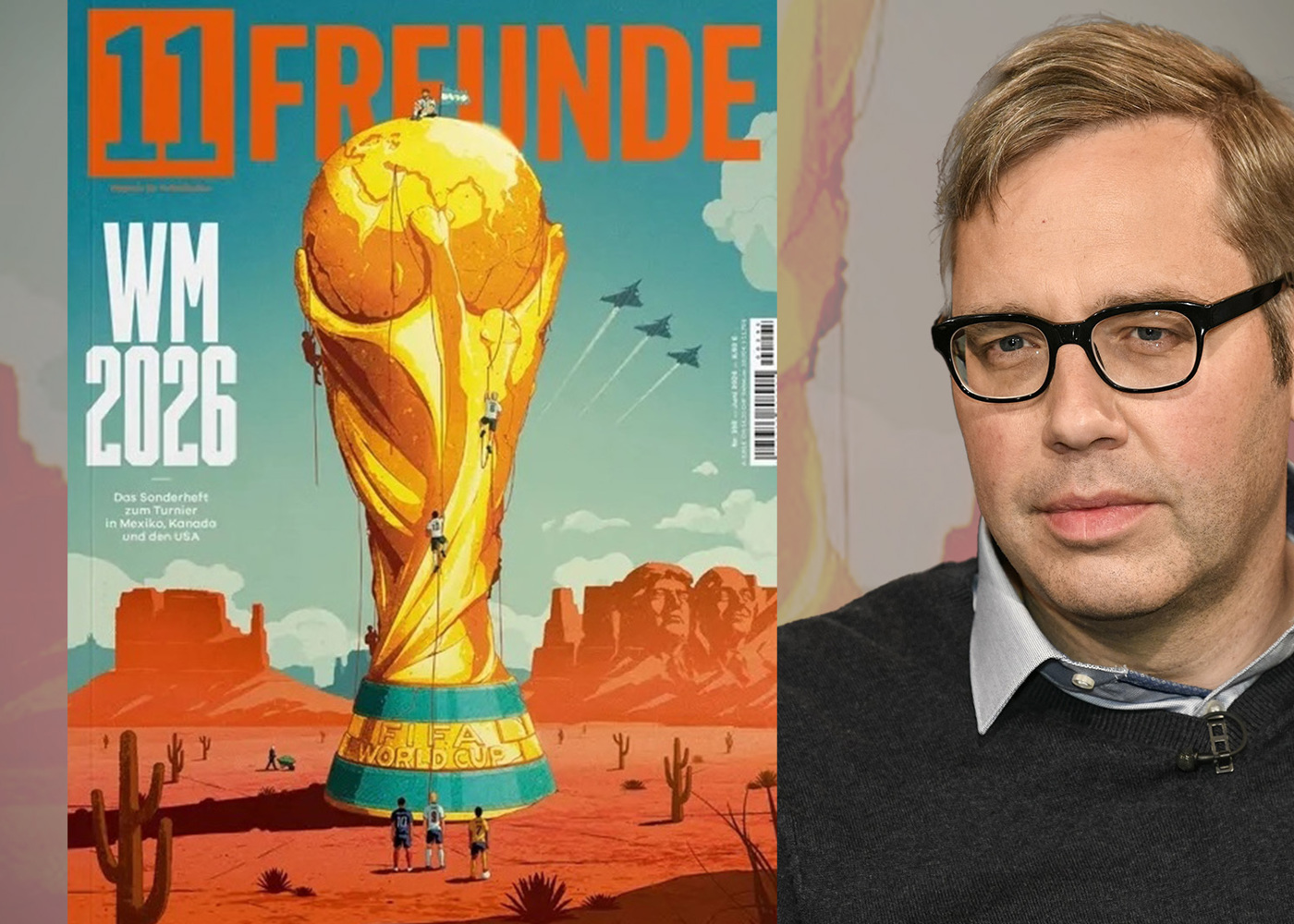
How Soccer Magazine “11 Freunde” Went From Stands to Soapbox

A German football magazine that once celebrated grassroots passion has alienated its core readers by pivoting from the sport to progressive causes like climate activism and LGBTQ advocacy.
Stefanos Banos
Stefanos Banos Staff Writer
JUNE 10, 2026 AT 2:40 PM

A once-beloved magazine celebrating football culture has transformed over two decades into a vehicle for progressive activism, alienating its core readership with relentless climate messaging, LGBTQ advocacy, and anti-capitalist rhetoric instead of focusing on the beautiful game.

When Philipp Köster and Reinaldo Coddou H. launched 11 Freunde in 2000, they created something genuinely fresh in German sports journalism. The magazine offered an alternative to the dry match reports and training camp coverage that dominated established publications like Kicker, according to Nius. Early editions featured obscure amateur clubs, eccentric fan cultures, and a humorous, accessible take on football that felt both intellectual and grounded.

The publication’s early appeal lay in its celebration of grassroots passion. Readers enjoyed stories about beer-soaked terraces, romantic fan traditions, and the simple joy of the sport. The online live ticker became particularly popular for its wit and entertainment value during matches.
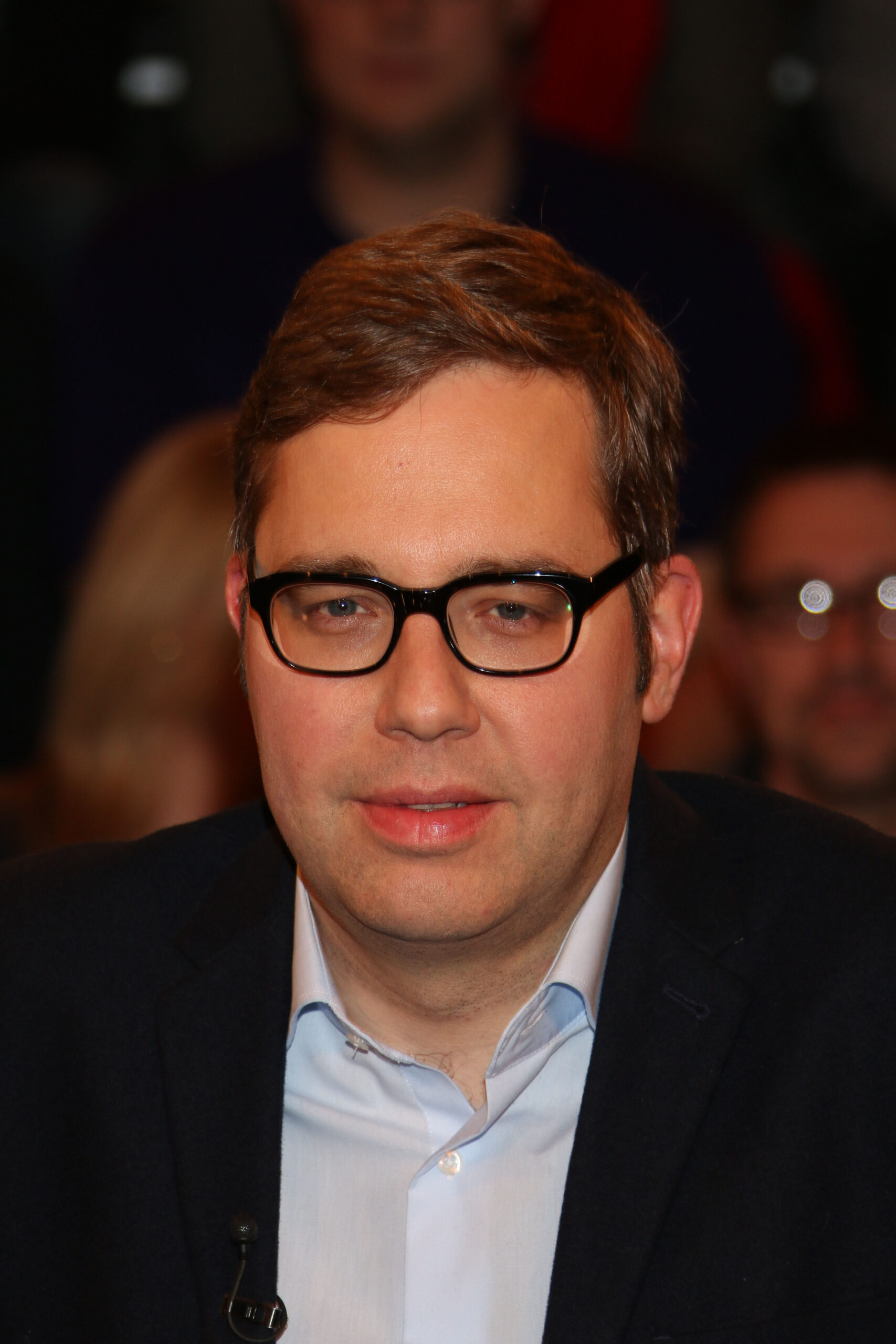
Auf stramm linkem Kurs: Chefredakteur Philipp Köster
Photo: nius.de

When the magazine addressed political issues in those early years, it focused on combating racism in stadiums—calling out hooligans who made monkey noises at black players or protesting the excessive commercialization of football. These were reasonable positions that resonated with the readership.

But the shift began slowly and accelerated through the 2010s, particularly after ownership passed to Gruner + Jahr and later to the Spiegel Group in 2003—publishing houses not known for conservative restraint. Suddenly sustainability became a regular theme, with Nius reporting that 11 Freunde began scrutinizing the carbon footprint of matchday travel, which supposedly accounts for 60 percent of emissions on game days.

The magazine started celebrating former Arsenal and Milan star Mathieu Flamini for his climate activism, comparing him favorably to Greta Thunberg. Articles examined how climate change might affect match schedules through extreme weather, and criticized Bundesliga clubs for refusing to disclose their CO2 emissions.

UN Partnership and Social Engineering

11 Freunde partnered with the United Nations campaign #17Ziele, using football as leverage for ecological and social responsibility initiatives. The collaboration included a “Trick 17” competition urging clubs to submit sustainability ideas ranging from plastic-free jerseys to solar power and social education programs.
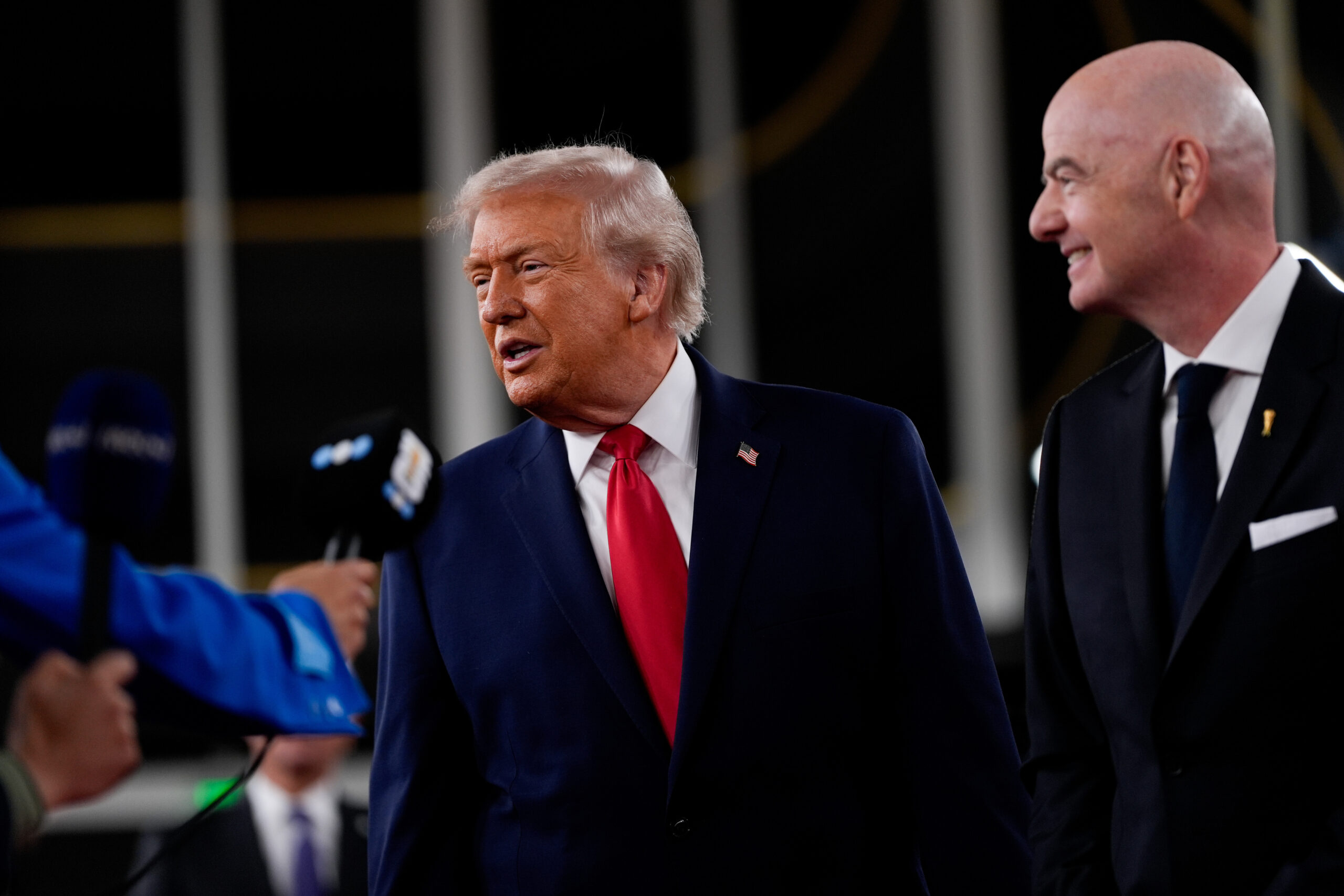
Top-Feindbilder der „11 Freunde“: Donald Trump und Gianni Infantino.
Photo: nius.de

Questions about environmentally friendly clubs like Forest Green Rovers, microplastic problems on artificial turf, and gender equality in sports suddenly dominated coverage that once focused on the drama and passion of the game itself.

Identity Politics Takes Center Stage

In 2021, the magazine launched a major LGBTQ+ campaign featuring players declaring solidarity with queer causes, with more than 800 professionals allegedly supporting these initiatives. English queer leagues received glowing coverage, while One Love armbands and rainbow displays in stadiums were celebrated extensively.

None of this aligns naturally with traditional football culture. The sport thrives on tribalism, regional identity, masculinity, and raw passion—precisely what progressive activists view with suspicion. Fans seek escape, community, and drama, not lectures about carbon emissions or gender politics. Yet they are never consulted, as Nius notes, because activists remain determined to reshape the culture from above.
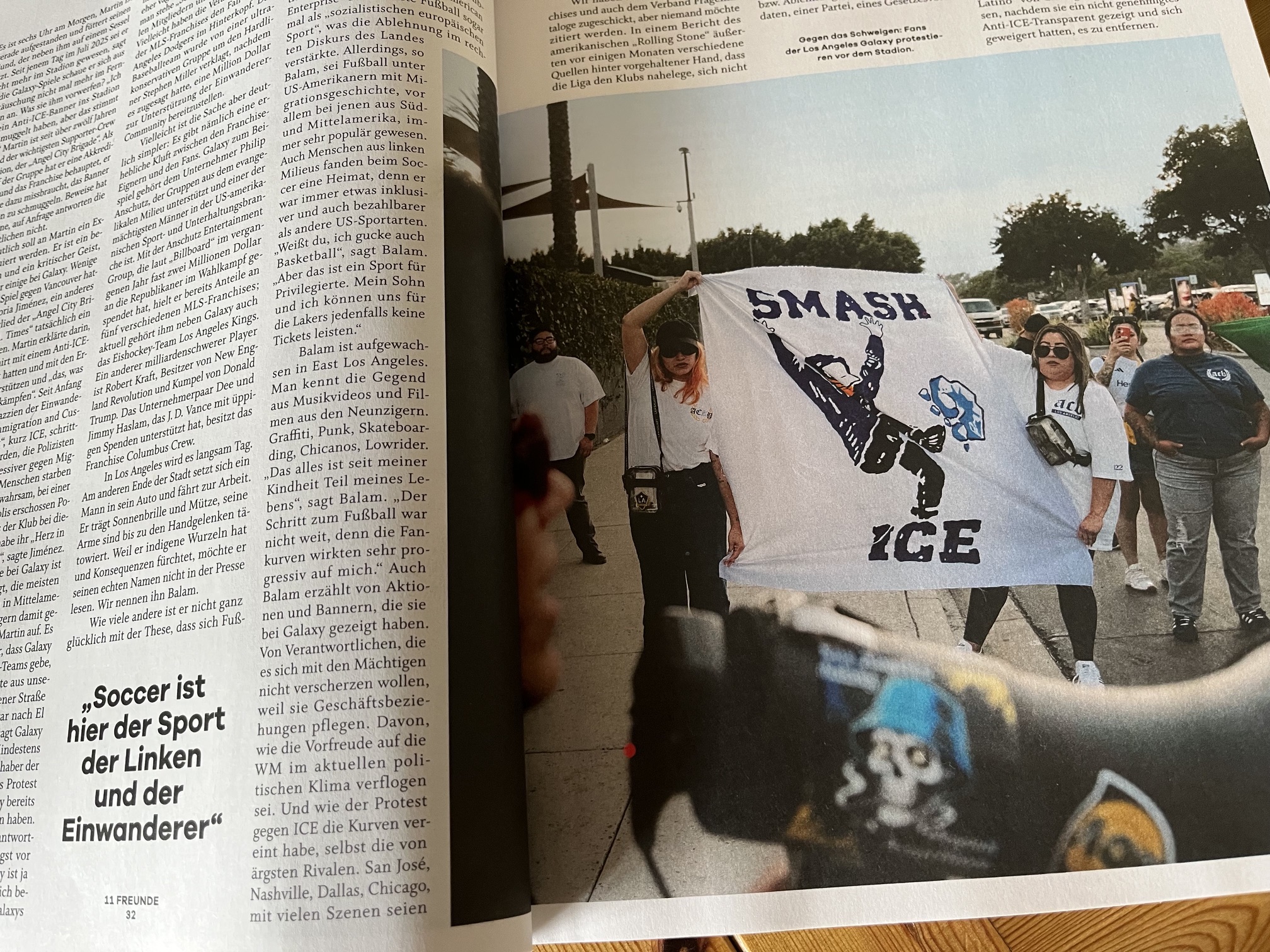
Ein Hoch auf den „Sport der Linken und der Einwanderer“!
Photo: nius.de

The stated goal is more diversity, less “toxicity,” and increased moral posturing. Left-wing ultras receive favorable treatment as long as they support the correct positions, while right-leaning fans are identified as problems requiring correction. Football becomes a battlefield for cultural hegemony—whoever controls the narrative in stadiums wins influence over broader society.

Political Agenda of the Editor

Chief editor Philipp Köster, an SPD party member, fully embraces this direction. The sports journalist argues that football is inherently political because it penetrates deeply into everyday life as a mass phenomenon. He told MDR that football has a responsibility to set an example and take political positions.

Modern football—global, commercial, and emotionally charged—serves perfectly as a vehicle for political messaging. It reaches audiences who would never read a left-wing newspaper like taz. The emotional attachment fans feel toward clubs and national teams gets exploited to demand political “positions” that have nothing to do with the sport itself.

What began as an entertaining publication celebrating football culture has become another tiresome platform pushing climate alarmism, LGBTQ activism, anti-capitalism, and endless warnings about right-wing threats. The transformation from fresh, anarchic special-interest magazine to boring mainstream activist publication took a quarter-century, but the journey is complete.

With information from Nius
Share:
Stefanos Banos
Stefanos Banos

Stefanos Banos was born in Piraeus and is an editor at NewsFire.GR, specializing in political analysis and international relations. He graduated from the Department of Communication and Media at the University of Bremen in Germany, where he also completed his Master of Arts in Communication and Media Studies. Married to Zoi, he is a proud father of three boys.

A once-beloved magazine celebrating football culture has transformed over two decades into a vehicle for progressive activism, alienating its core readership with relentless climate messaging, LGBTQ advocacy, and anti-capitalist rhetoric instead of focusing on the beautiful game.

When Philipp Köster and Reinaldo Coddou H. launched 11 Freunde in 2000, they created something genuinely fresh in German sports journalism. The magazine offered an alternative to the dry match reports and training camp coverage that dominated established publications like Kicker, according to Nius. Early editions featured obscure amateur clubs, eccentric fan cultures, and a humorous, accessible take on football that felt both intellectual and grounded.

The publication’s early appeal lay in its celebration of grassroots passion. Readers enjoyed stories about beer-soaked terraces, romantic fan traditions, and the simple joy of the sport. The online live ticker became particularly popular for its wit and entertainment value during matches.

Auf stramm linkem Kurs: Chefredakteur Philipp Köster
Photo: nius.de

When the magazine addressed political issues in those early years, it focused on combating racism in stadiums—calling out hooligans who made monkey noises at black players or protesting the excessive commercialization of football. These were reasonable positions that resonated with the readership.

But the shift began slowly and accelerated through the 2010s, particularly after ownership passed to Gruner + Jahr and later to the Spiegel Group in 2003—publishing houses not known for conservative restraint. Suddenly sustainability became a regular theme, with Nius reporting that 11 Freunde began scrutinizing the carbon footprint of matchday travel, which supposedly accounts for 60 percent of emissions on game days.

The magazine started celebrating former Arsenal and Milan star Mathieu Flamini for his climate activism, comparing him favorably to Greta Thunberg. Articles examined how climate change might affect match schedules through extreme weather, and criticized Bundesliga clubs for refusing to disclose their CO2 emissions.

UN Partnership and Social Engineering

11 Freunde partnered with the United Nations campaign #17Ziele, using football as leverage for ecological and social responsibility initiatives. The collaboration included a “Trick 17” competition urging clubs to submit sustainability ideas ranging from plastic-free jerseys to solar power and social education programs.

Top-Feindbilder der „11 Freunde“: Donald Trump und Gianni Infantino.
Photo: nius.de

Questions about environmentally friendly clubs like Forest Green Rovers, microplastic problems on artificial turf, and gender equality in sports suddenly dominated coverage that once focused on the drama and passion of the game itself.

Identity Politics Takes Center Stage

In 2021, the magazine launched a major LGBTQ+ campaign featuring players declaring solidarity with queer causes, with more than 800 professionals allegedly supporting these initiatives. English queer leagues received glowing coverage, while One Love armbands and rainbow displays in stadiums were celebrated extensively.

None of this aligns naturally with traditional football culture. The sport thrives on tribalism, regional identity, masculinity, and raw passion—precisely what progressive activists view with suspicion. Fans seek escape, community, and drama, not lectures about carbon emissions or gender politics. Yet they are never consulted, as Nius notes, because activists remain determined to reshape the culture from above.

Ein Hoch auf den „Sport der Linken und der Einwanderer“!
Photo: nius.de

The stated goal is more diversity, less “toxicity,” and increased moral posturing. Left-wing ultras receive favorable treatment as long as they support the correct positions, while right-leaning fans are identified as problems requiring correction. Football becomes a battlefield for cultural hegemony—whoever controls the narrative in stadiums wins influence over broader society.

Political Agenda of the Editor

Chief editor Philipp Köster, an SPD party member, fully embraces this direction. The sports journalist argues that football is inherently political because it penetrates deeply into everyday life as a mass phenomenon. He told MDR that football has a responsibility to set an example and take political positions.

Modern football—global, commercial, and emotionally charged—serves perfectly as a vehicle for political messaging. It reaches audiences who would never read a left-wing newspaper like taz. The emotional attachment fans feel toward clubs and national teams gets exploited to demand political “positions” that have nothing to do with the sport itself.

What began as an entertaining publication celebrating football culture has become another tiresome platform pushing climate alarmism, LGBTQ activism, anti-capitalism, and endless warnings about right-wing threats. The transformation from fresh, anarchic special-interest magazine to boring mainstream activist publication took a quarter-century, but the journey is complete.

With information from Nius