How Internet Trends Constantly Badmouth Male-Female Relationships
The "boysober" movement has women swearing off dating men due to frustrations with toxic behavior, redirecting focus to careers and friendships instead of romantic relationships.
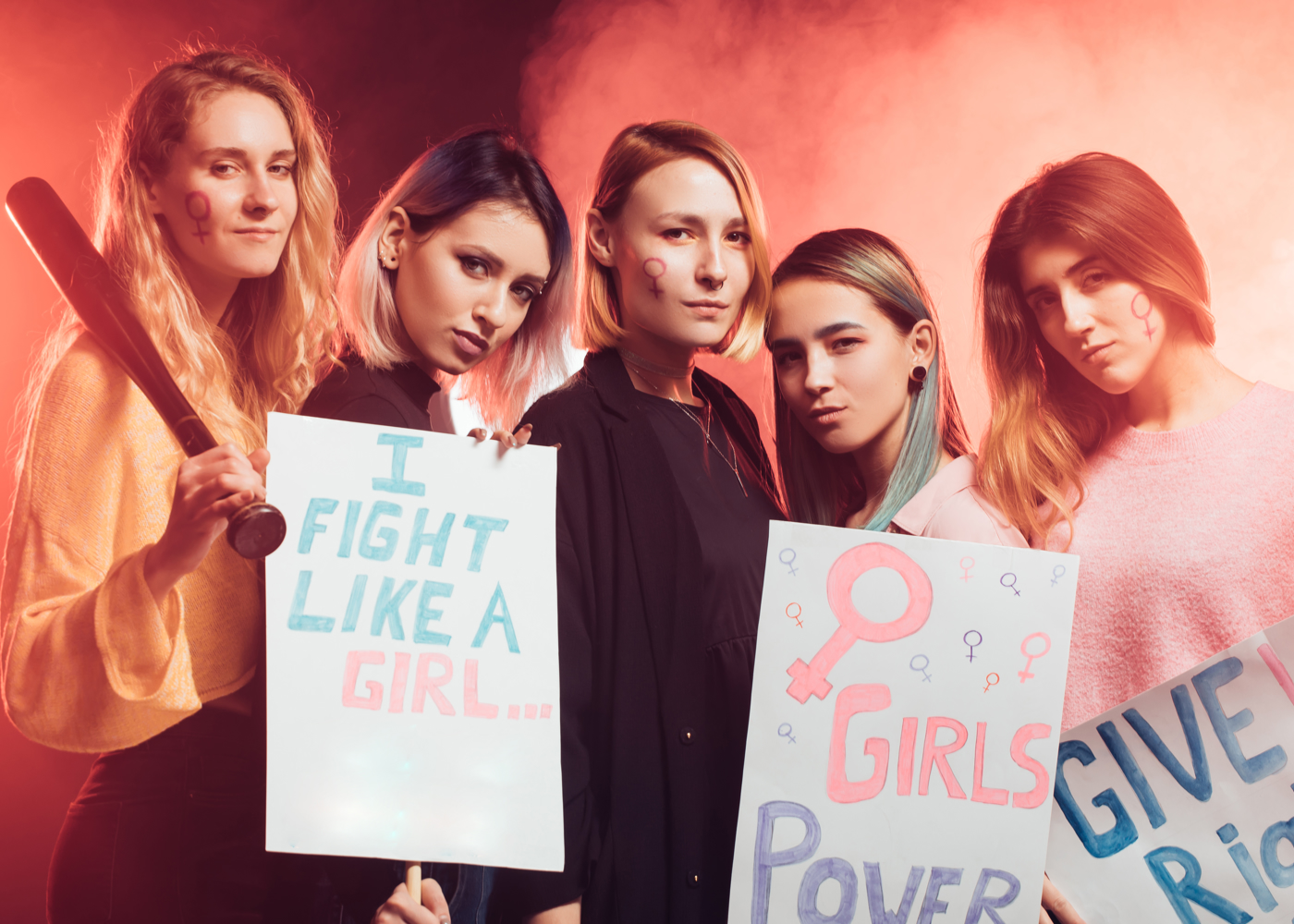

A new anti-dating movement is sweeping social media, with women declaring themselves “boysober” and swearing off romantic relationships with men entirely, according to Nius. The trend, which originated in the United States, has women blaming men for their decision to embrace voluntary celibacy and abandon the dating scene.
The phenomenon, which translates literally as “sober from boys,” represents a conscious rejection of romantic dates and relationships. Women participating in the trend cite frustration with what they describe as toxic masculine behavior, unsolicited explicit images, stalking, and ghosting as reasons for their withdrawal from the dating market.
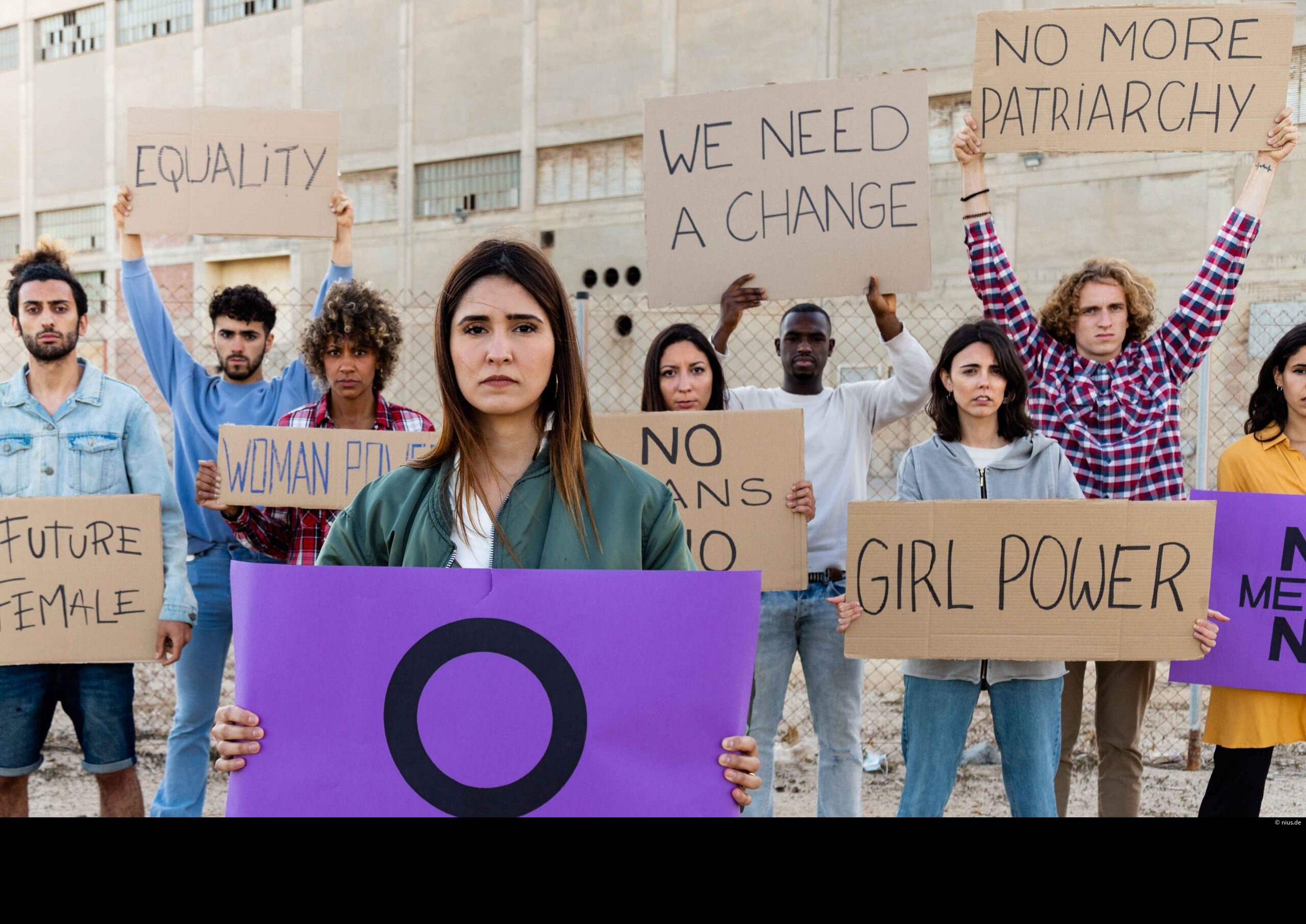
The movement was reportedly started in 2022 by American comedian Hope Woodard, whose frustration after several unsuccessful dates went viral online. Since then, the concept has evolved from a simple break from dating into what some participants frame as a necessary emotional recovery period.
According to Nius, women embracing the “boysober” lifestyle avoid dating apps, romantic rendezvous, meetings with ex-boyfriends, and sexual encounters altogether. Instead, they redirect their focus toward career advancement, friendships, health, and travel. The magazine Esquire characterizes the trend as women seeking to distance themselves from unhealthy behavioral patterns allegedly inherited from previous generations.
This framing raises questions about the sustainability of long-term relationships. The marriages of parents and grandparents, which often lasted 30, 40, or even 50 years, are now being dismissed by younger generations as potentially toxic. The reality may be that Generation Z’s expectations and unwillingness to compromise are undermining their ability to maintain lasting relationships.
From Dating Detox to Male Exploitation
The phenomenon extends beyond simple dating breaks into more radical territory within what is known as the “Femosphere,” a female counterpart to the male-dominated “Manosphere” recently featured in a Netflix documentary. In this space, according to the British Guardian, influencers like Kanika Batra provide strategic dating advice rooted in the belief that men will always hurt women and never change.
In these circles, sex is not viewed through the lens of mutual enjoyment or personal autonomy, but rather as a tool to manipulate and control men. This represents a departure from traditional feminist emphasis on sexual self-determination.
Two years ago, the “WomenInMaleFields” trend went viral, with women imitating what they characterized as typical male behavior: deliberately delaying responses to messages and asking potential partners who would stay home with children in the event of family formation. While presented as a critique of everyday discrimination, the trend comes across as deeply embittered.
Lost in Red Flags and Green Flags
Modern dating discourse has become dominated by the language of “red flags” and “green flags,” reducing complex human relationships to simplistic warning signs. The exhaustion many feel toward dating apps and matching reflects a fundamental misunderstanding: a happy relationship can only be achieved by those willing to enter one in the first place.
Esquire offers advice to confused men hoping to re-enter the dating market, suggesting they educate themselves about gender roles, feminism, and the challenges women face. Without such education, the magazine warns, relationships will remain out of reach.
The question remains whether this represents genuine social change or simply another internet-driven trend that will fade when the next dating buzzword emerges. What is clear is that the growing divide between men and women in the dating market reflects deeper cultural shifts in how younger generations approach commitment, compromise, and long-term partnership.
With information from Nius