Necessary Cookies

Required for the site to function. Cannot be disabled.

Analytics Cookies

Help us understand how visitors interact with our site (Google Analytics via GTM).

Marketing Cookies

Used to track visitors and deliver personalised advertisements.

We use cookies to enhance your browsing experience and analyse site traffic. By clicking Accept All, you consent to our use of cookies. Privacy Policy
NewsFire Global
Home News Europe World Christianity Culture Wars Opinion
Information
About Us Authors Advertising Terms & Conditions Privacy Policy Contact
R2B Media
R2B NEWSFIRE.GR PAPAFOTIS.GR THRACTION HELLENIC CONSERVATIVES RIGHT2THEBONE YT
News Europe

FDP Rebel Schäffler Slams Finance Minister: “Debt Can’t Create Growth

Former German lawmaker Frank Schäffler warns that Berlin's debt-fueled spending is pushing the country toward creeping socialism and burdening future generations with unsustainable costs.


Dimitris Papafotis
Dimitris Papafotis Editor in Chief
MAY 29, 2026 AT 7:32 AM

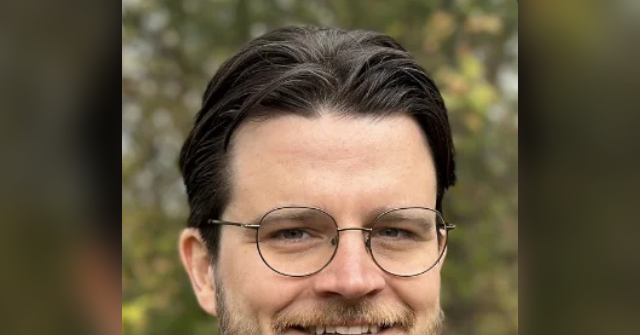
Frank Schäffler, a former Free Democratic Party representative in the Bundestag, has published a book titled “Generation Debts” that delivers a comprehensive critique of the federal government’s fiscal strategy. In an interview with Nius political editor Ralf Schuler, Schäffler took aim at the prevailing notion that Germany can invest itself out of economic stagnation through additional state borrowing.

Schäffler gilt seit der Euro-Krise als innerparteilicher Kritiker; „Die Zeit“ nannte ihn schon 2012 einen „Rebell“.
Photo: nius.de

According to Nius, Schäffler’s central argument is straightforward: debt does not generate genuine economic growth. Real expansion, he contends, comes only from unleashing economic dynamism through less government, reduced bureaucracy, and greater entrepreneurial freedom. The former parliamentarian, whom Die Zeit labeled a “rebel” as far back as 2012 during the eurozone crisis, has long been known as an internal party critic willing to challenge fiscal orthodoxy.

The Sweet Poison of Debt

Schäffler’s book focuses on the generation that will ultimately bear the cost of today’s political promises, from pensions and social programs to defense spending, infrastructure maintenance, energy policy, and aid to Ukraine. He warns that debt appears harmless at first because its consequences are not immediately felt. As he stated in the interview, debt functions as sweet poison that allows politicians to continue spending rounds before the damage becomes visible.

The bill, Schäffler argues, will be paid through inflation and financial repression, meaning loss of purchasing power, artificially low real interest rates, and gradual currency devaluation. He points to tangible evidence of Germany’s declining capital stock: crumbling bridges, failing schools, and deteriorating public infrastructure. These are symptoms, he says, of a nation becoming relatively poorer.

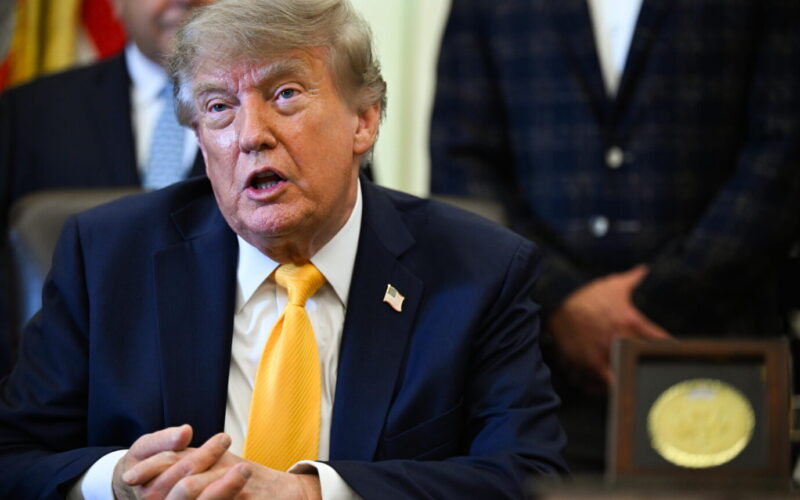
„Das Umlagesystem ist nicht zu retten“, sagt Schäffler über die Rente.
Photo: nius.de

Critique of Investment Rhetoric

Schäffler reserved particular criticism for Federal Finance Minister Lars Klingbeil, who has presented himself as an investment-focused minister. According to Nius, Schäffler views this rhetoric as the core of the problem. He argues that government spending too often flows not into productive investment but into consumption, bureaucracy, and new administrative structures.

The former lawmaker bluntly stated that the state handles money poorly. Despite high investment ratios, too little reaches areas where genuine growth could occur. With a state spending ratio exceeding 50 percent of the economy, every second euro passes through what Schäffler calls the sticky hands of government, and the results speak for themselves.

His criticism extends beyond the Social Democrats. Schäffler contends that segments of the Christian Democratic Union and the broader political establishment share the mistaken belief that prosperity can be manufactured through additional borrowing. His counterargument is clear: wealth comes not from expanding the state but from expanding freedom.

Call for Radical Downsizing

Schäffler describes Germany’s trajectory as dangerous, characterizing a state spending ratio above 50 percent as a path toward creeping socialism. He holds up Switzerland as an alternative model, with its lower state expenditure, stricter debt limits, and greater emphasis on personal responsibility.

Germany must significantly slim down its government apparatus, Schäffler argues. Sixteen federal ministries are not essential, and the number of parliamentary representatives could be reduced. If the state wants to credibly demand reforms from others, he insists, it must begin by reforming itself.

On the pension system, Schäffler offered an equally blunt assessment reported by Nius: The pay-as-you-go system cannot be saved.

The full interview is available on the Nius platform, where Schäffler elaborates on his vision for fiscal discipline and economic liberalization as alternatives to what he views as Germany’s current path of debt accumulation and state expansion.

With information from Nius
Share:
Dimitris Papafotis
Dimitris Papafotis

Dimitris Papafotis is the editor-in-chief of NewsFire.GR. He was born and raised in Athens. He studied at the Journalism Workshop (1991-1993). He currently lives in Pyrgos, Ilia, where he has been active in radio and various newspapers, while also maintaining his personal blog, Papafotis.gr.

Frank Schäffler, a former Free Democratic Party representative in the Bundestag, has published a book titled “Generation Debts” that delivers a comprehensive critique of the federal government’s fiscal strategy. In an interview with Nius political editor Ralf Schuler, Schäffler took aim at the prevailing notion that Germany can invest itself out of economic stagnation through additional state borrowing.

Schäffler gilt seit der Euro-Krise als innerparteilicher Kritiker; „Die Zeit“ nannte ihn schon 2012 einen „Rebell“.
Photo: nius.de

According to Nius, Schäffler’s central argument is straightforward: debt does not generate genuine economic growth. Real expansion, he contends, comes only from unleashing economic dynamism through less government, reduced bureaucracy, and greater entrepreneurial freedom. The former parliamentarian, whom Die Zeit labeled a “rebel” as far back as 2012 during the eurozone crisis, has long been known as an internal party critic willing to challenge fiscal orthodoxy.

The Sweet Poison of Debt

Schäffler’s book focuses on the generation that will ultimately bear the cost of today’s political promises, from pensions and social programs to defense spending, infrastructure maintenance, energy policy, and aid to Ukraine. He warns that debt appears harmless at first because its consequences are not immediately felt. As he stated in the interview, debt functions as sweet poison that allows politicians to continue spending rounds before the damage becomes visible.

The bill, Schäffler argues, will be paid through inflation and financial repression, meaning loss of purchasing power, artificially low real interest rates, and gradual currency devaluation. He points to tangible evidence of Germany’s declining capital stock: crumbling bridges, failing schools, and deteriorating public infrastructure. These are symptoms, he says, of a nation becoming relatively poorer.

„Das Umlagesystem ist nicht zu retten“, sagt Schäffler über die Rente.
Photo: nius.de

Critique of Investment Rhetoric

Schäffler reserved particular criticism for Federal Finance Minister Lars Klingbeil, who has presented himself as an investment-focused minister. According to Nius, Schäffler views this rhetoric as the core of the problem. He argues that government spending too often flows not into productive investment but into consumption, bureaucracy, and new administrative structures.

The former lawmaker bluntly stated that the state handles money poorly. Despite high investment ratios, too little reaches areas where genuine growth could occur. With a state spending ratio exceeding 50 percent of the economy, every second euro passes through what Schäffler calls the sticky hands of government, and the results speak for themselves.

His criticism extends beyond the Social Democrats. Schäffler contends that segments of the Christian Democratic Union and the broader political establishment share the mistaken belief that prosperity can be manufactured through additional borrowing. His counterargument is clear: wealth comes not from expanding the state but from expanding freedom.

Call for Radical Downsizing

Schäffler describes Germany’s trajectory as dangerous, characterizing a state spending ratio above 50 percent as a path toward creeping socialism. He holds up Switzerland as an alternative model, with its lower state expenditure, stricter debt limits, and greater emphasis on personal responsibility.

Germany must significantly slim down its government apparatus, Schäffler argues. Sixteen federal ministries are not essential, and the number of parliamentary representatives could be reduced. If the state wants to credibly demand reforms from others, he insists, it must begin by reforming itself.

On the pension system, Schäffler offered an equally blunt assessment reported by Nius: The pay-as-you-go system cannot be saved.

The full interview is available on the Nius platform, where Schäffler elaborates on his vision for fiscal discipline and economic liberalization as alternatives to what he views as Germany’s current path of debt accumulation and state expansion.

With information from Nius