Necessary Cookies

Required for the site to function. Cannot be disabled.

Analytics Cookies

Help us understand how visitors interact with our site (Google Analytics via GTM).

Marketing Cookies

Used to track visitors and deliver personalised advertisements.

We use cookies to enhance your browsing experience and analyse site traffic. By clicking Accept All, you consent to our use of cookies. Privacy Policy
NewsFire Global
Home News Europe World Christianity Culture Wars Opinion Video
Information
About Us Authors Advertising Terms & Conditions Privacy Policy Contact
R2B Media
R2B NEWSFIRE.GR PAPAFOTIS.GR THRACTION HELLENIC CONSERVATIVES RIGHT2THEBONE YT
News Europe

EU Slaps Google with €890M Fine, Risks US Backlash

The European Union fined Google €890 million for favoring its own services and restricting app developers, marking the largest penalty under the Digital Markets Act amid rising transatlantic tensions.

Dimitris Papafotis
Dimitris Papafotis Editor in Chief
JULY 23, 2026 AT 7:36 PM

The European Union has imposed €890 million in fines against Google in a decision that threatens to reignite transatlantic tensions just days before the first anniversary of a fragile tariff truce between Washington and Brussels.

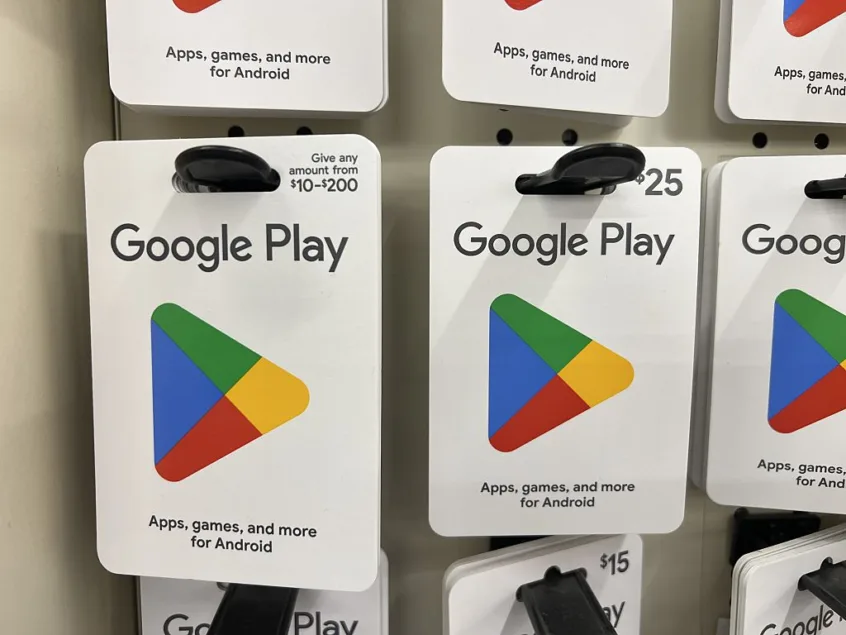
According to Brussels Signal, the EU handed down two separate penalties to the American tech giant on Thursday. The first fine of €460 million targets Google for allegedly giving preferential treatment to its own services—such as Google Flights and Google Hotels—over competitors in search results. The second penalty of €430 million concerns restrictions Google placed on app developers, preventing them from displaying offers to consumers outside the Google Play store free of charge.

Henna Virkkunen, the EU’s tech chief, said the decision aims to ensure more competition and enable other companies to innovate. A senior EU official acknowledged that Google continued to favor its own services, though the second fine specifically covered a period from March 2024 to December 2025.

Google Fights Back Against Brussels

Google has sharply criticized the EU’s enforcement actions, with Kent Walker, the company’s head of global affairs, accusing Brussels of dismantling safety protections on Google Play. Walker argued that regulation should improve products rather than degrade them, and complained that the EU was forcing Google to remove real-time search features Europeans value, including instant pricing and direct availability for hotels, flights, and restaurants.

The combined penalties represent the largest fine imposed on a single company under the Digital Markets Act (DMA), which came into effect in 2024. The law aims to curb what Brussels views as Big Tech excesses and promote fair competition in the digital marketplace. Previously, the EU levied fines of €200 million against Meta and €500 million against Apple in 2025 under the same legislation.

Washington Tension Looms

The timing of these fines is politically sensitive. President Donald Trump‘s administration has repeatedly accused the European Union of unfairly targeting American technology companies and has threatened retaliatory tariffs. The penalties arrive just before the one-year mark of a tariff agreement that temporarily eased trade friction between the two economic powers.

EU competition chief Teresa Ribera defended the action, stating that the best products should succeed based on merit rather than because they are owned by the company operating the search engine. The European Commission warned that fines could increase if Google fails to comply within 60 days, threatening periodic penalty payments.

The fines represent 0.22 percent of Google’s global turnover, though the DMA allows Brussels to impose penalties up to 10 percent of a company’s total worldwide revenue for violations.

Pattern of EU Enforcement

Google is well-acquainted with European regulatory action. Between 2017 and 2019, the company faced fines totaling €8.2 billion from Brussels. Last September, the EU imposed an additional €2.95 billion fine under separate antitrust rules, prompting threats of retaliation from Trump.

Despite potential American pushback, EU officials appeared unfazed on Thursday. Ribera told reporters that the EU’s duty is to ensure regulations adopted by its sovereign institutions are fully enforced and respected. She noted that similar cases exist in the United States, where American authorities are pursuing comparable approaches.

Some 25 Republican lawmakers wrote to President Trump on Tuesday urging him to deploy trade investigation tools against what they characterized as the EU’s discriminatory digital rules—measures that could lead to higher levies on European goods.

Virkkunen emphasized that Europe would not waver in its enforcement efforts, insisting that Brussels remains committed to its regulatory framework. While the EU and United States agreed this year to address digital rule frictions through negotiations, those talks have yet to commence.

Critics of the EU’s approach argue that the regulations are making popular services worse for European consumers. The enforcement actions raise questions about whether Brussels is prioritizing regulatory ideology over practical user experience as transatlantic commercial relations remain fragile.

With information from Brussels Signal

Share:
Dimitris Papafotis
Dimitris Papafotis

Dimitris Papafotis is the editor-in-chief of NewsFire.GR. He was born and raised in Athens. He studied at the Journalism Workshop (1991-1993). He currently lives in Pyrgos, Ilia, where he has been active in radio and various newspapers, while also maintaining his personal blog, Papafotis.gr.

The European Union has imposed €890 million in fines against Google in a decision that threatens to reignite transatlantic tensions just days before the first anniversary of a fragile tariff truce between Washington and Brussels.

According to Brussels Signal, the EU handed down two separate penalties to the American tech giant on Thursday. The first fine of €460 million targets Google for allegedly giving preferential treatment to its own services—such as Google Flights and Google Hotels—over competitors in search results. The second penalty of €430 million concerns restrictions Google placed on app developers, preventing them from displaying offers to consumers outside the Google Play store free of charge.

Henna Virkkunen, the EU’s tech chief, said the decision aims to ensure more competition and enable other companies to innovate. A senior EU official acknowledged that Google continued to favor its own services, though the second fine specifically covered a period from March 2024 to December 2025.

Google Fights Back Against Brussels

Google has sharply criticized the EU’s enforcement actions, with Kent Walker, the company’s head of global affairs, accusing Brussels of dismantling safety protections on Google Play. Walker argued that regulation should improve products rather than degrade them, and complained that the EU was forcing Google to remove real-time search features Europeans value, including instant pricing and direct availability for hotels, flights, and restaurants.

The combined penalties represent the largest fine imposed on a single company under the Digital Markets Act (DMA), which came into effect in 2024. The law aims to curb what Brussels views as Big Tech excesses and promote fair competition in the digital marketplace. Previously, the EU levied fines of €200 million against Meta and €500 million against Apple in 2025 under the same legislation.

Washington Tension Looms

The timing of these fines is politically sensitive. President Donald Trump‘s administration has repeatedly accused the European Union of unfairly targeting American technology companies and has threatened retaliatory tariffs. The penalties arrive just before the one-year mark of a tariff agreement that temporarily eased trade friction between the two economic powers.

EU competition chief Teresa Ribera defended the action, stating that the best products should succeed based on merit rather than because they are owned by the company operating the search engine. The European Commission warned that fines could increase if Google fails to comply within 60 days, threatening periodic penalty payments.

The fines represent 0.22 percent of Google’s global turnover, though the DMA allows Brussels to impose penalties up to 10 percent of a company’s total worldwide revenue for violations.

Pattern of EU Enforcement

Google is well-acquainted with European regulatory action. Between 2017 and 2019, the company faced fines totaling €8.2 billion from Brussels. Last September, the EU imposed an additional €2.95 billion fine under separate antitrust rules, prompting threats of retaliation from Trump.

Despite potential American pushback, EU officials appeared unfazed on Thursday. Ribera told reporters that the EU’s duty is to ensure regulations adopted by its sovereign institutions are fully enforced and respected. She noted that similar cases exist in the United States, where American authorities are pursuing comparable approaches.

Some 25 Republican lawmakers wrote to President Trump on Tuesday urging him to deploy trade investigation tools against what they characterized as the EU’s discriminatory digital rules—measures that could lead to higher levies on European goods.

Virkkunen emphasized that Europe would not waver in its enforcement efforts, insisting that Brussels remains committed to its regulatory framework. While the EU and United States agreed this year to address digital rule frictions through negotiations, those talks have yet to commence.

Critics of the EU’s approach argue that the regulations are making popular services worse for European consumers. The enforcement actions raise questions about whether Brussels is prioritizing regulatory ideology over practical user experience as transatlantic commercial relations remain fragile.

With information from Brussels Signal