
Does the Planet Still Have a Chance to Survive?
Western and Central Europe face unprecedented wildfire devastation this summer, confirming scientific warnings that climate change is transforming the Mediterranean into an increasingly combustible zone.
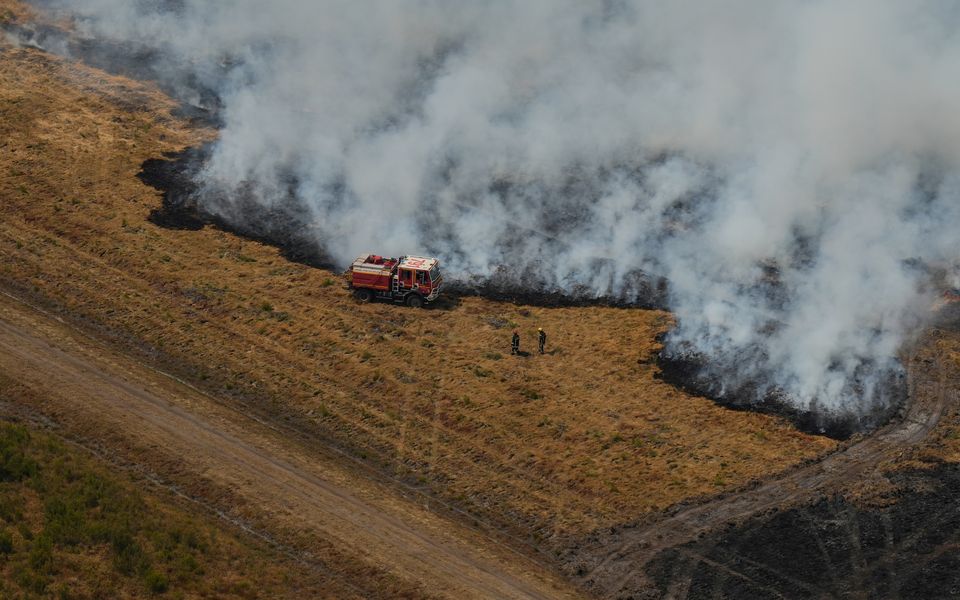

In 2021, the UN’s Intergovernmental Panel on Climate Change issued an explicit warning that weather conditions favorable to major wildfires would become progressively more frequent and widespread throughout the Mediterranean region during the 21st century. The primary culprit identified was global warming, which is amplifying extreme heat events and generating conditions that dramatically elevate wildfire risks.
The summer of 2026 has provided stark vindication of that forecast. A sustained heat wave contributed to Europe recording its hottest June on record. As temperature records continue to shatter, ecosystems are being driven to breaking point, while severe drought is converting entire landscapes into potential wildfire zones.
In the French city of Bordeaux, temperatures have soared to 42 degrees Celsius on multiple occasions from early June through late July, with readings surpassing 35 degrees on a total of 20 separate days. The unrelenting heat has created optimal conditions for the massive wildfires now ravaging France and Spain.
France has already documented its largest burned area in two decades this year. Meteorological experts are forecasting another incoming heat wave, while wildfire specialists warn that fire activity could persist through November—an alarming extension of what was traditionally considered the fire season.
The crisis extends far beyond Europe’s borders. In Canada, more than 800 wildfires were actively burning last week. The toxic smoke generated by these fires has sparked an unexpected diplomatic confrontation with the United States, after President Donald Trump threatened the Canadian government with additional tariffs, accusing Ottawa of contributing to air pollution affecting northern American states.
While the trade dispute may reflect the unpredictable nature of the Trump administration’s diplomatic approach, it underscores a troubling reality: as wildfires escalate in both magnitude and frequency, they are increasingly becoming a potential source of international tensions and cross-border conflicts.
The climate crisis has definitively moved from the realm of future projections to present-day reality. Europe, which scientific data shows is warming faster than any other continent, faces an urgent imperative to implement decisive action as extreme weather phenomena become both more common and more severe.
The fires consuming French and Spanish forests are destroying not only natural ecosystems but displacing entire communities, offering the world a real-time demonstration of the consequences of a changing climate. The question confronting European policymakers is no longer whether action is needed, but whether meaningful intervention remains possible before the window for effective response closes entirely.
With information from Kathimerini (EN)





