
Democrats Are Optimistic, Republicans Hold Hope
The November midterms could shift U.S. power as Democrats gain ground, with a potential House takeover threatening Trump's agenda amid war-driven economic woes and voter discontent.
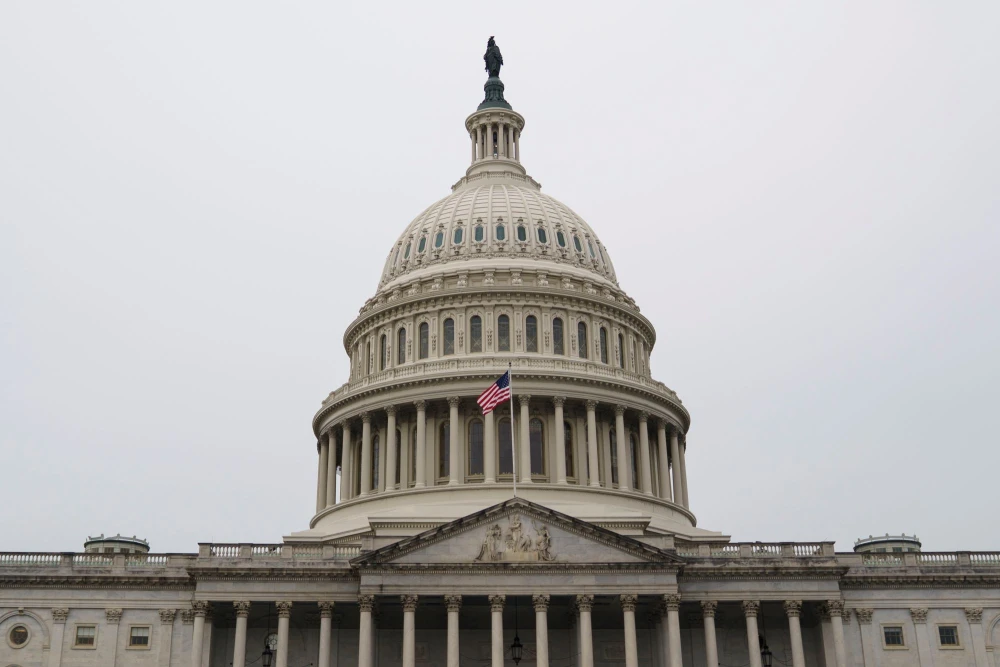

The November midterm elections are critical for the political balance in the United States. Republicans currently control both chambers (217-213 in the House and 53-47 in the Senate), but recent data show signs of a turnaround.
Democrats hold a clear lead for retaking the House, while the balance in the Senate hangs by a thread. According to the latest figures, Democrats lead the popular vote by 6 percentage points, the highest so far this year.
In the betting markets, Democrats have a 79%-83% chance of winning the House, while the Senate contest is tight (about 50%-56% in favor of the Republicans). The distance that T. Fetterman is pulling away from his Democratic opponents could prove decisive.
The stakes of the elections are enormous. In a second Trump term, Congress will determine the advance of legislation on the economy, immigration, and foreign policy. A Democratic House would serve as a strong check, while any loss of the Senate would drastically limit executive power.
Historically, the president’s party loses seats in midterm elections. Since the start of the war in Iran, polling has shown steady pressure. Immediately after the airstrikes, approval for Trump’s policy fell to 34%-37% (historic lows), while 61%-66% of Americans disapprove of the involvement and handling of the war.
The disruption of shipping through the Strait of Hormuz and the surge in gasoline prices have heightened concerns about the cost of living, the most pressing issue for voters.
Republicans hope for a quick end to the war and economic recovery, but so far the war has served as a catalyst for the opposition. The 2026 midterms will be decided by whether the “Iran burden” remains or diminishes by November.





