Necessary Cookies

Required for the site to function. Cannot be disabled.

Analytics Cookies

Help us understand how visitors interact with our site (Google Analytics via GTM).

Marketing Cookies

Used to track visitors and deliver personalised advertisements.

We use cookies to enhance your browsing experience and analyse site traffic. By clicking Accept All, you consent to our use of cookies. Privacy Policy
NewsFire Global
Home News Europe World Christianity Culture Wars Opinion Video
Information
About Us Authors Advertising Terms & Conditions Privacy Policy Contact
R2B Media
R2B NEWSFIRE.GR PAPAFOTIS.GR THRACTION HELLENIC CONSERVATIVES RIGHT2THEBONE YT
News Europe

Cyprus Urged to View GSI as Strategic Asset, Not Cost

Cyprus has a unique opportunity to transform from an electrically isolated island into a major Eastern Mediterranean energy hub through the Great Sea Interconnector, but must focus on long-term strategic value over immediate costs.

Dimitris Papafotis
Dimitris Papafotis Editor in Chief
AUGUST 21, 2026 AT 3:35 PM

Andreas Poullikkas, a professor of energy systems at Frederick University and former chairman of the Cyprus Energy Regulatory Authority, argues in Cyprus Mail that the debate surrounding the Cyprus-Greece interconnector has become too narrowly focused on its financial burden, particularly the contribution required from the Republic of Cyprus.

While legitimate scrutiny of such a major investment is warranted, Poullikkas contends that cost considerations alone cannot determine the project’s strategic importance for the island nation’s energy future.

The critical question facing Cyprus is whether the country wants to remain electrically isolated or leverage its geographical position to become a strategic energy hub in the Eastern Mediterranean, Poullikkas stated.

Under the current agreement between the Cypriot and Greek governments, Cyprus’s financial obligation stands at €50 million. However, Poullikkas maintains that presenting this sum solely as another financial burden represents an excessively narrow assessment of the project’s true value.

The correct way to assess a major energy infrastructure project cannot be to ask how much we are paying today, he said, emphasizing that the focus must be on what Cyprus is acquiring for the coming decades.

Strategic Infrastructure, Not Just a Cable

Cyprus remains the only European Union member state not connected to the European electricity network, operating essentially as an isolated system. According to Poullikkas, this isolation carries significant economic and technical costs, environmental consequences, and most critically, energy security risks.

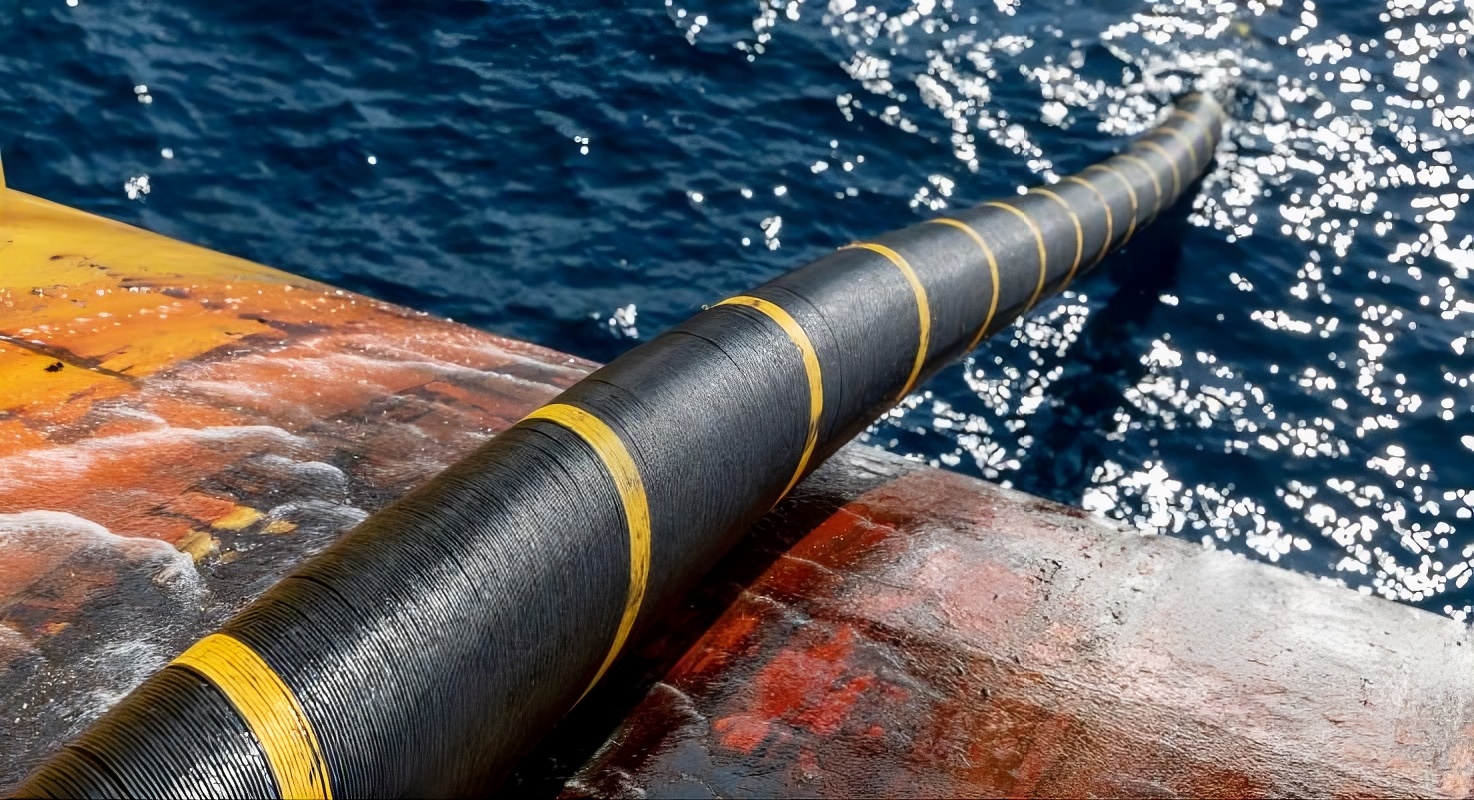
The Great Sea Interconnector should therefore be viewed not simply as an undersea cable, but as infrastructure capable of fundamentally changing the structure of Cyprus’s electricity system, he emphasized.

The EU has explicitly recognized that Cyprus’s electrical isolation makes integration into the internal electricity market more difficult and limits the country’s ability to incorporate greater amounts of renewable energy. Brussels considers the interconnector a project that can help end Cyprus’s electrical isolation while contributing to decarbonization and the resilience of the wider European energy system.

Future Energy Demands

The importance of the interconnector will only grow as Cyprus’s energy system evolves toward 2040 and 2050, Poullikkas noted. Electric vehicles are expected to increase electricity demand substantially, while the electrification of heating and cooling will alter consumption patterns significantly.

Energy storage will take on a central role, while renewable energy penetration is expected to continue rising. New applications such as green hydrogen production could create additional electricity demand while opening new opportunities for energy exports.

Poullikkas compared storage and interconnection as two complementary forms of flexibility, with storage allowing energy to be moved between different points in time and interconnectors allowing it to be moved between geographical areas. The greater the share of renewables in the electricity system, the more valuable this flexibility becomes.

Private Sector Confidence and Geopolitical Significance

The recent entry of French company Meridiam as majority shareholder in Great Sea Interconnector represents a sign of confidence in the project’s strategic value and creates better conditions for its financial and technical development, according to Poullikkas.

The project is also taking on a broader geopolitical dimension. An amendment examined by the US Senate Foreign Relations Committee under the Eastern Mediterranean Gateway Act explicitly identifies the Great Sea Interconnector as critical energy infrastructure for European energy security and as a potential backbone linking India, the Middle East, and Europe through the Eastern Mediterranean.

This reference indicates that the interconnector is increasingly being considered within a wider international discussion on security, connectivity, and the India-Middle East-Europe Economic Corridor, Poullikkas noted.

The professor stressed that while every euro of public spending should be scrutinized and major investments must be subject to transparency and accountability, there is a crucial distinction between rigorous scrutiny of an investment and failing to consider its broader strategic implications for Cyprus’s energy independence and regional standing.

With information from Cyprus Mail

Share:
Dimitris Papafotis
Dimitris Papafotis

Dimitris Papafotis is the editor-in-chief of NewsFire.GR. He was born and raised in Athens. He studied at the Journalism Workshop (1991-1993). He currently lives in Pyrgos, Ilia, where he has been active in radio and various newspapers, while also maintaining his personal blog, Papafotis.gr.

Andreas Poullikkas, a professor of energy systems at Frederick University and former chairman of the Cyprus Energy Regulatory Authority, argues in Cyprus Mail that the debate surrounding the Cyprus-Greece interconnector has become too narrowly focused on its financial burden, particularly the contribution required from the Republic of Cyprus.

While legitimate scrutiny of such a major investment is warranted, Poullikkas contends that cost considerations alone cannot determine the project’s strategic importance for the island nation’s energy future.

The critical question facing Cyprus is whether the country wants to remain electrically isolated or leverage its geographical position to become a strategic energy hub in the Eastern Mediterranean, Poullikkas stated.

Under the current agreement between the Cypriot and Greek governments, Cyprus’s financial obligation stands at €50 million. However, Poullikkas maintains that presenting this sum solely as another financial burden represents an excessively narrow assessment of the project’s true value.

The correct way to assess a major energy infrastructure project cannot be to ask how much we are paying today, he said, emphasizing that the focus must be on what Cyprus is acquiring for the coming decades.

Strategic Infrastructure, Not Just a Cable

Cyprus remains the only European Union member state not connected to the European electricity network, operating essentially as an isolated system. According to Poullikkas, this isolation carries significant economic and technical costs, environmental consequences, and most critically, energy security risks.

The Great Sea Interconnector should therefore be viewed not simply as an undersea cable, but as infrastructure capable of fundamentally changing the structure of Cyprus’s electricity system, he emphasized.

The EU has explicitly recognized that Cyprus’s electrical isolation makes integration into the internal electricity market more difficult and limits the country’s ability to incorporate greater amounts of renewable energy. Brussels considers the interconnector a project that can help end Cyprus’s electrical isolation while contributing to decarbonization and the resilience of the wider European energy system.

Future Energy Demands

The importance of the interconnector will only grow as Cyprus’s energy system evolves toward 2040 and 2050, Poullikkas noted. Electric vehicles are expected to increase electricity demand substantially, while the electrification of heating and cooling will alter consumption patterns significantly.

Energy storage will take on a central role, while renewable energy penetration is expected to continue rising. New applications such as green hydrogen production could create additional electricity demand while opening new opportunities for energy exports.

Poullikkas compared storage and interconnection as two complementary forms of flexibility, with storage allowing energy to be moved between different points in time and interconnectors allowing it to be moved between geographical areas. The greater the share of renewables in the electricity system, the more valuable this flexibility becomes.

Private Sector Confidence and Geopolitical Significance

The recent entry of French company Meridiam as majority shareholder in Great Sea Interconnector represents a sign of confidence in the project’s strategic value and creates better conditions for its financial and technical development, according to Poullikkas.

The project is also taking on a broader geopolitical dimension. An amendment examined by the US Senate Foreign Relations Committee under the Eastern Mediterranean Gateway Act explicitly identifies the Great Sea Interconnector as critical energy infrastructure for European energy security and as a potential backbone linking India, the Middle East, and Europe through the Eastern Mediterranean.

This reference indicates that the interconnector is increasingly being considered within a wider international discussion on security, connectivity, and the India-Middle East-Europe Economic Corridor, Poullikkas noted.

The professor stressed that while every euro of public spending should be scrutinized and major investments must be subject to transparency and accountability, there is a crucial distinction between rigorous scrutiny of an investment and failing to consider its broader strategic implications for Cyprus’s energy independence and regional standing.

With information from Cyprus Mail

