
Cyprus President Announces Breakthrough in Isaac, Solomou Case
Cyprus President Nikos Christodoulides says authorities are pursuing developments in the 1996 buffer zone murders of Greek Cypriots Tasos Isaac and Solomos Solomou but will not discuss details publicly.
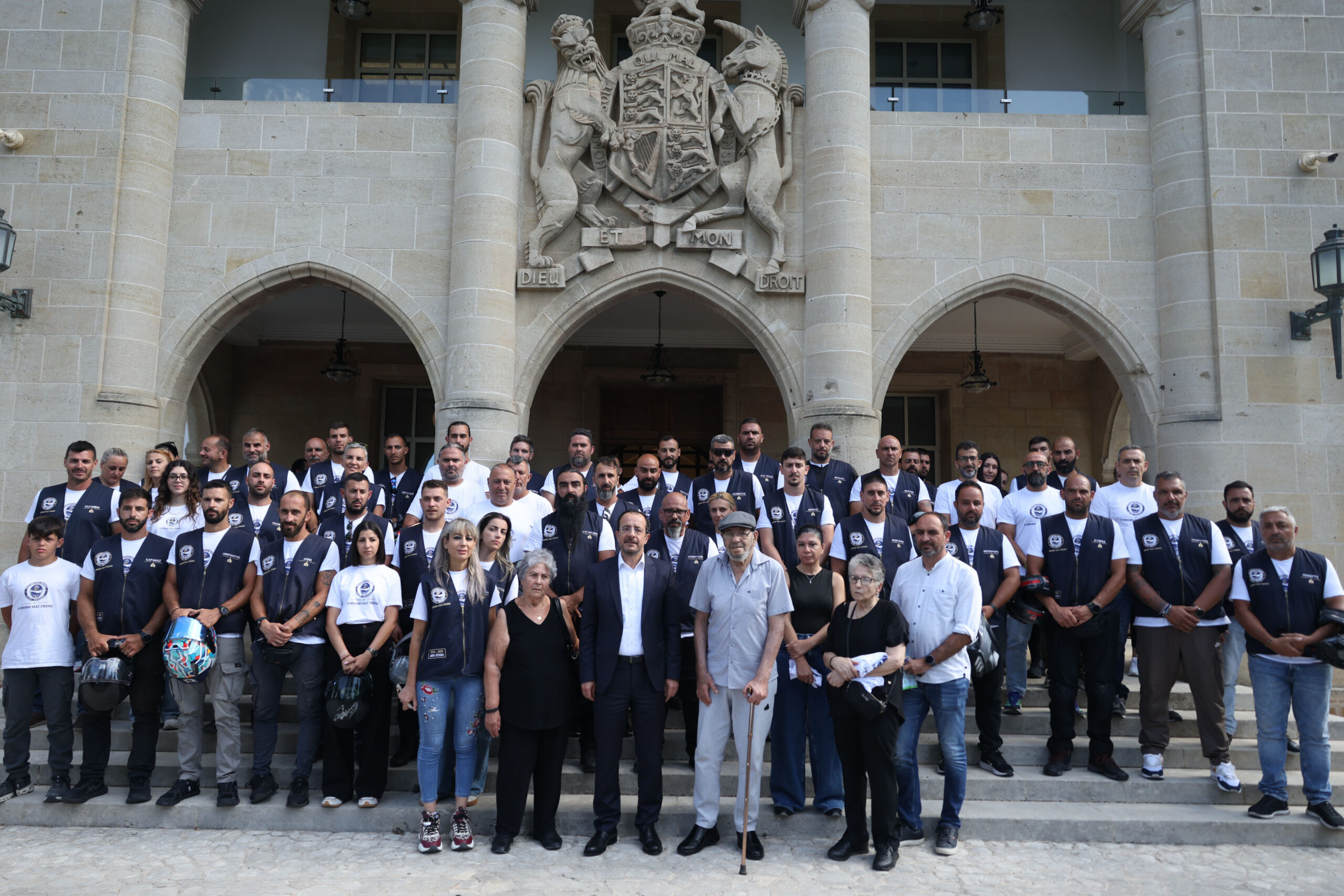

Speaking on Friday during the arrival of a motorcyclist group that recently toured Greece commemorating the deaths of Tasos Isaac and Solomos Solomou, Christodoulides made clear his government views the August 1996 killings as open cases demanding justice.
There are developments on this issue about which the right and proper thing is not to speak publicly, the president stated, though he indicated he would brief the victims’ families privately.
Christodoulides emphasized that the government is taking action regarding those responsible for what he described unambiguously as murders. He rejected any characterization of the deaths as anything other than deliberate killings witnessed by observers at the time.
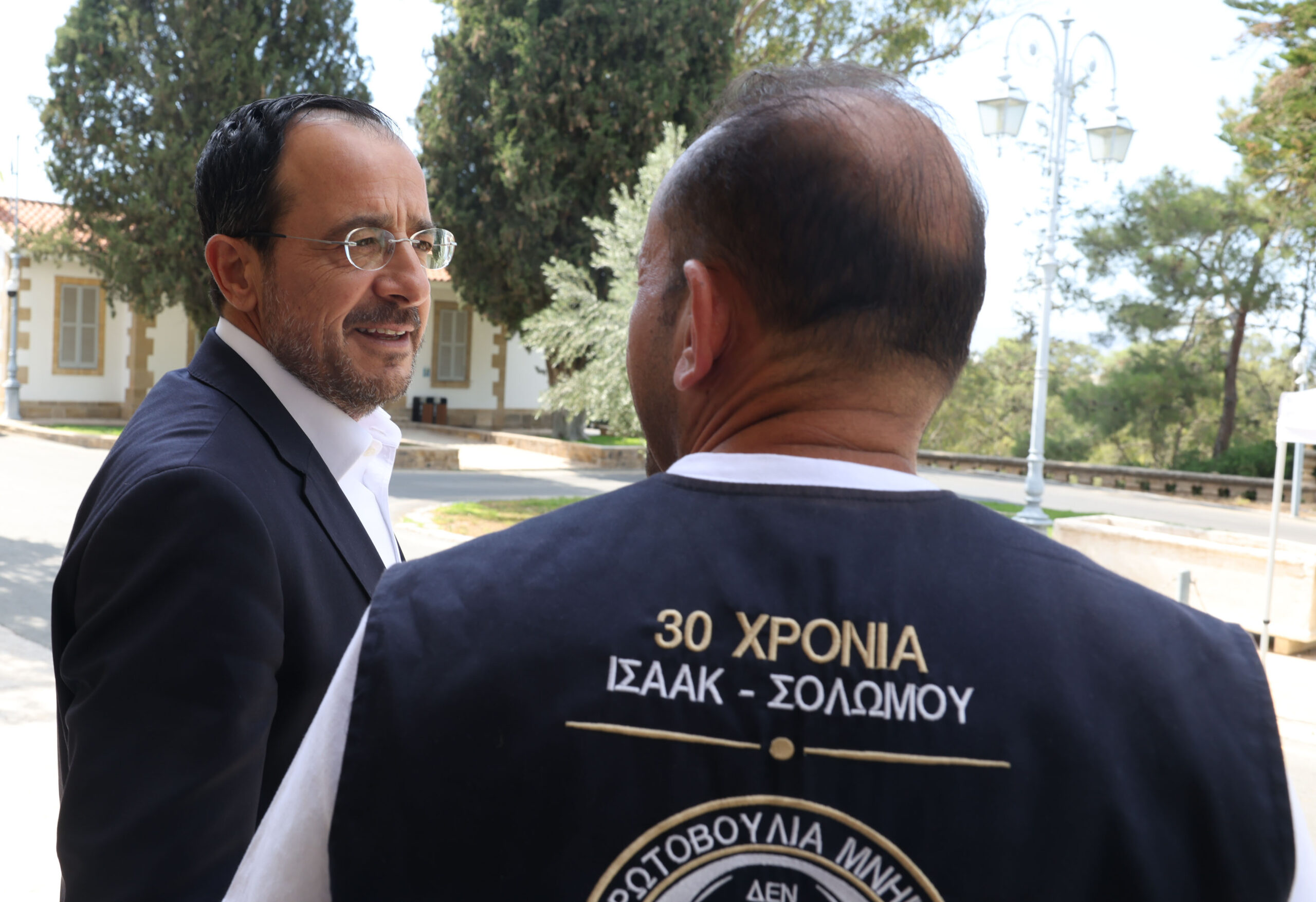
The president praised the motorcyclists, who have conducted annual commemorative rides since 2008, comparing their journey to a historic school trip taken by Evangelos Pallikarides, an Eoka fighter executed by British authorities in 1957. Christodoulides noted his own father had accompanied Pallikarides on that trip to Greece.
The motorcyclists’ route held symbolic significance, visiting locations in Greece that share names with occupied territories in northern Cyprus: the village of Karavas on Kythera island, Keryneia in the Achaea region, and Salamis island near Piraeus. These correspond to areas now under control of the Turkish Pseudostate in Northern Cyprus.
Christodoulides stressed that honoring Isaac and Solomou requires continuing their fight for freedom of movement and ending the occupation. He described their cause as demanding nothing more than the ability to move freely in their own country, as citizens do in any European state.
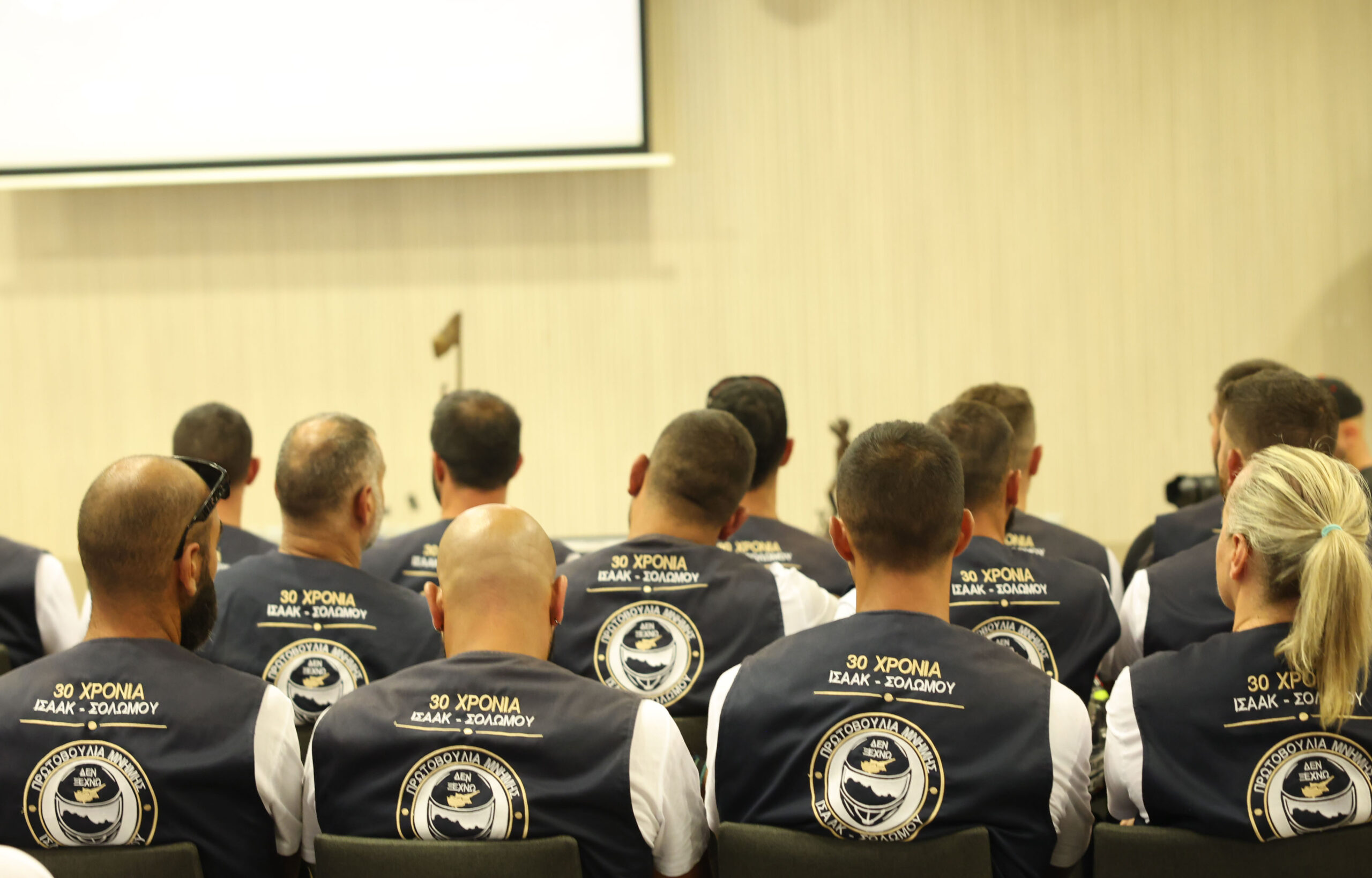
The president confirmed he will travel to Dherynia with the motorcyclists on August 8 for the anniversary observance, calling it both a minimum obligation and a personal desire.
He credited the motorcyclists’ awareness campaign in Greece with achieving results that would require years of diplomatic work at the governmental level, noting that efforts to inform Greeks about the Cyprus situation must always begin in Greece itself.
Isaac was killed on August 11, 1996, when Greek Cypriot motorcycle protesters encountered Turkish Cypriot counter-demonstrators in the buffer zone. According to United Nations documentation of the incident, Turkish Cypriot protesters were joined by members of the Grey Wolves paramilitary organization who had traveled from Turkey.
As demonstrators from both sides entered the buffer zone, violence erupted. Isaac became entangled in barbed wire and was beaten to death by Turkish Cypriots and Turks who had breached the buffer zone.
Solomou died three days later when Greek Cypriot demonstrators returned to Dherynia following Isaac’s funeral. He separated from other protesters and approached a Turkish military post, attempting to scale a flagpole to remove a Turkish flag. A Turkish soldier shot him dead.
The president’s reference to Pallikarides appears designed to link the historical struggle against British colonial rule with the ongoing resistance to Turkish occupation, framing Isaac and Solomou’s actions within a continuum of Cypriot sacrifice for national liberation.
Nearly three decades after the killings, Christodoulides’ announcement suggests renewed efforts to pursue accountability, though he provided no specifics about the nature of the developments or potential legal proceedings.
With information from Cyprus Mail





