
Cyprus Marks Anniversary of Turkey’s 1974 Invasion
Cyprus President Nikos Christodoulides marked the 52nd anniversary of Turkey's 1974 invasion by condemning the occupation and calling for a UN-based settlement with renewed EU involvement.

Speaking on the anniversary of the August 14, 1974 offensive, Christodoulides declared that the second wave of Turkey’s military operation inflicted profound damage on Cyprus and its people, according to Cyprus Mail columnist Johanna Pauls.
The president emphasized that five decades is far too long for an unacceptable status quo to persist, insisting that the current situation cannot represent the future for Cyprus and its citizens. He stressed that the wounds from 1974 remain unhealed and demanded an end to the occupation through a sustainable and functional resolution.
Christodoulides specified that any solution must align with UN resolutions, the established negotiating framework, and the principles and laws of the European Union. He pointed to new momentum generated by UN Secretary-General Antonio Guterres, who is working to restart negotiations from the point where they broke down at Crans-Montana in 2017.
The Cypriot leader expressed cautious optimism following Guterres’ visit to the island and his decision to convene a new expanded meeting after appropriate preparatory work. He also highlighted successful efforts to involve the European Union more actively in the peace process, describing this development as a decisive contribution.
Foreign Minister Constantinos Kombos issued a separate statement declaring that Turkey’s actions in 1974 remain unforgiven crimes that are neither subject to any statute of limitations nor subject to cover-up.
Three-Day Operation Seized Major Cities
The second phase of Turkey’s invasion, designated “Attilla II,” lasted only three days but resulted in the occupation of the major cities of Famagusta and Morphou. This offensive came shortly after the United Nations had called for an immediate ceasefire and end to foreign military intervention following the initial July 20 invasion.
Turkey launched the second phase after peace negotiations in Geneva collapsed, using the breakdown as justification despite having already transferred additional military forces to the island. Christodoulides noted that while diplomatic talks were underway in Geneva seeking a peaceful resolution, Turkey proceeded with its predetermined plans to expand what he characterized as a barbaric invasion and illegal occupation.
The operation began at 3am on August 14, 1974, after Turkish Foreign Minister Turan Gunes phoned Prime Minister Bulent Ecevit with a coded message referencing his daughter’s name to signal the attack could commence immediately.
Massive Population Displacement
Turkish forces deployed tanks in dual directions—eastward toward Famagusta and westward toward Morphou—supported by air power and reinforcements advancing from the Kyrenia bridgehead. By 6pm on August 16, Turkish tanks had reached both objectives, completing their operational plan.
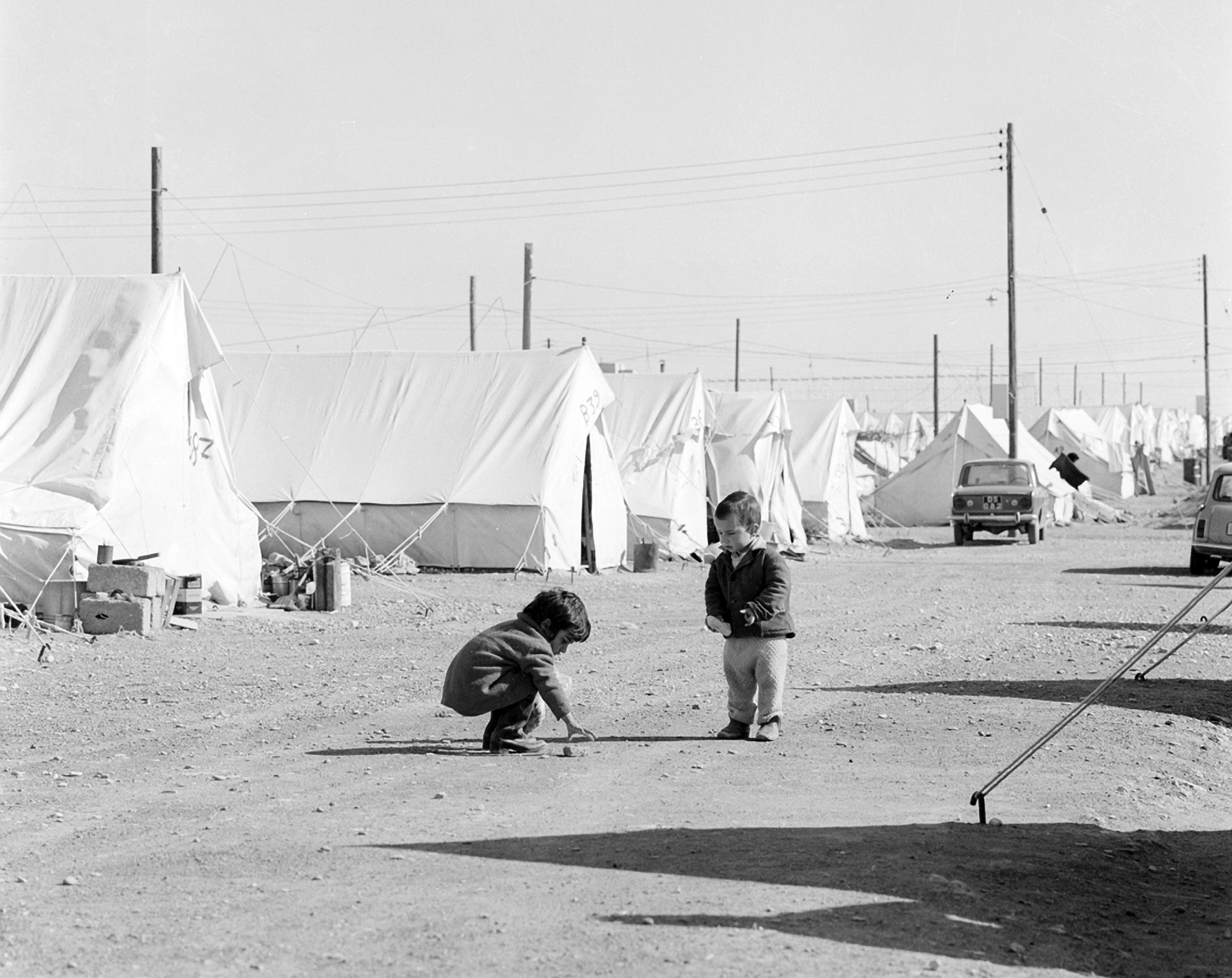
The offensive extended Turkish military control to approximately 36 percent of Cypriot territory, establishing the division lines that persist to this day. Combined with territory seized during the first invasion phase, the operations forced between 162,000 and 180,000 Greek Cypriots—nearly one-third of the total Greek Cypriot population—to flee their homes in what became the occupied north.
In the months following the invasion, between 45,000 and 60,000 Turkish Cypriots living in Turkish Cypriot villages, enclaves, and mixed communities in the southern part of the island relocated to the occupied northern territories.
With information from Cyprus Mail





