Consumer Sentiment Hits Record Low Amid Rising Costs
Consumer confidence has fallen to its lowest recorded level as rising gasoline prices and persistent inflation erode household finances, with the University of Michigan's sentiment index hitting 44.8 in May.
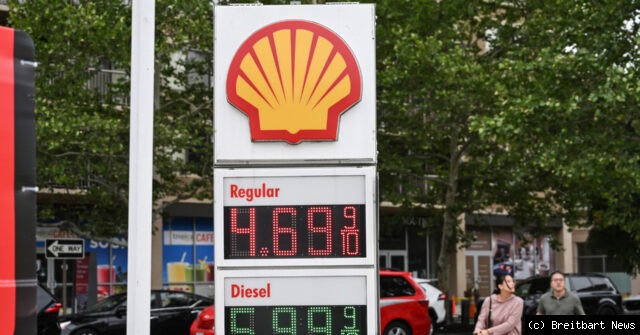

Consumer confidence has plummeted to its lowest recorded level, driven by sustained concerns over gasoline prices and persistent inflation pressures across the economy. According to Breitbart News, data released Friday revealed a sharp deterioration in household sentiment that caught many analysts off guard.
The University of Michigan’s consumer sentiment index fell to 44.8 in May, marking a significant miss against economist expectations and representing the weakest reading in the survey’s history. The decline was particularly steep given that the preliminary May estimate had already signaled weakness at 48.2, with April’s final reading standing at 49.8. This marks the third consecutive monthly contraction in sentiment.
Rising Costs Eroding Household Finances
Joanne Hsu, director of the survey, attributed the deterioration to ongoing supply disruptions affecting energy markets. “Consumer sentiment fell for the third straight month as supply disruptions in the Strait of Hormuz continue to boost gasoline prices,” Hsu explained, noting that sentiment is now approaching the previous historical low recorded in June 2022.
The financial strain on American households has intensified dramatically. Nearly 57 percent of consumers cited rising prices as their primary concern, up sharply from 50 percent just one month earlier. This widespread anxiety about cost of living reflects genuine hardship, particularly among lower-income households and workers without college degrees—demographics proving most vulnerable to energy and essential goods price increases.
Political Divides and Forward-Looking Fears
The weakness cuts across political lines, though unevenly. Independents and Republicans experienced the steepest sentiment declines during the current presidential administration, reaching their lowest points to date. Democratic sentiment remained relatively stable month-over-month, according to survey data.
Perhaps more concerning for Federal Reserve policymakers, American households are increasingly pessimistic about inflation’s trajectory. Consumers now anticipate price increases of 4.8 percent over the coming year—up from 4.7 percent in April—suggesting expectations continue to drift upward. Long-term inflation expectations pose an even greater challenge: households now expect 3.9 percent annual price growth over the next five to ten years, compared to 3.5 percent last month.
Central bank officials have long understood that consumer inflation expectations can become self-fulfilling, influencing actual price behavior across the economy. The sharp acceleration in forward-looking household expectations represents a worrying signal for inflation control efforts.
With information from Breitbart News