Necessary Cookies

Required for the site to function. Cannot be disabled.

Analytics Cookies

Help us understand how visitors interact with our site (Google Analytics via GTM).

Marketing Cookies

Used to track visitors and deliver personalised advertisements.

We use cookies to enhance your browsing experience and analyse site traffic. By clicking Accept All, you consent to our use of cookies. Privacy Policy
NewsFire Global
Home News Europe World Christianity Culture Wars Opinion
Information
About Us Authors Advertising Terms & Conditions Privacy Policy Contact
R2B Media
R2B NEWSFIRE.GR PAPAFOTIS.GR THRACTION HELLENIC CONSERVATIVES RIGHT2THEBONE YT
News Culture Wars

Common Sense Prevails: Portugal Bans Gender Transition for Minors

Portugal has reversed its progressive gender self-identification law, banning gender transition treatments for minors and requiring clinical approval, sparking controversy amid ongoing global debates.

Dimitris Papafotis
Dimitris Papafotis Editor in Chief
MARCH 21, 2026 AT 12:13 PM Updated: May 17, 2026 9:07 AM

In a move that radically changes the landscape of progressive policies in Europe, the Assembly of the Republic in Portugal has voted to repeal the law on gender self-identification.

Return to clinical documentation

This decision was made following intense political debate, with the support of the Chega, PSD and CDS-PP parties. According to the new legal framework, citizens’ legal identity must now be supported by clinical expertise, ending the practice that André Ventura’s party described as an extreme ideological experiment against the Portuguese people.

Protecting minors from irreversible interventions

A central pillar of the reform is ensuring parental rights and protecting the nuclear family, as highlighted during the process.

The new legislation imposes a universal ban on the use of puberty blockers and hormone therapies for minors. Portugal thus chooses to protect young people from medical decisions with permanent consequences before they reach maturity.

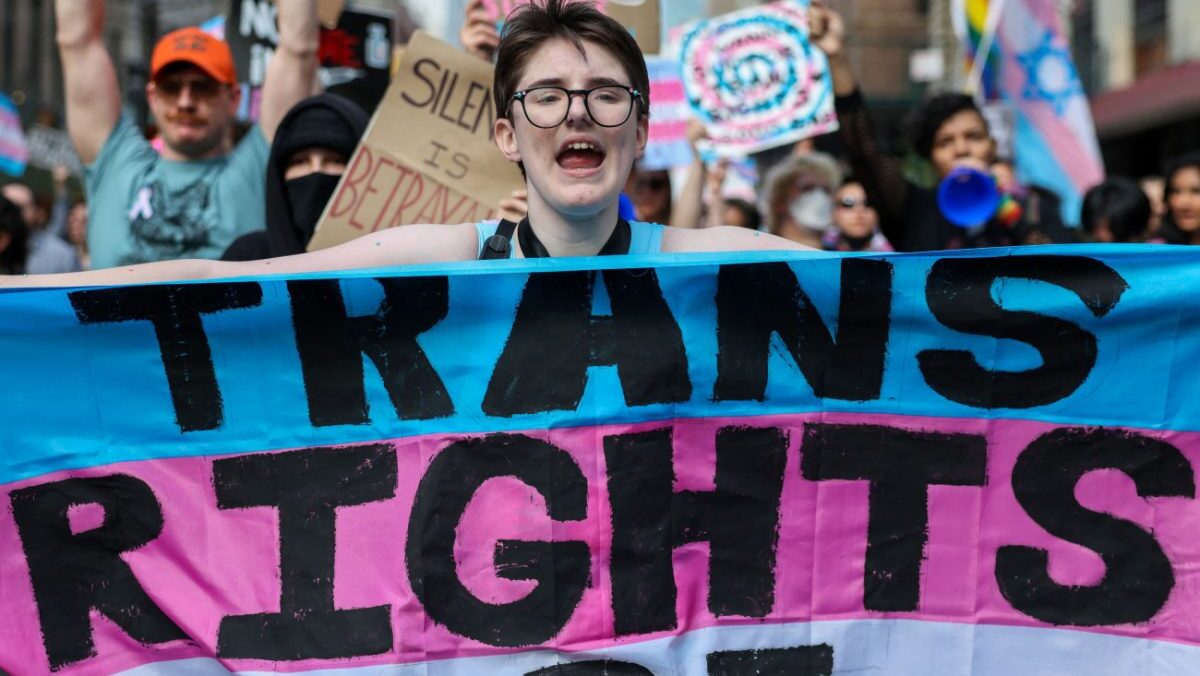
Yet, this shift in Portugal comes at a time when the discussion over gender transition remains at the forefront of the international agenda, provoking reactions both domestically and abroad.


Share:
Dimitris Papafotis
Dimitris Papafotis

Dimitris Papafotis is the editor-in-chief of NewsFire.GR. He was born and raised in Athens. He studied at the Journalism Workshop (1991-1993). He currently lives in Pyrgos, Ilia, where he has been active in radio and various newspapers, while also maintaining his personal blog, Papafotis.gr.

In a move that radically changes the landscape of progressive policies in Europe, the Assembly of the Republic in Portugal has voted to repeal the law on gender self-identification.

Return to clinical documentation

This decision was made following intense political debate, with the support of the Chega, PSD and CDS-PP parties. According to the new legal framework, citizens’ legal identity must now be supported by clinical expertise, ending the practice that André Ventura’s party described as an extreme ideological experiment against the Portuguese people.

Protecting minors from irreversible interventions

A central pillar of the reform is ensuring parental rights and protecting the nuclear family, as highlighted during the process.

The new legislation imposes a universal ban on the use of puberty blockers and hormone therapies for minors. Portugal thus chooses to protect young people from medical decisions with permanent consequences before they reach maturity.

Yet, this shift in Portugal comes at a time when the discussion over gender transition remains at the forefront of the international agenda, provoking reactions both domestically and abroad.