Necessary Cookies

Required for the site to function. Cannot be disabled.

Analytics Cookies

Help us understand how visitors interact with our site (Google Analytics via GTM).

Marketing Cookies

Used to track visitors and deliver personalised advertisements.

We use cookies to enhance your browsing experience and analyse site traffic. By clicking Accept All, you consent to our use of cookies. Privacy Policy
NewsFire Global
Home News Europe World Christianity Culture Wars Opinion Video
Information
About Us Authors Advertising Terms & Conditions Privacy Policy Contact
R2B Media
R2B NEWSFIRE.GR PAPAFOTIS.GR THRACTION HELLENIC CONSERVATIVES RIGHT2THEBONE YT
News Europe

Brussels Strips Venice Biennale of €2M Over Russian Pavilion

The European Commission plans to withdraw €2 million from the Venice Biennale after it allowed Russia to reopen its pavilion, drawing criticism that Brussels is weaponizing cultural funding.

Dimitris Papafotis
Dimitris Papafotis Editor in Chief
JULY 14, 2026 AT 9:05 AM
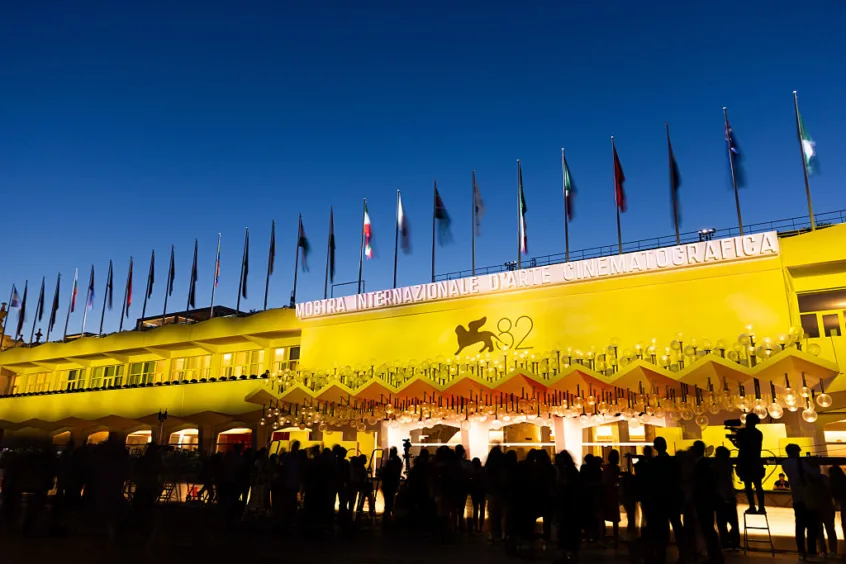
Photo: brusselssignal.eu

According to Brussels Signal, European Commission Executive Vice-President for Tech Sovereignty, Security and Democracy Henna Virkkunen announced the funding withdrawal recommendation on July 11 through a post on X. While the recommendation is not binding, the final decision lies with the European Education and Culture Executive Agency (EACEA), which has already signaled its support for the cut.

The Venice Biennale, established in 1895, stands as one of the world’s oldest and most prestigious international cultural institutions. Its biennial Art Exhibition draws artists, national pavilions, and curators from around the globe, cementing its status as a cornerstone event in contemporary art.

The controversy erupted this spring when Biennale president Pietrangelo Buttafuoco confirmed that Russia would reopen its national pavilion at the 61st International Art Exhibition, titled In Minor Keys, running from May 9 through November 22, 2026.

Russia’s pavilion had remained shuttered during the 2022 and 2024 editions following Moscow’s full-scale invasion of Ukraine in February 2022 and the EU’s subsequent sanctions regime. The space was loaned to Bolivia in 2024.

Brussels Imposes Political Test on Art

Brussels has argued that permitting Russian participation contradicts the EU’s political response to the Ukraine war. In March, the Commission warned it could suspend or terminate its grant, claiming Russia’s presence at the exhibition was incompatible with the EU’s collective response to what it termed Russia’s brutal aggression.

After reviewing the Biennale’s explanations, the Commission determined they failed to address its concerns. The Biennale defended its decision by maintaining that its role is not to exclude countries on political grounds but to preserve space for artistic dialogue and international exchange. Buttafuoco argued the institution’s mission was to avoid preventative exclusion and that the Biennale should remain a forum where different perspectives can be presented and debated rather than politically prejudged.

Virkkunen stated that European culture, when supported by taxpayers’ money, should promote and safeguard democratic values, adding that such values are not respected in Russia today.

€2 Million at Stake

Should the recommendation be confirmed, the Biennale would forfeit €2 million in EU support allocated under the Creative Europe programme for the 2025-2028 period to support cultural activities and international cooperation projects. The withdrawal would not prevent the exhibition from proceeding, though the foundation has noted the EU contribution represents only a marginal portion of its programmes.

Double Standards Exposed

The controversy has ignited broader debate over the consistency of criteria applied to national participation. Critics of the Commission’s decision have highlighted that the Biennale continues hosting pavilions from countries facing international criticism over democratic standards, human rights records, or involvement in conflicts—including Saudi Arabia, Azerbaijan, Syria, and Somalia. They accuse Brussels of applying a double standard, arguing that penalizing Russia while permitting other controversial states to participate amounts to political selectivity.

The dispute underscores growing tension between Brussels’ political directives and the autonomy of cultural institutions that have traditionally operated as neutral spaces for international artistic exchange.

With information from Brussels Signal

Share:
Dimitris Papafotis
Dimitris Papafotis

Dimitris Papafotis is the editor-in-chief of NewsFire.GR. He was born and raised in Athens. He studied at the Journalism Workshop (1991-1993). He currently lives in Pyrgos, Ilia, where he has been active in radio and various newspapers, while also maintaining his personal blog, Papafotis.gr.

Photo: brusselssignal.eu

According to Brussels Signal, European Commission Executive Vice-President for Tech Sovereignty, Security and Democracy Henna Virkkunen announced the funding withdrawal recommendation on July 11 through a post on X. While the recommendation is not binding, the final decision lies with the European Education and Culture Executive Agency (EACEA), which has already signaled its support for the cut.

The Venice Biennale, established in 1895, stands as one of the world’s oldest and most prestigious international cultural institutions. Its biennial Art Exhibition draws artists, national pavilions, and curators from around the globe, cementing its status as a cornerstone event in contemporary art.

The controversy erupted this spring when Biennale president Pietrangelo Buttafuoco confirmed that Russia would reopen its national pavilion at the 61st International Art Exhibition, titled In Minor Keys, running from May 9 through November 22, 2026.

Russia’s pavilion had remained shuttered during the 2022 and 2024 editions following Moscow’s full-scale invasion of Ukraine in February 2022 and the EU’s subsequent sanctions regime. The space was loaned to Bolivia in 2024.

Brussels Imposes Political Test on Art

Brussels has argued that permitting Russian participation contradicts the EU’s political response to the Ukraine war. In March, the Commission warned it could suspend or terminate its grant, claiming Russia’s presence at the exhibition was incompatible with the EU’s collective response to what it termed Russia’s brutal aggression.

After reviewing the Biennale’s explanations, the Commission determined they failed to address its concerns. The Biennale defended its decision by maintaining that its role is not to exclude countries on political grounds but to preserve space for artistic dialogue and international exchange. Buttafuoco argued the institution’s mission was to avoid preventative exclusion and that the Biennale should remain a forum where different perspectives can be presented and debated rather than politically prejudged.

Virkkunen stated that European culture, when supported by taxpayers’ money, should promote and safeguard democratic values, adding that such values are not respected in Russia today.

€2 Million at Stake

Should the recommendation be confirmed, the Biennale would forfeit €2 million in EU support allocated under the Creative Europe programme for the 2025-2028 period to support cultural activities and international cooperation projects. The withdrawal would not prevent the exhibition from proceeding, though the foundation has noted the EU contribution represents only a marginal portion of its programmes.

Double Standards Exposed

The controversy has ignited broader debate over the consistency of criteria applied to national participation. Critics of the Commission’s decision have highlighted that the Biennale continues hosting pavilions from countries facing international criticism over democratic standards, human rights records, or involvement in conflicts—including Saudi Arabia, Azerbaijan, Syria, and Somalia. They accuse Brussels of applying a double standard, arguing that penalizing Russia while permitting other controversial states to participate amounts to political selectivity.

The dispute underscores growing tension between Brussels’ political directives and the autonomy of cultural institutions that have traditionally operated as neutral spaces for international artistic exchange.

With information from Brussels Signal