Necessary Cookies

Required for the site to function. Cannot be disabled.

Analytics Cookies

Help us understand how visitors interact with our site (Google Analytics via GTM).

Marketing Cookies

Used to track visitors and deliver personalised advertisements.

We use cookies to enhance your browsing experience and analyse site traffic. By clicking Accept All, you consent to our use of cookies. Privacy Policy
NewsFire Global
Home News Europe World Christianity Culture Wars Opinion Video
Information
About Us Authors Advertising Terms & Conditions Privacy Policy Contact
R2B Media
R2B NEWSFIRE.GR PAPAFOTIS.GR THRACTION HELLENIC CONSERVATIVES RIGHT2THEBONE YT
News Culture Wars

Embarrassing Political Propaganda – How Stupid Do They Think We Are?!

Germany's governing coalition faces criticism for what opponents call an authoritarian, condescending approach to citizens, particularly through social media campaigns that treat voters as subjects requiring management rather than stakeholders deserving respect.
Stefanos Banos
Stefanos Banos Staff Writer
JUNE 19, 2026 AT 7:28 PM Updated: Jun 19, 2026 6:23 PM

According to Nius, recent videos published by federal ministries reveal a troubling pattern of how the current German administration views ordinary citizens: not as free individuals deserving respect, but as subjects to be managed, educated, and controlled.

The critique centers on several high-profile government figures whose public conduct has raised eyebrows. Bärbel Bas, who oversees hundreds of billions of euros in taxpayer funds, has been criticized for her communication skills and her open advocacy for wealth redistribution. Meanwhile, Finance Minister Lars Klingbeil, at just 48 years old, has drawn concern for his frequently exhausted appearance and visible perspiration during public events.
Social Media Campaigns Reveal Government Mindset

The most alarming aspect of the current administration, according to the analysis, is the worldview displayed in official government social media content. Videos produced by various ministries and posted to platforms like Instagram and TikTok consistently portray citizens as nuisances requiring correction rather than as stakeholders deserving transparent governance.

Foreign Minister Johann Wadephul, who has reportedly earned the international nickname “What-a-fool,” became the focus of controversy following Germany’s historic defeat in its bid for a UN Security Council seat. For the first time in unified German history, the country lost such a contest, falling to Austria and Portugal in the voting.

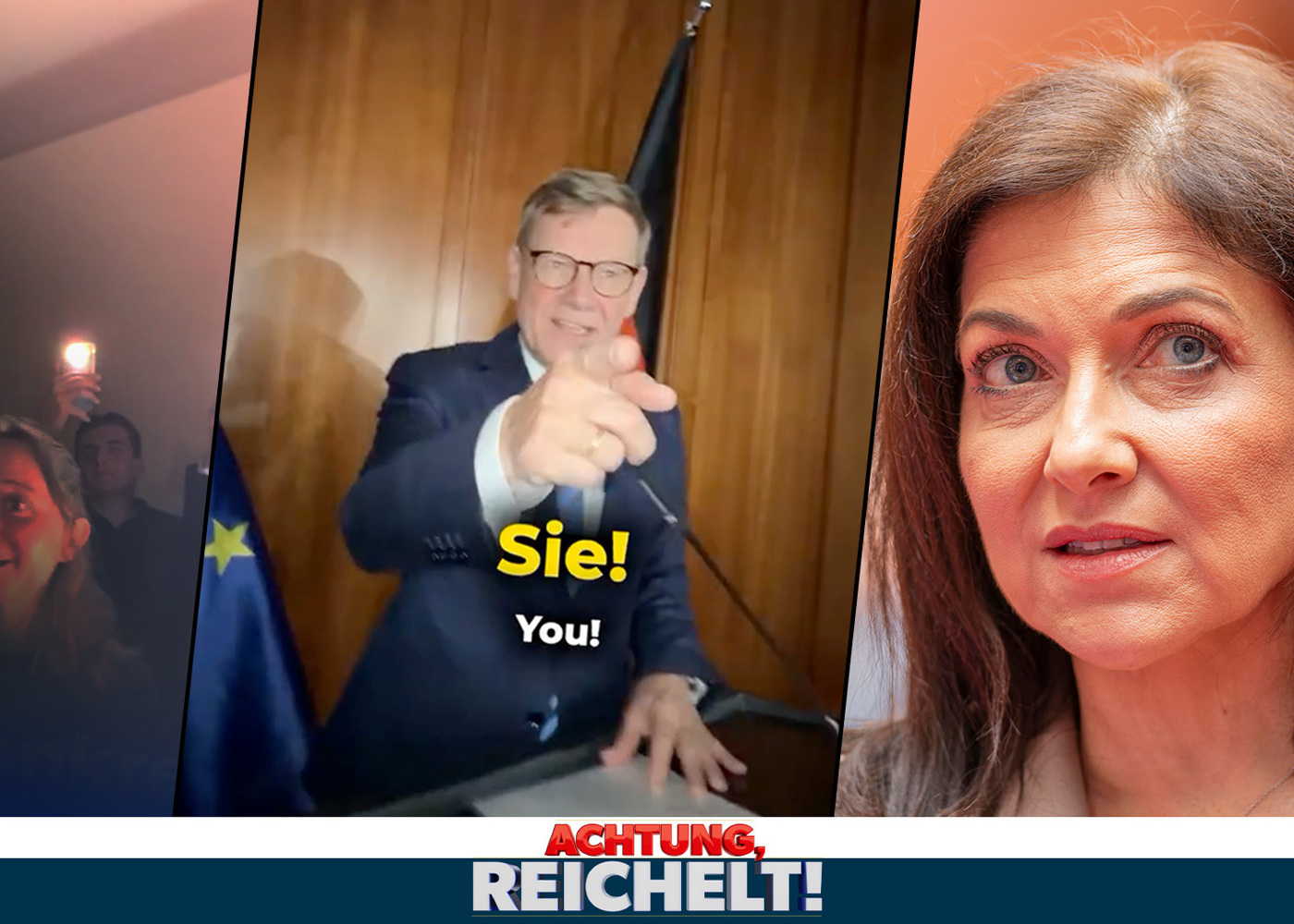
Following widespread criticism of this diplomatic failure, Wadephul’s ministry released a social media video that critics say reveals the government’s true attitude toward press freedom and accountability. The footage shows security personnel in sunglasses aggressively ordering journalists to “step back” from the minister, while compliant reporters subsequently ask only approved questions about combating “disinformation”—a term apparently applied to government criticism.

Most notably, the video concludes with journalists breaking into applause and dancing in celebration of the minister’s announcement that he will expand government messaging to YouTube. This portrayal of jubilant, uncritical media as the ideal has been interpreted as a window into how the administration views the proper role of journalism.

nius.de
Photo: nius.de

Environmental Ministry Pushes Economic Control

The Environment Ministry under Carsten Schneider has also drawn fire for social media content promoting what critics describe as central planning over free market principles. When citizens complain about high fuel prices, Schneider’s response has been to suggest they simply purchase electric vehicles instead.

nius.de
Photo: nius.de

The broader pattern emerging from these government communications, according to the assessment, is an administrative class that sees itself as entitled to dictate not only policy but also public opinion, consumer choices, and acceptable discourse. The calculated nature of these social media campaigns suggests they are not isolated missteps but rather deliberate expressions of an authoritarian governing philosophy.

Questions of Competence and Vision

Beyond matters of tone and attitude, fundamental questions persist about the current government’s effectiveness. The UN Security Council defeat represents Germany’s most significant diplomatic setback since World War II, yet accountability for such failures appears absent.

The administration’s focus appears to be not on addressing policy failures or responding to citizen concerns about economic pressures, but rather on controlling narratives and suppressing criticism through expanded government messaging operations across digital platforms.

As taxpayer-funded ministry departments devote resources to producing slick social media content portraying citizens as problems to be solved and journalists as cheerleaders to be cultivated, fundamental questions arise about whether this represents appropriate use of public funds or a healthy relationship between government and governed in a democratic society.

With information from Nius

Share:
Stefanos Banos
Stefanos Banos

Stefanos Banos was born in Piraeus and is an editor at NewsFire.GR, specializing in political analysis and international relations. He graduated from the Department of Communication and Media at the University of Bremen in Germany, where he also completed his Master of Arts in Communication and Media Studies. Married to Zoi, he is a proud father of three boys.

According to Nius, recent videos published by federal ministries reveal a troubling pattern of how the current German administration views ordinary citizens: not as free individuals deserving respect, but as subjects to be managed, educated, and controlled.

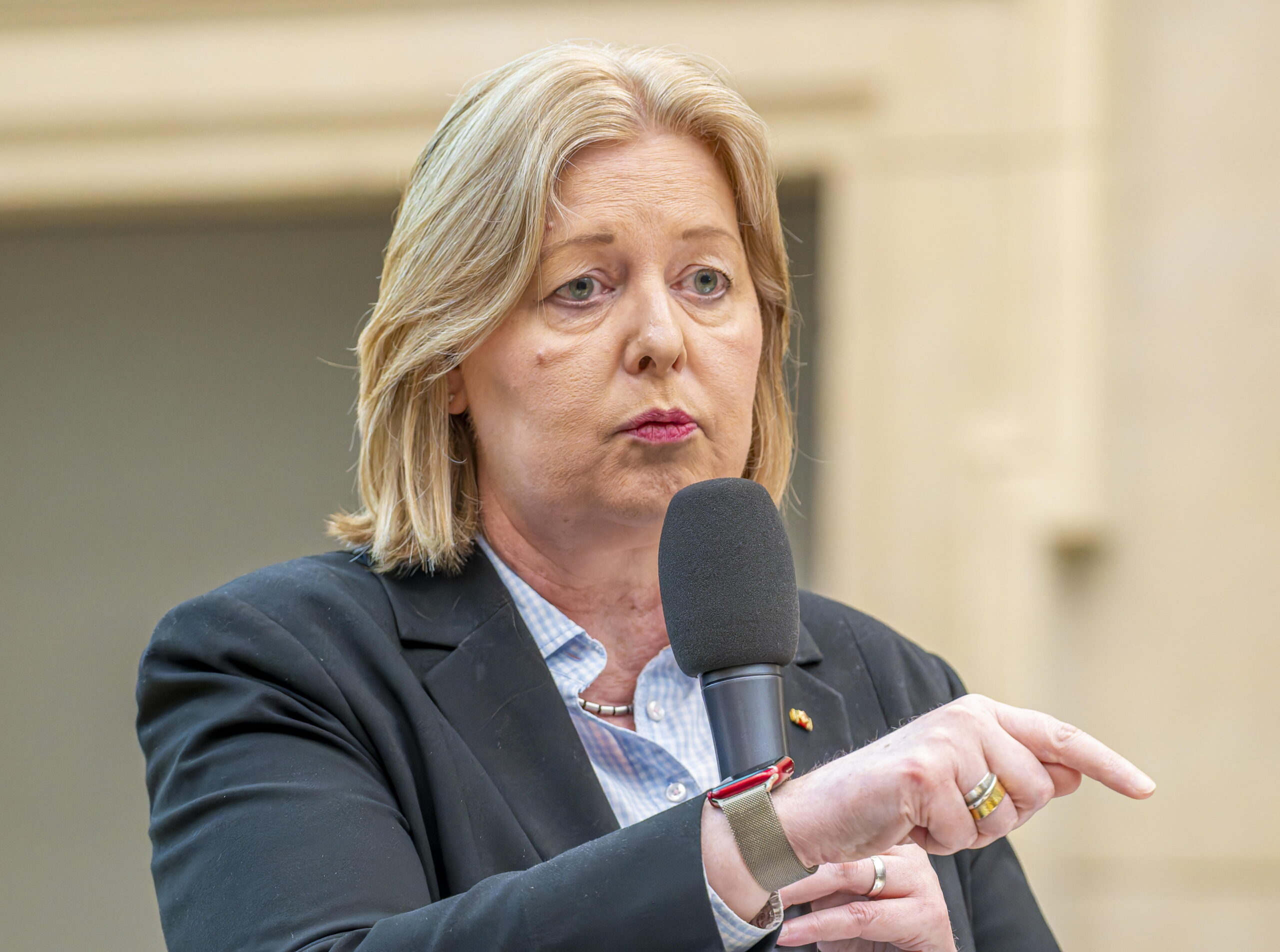
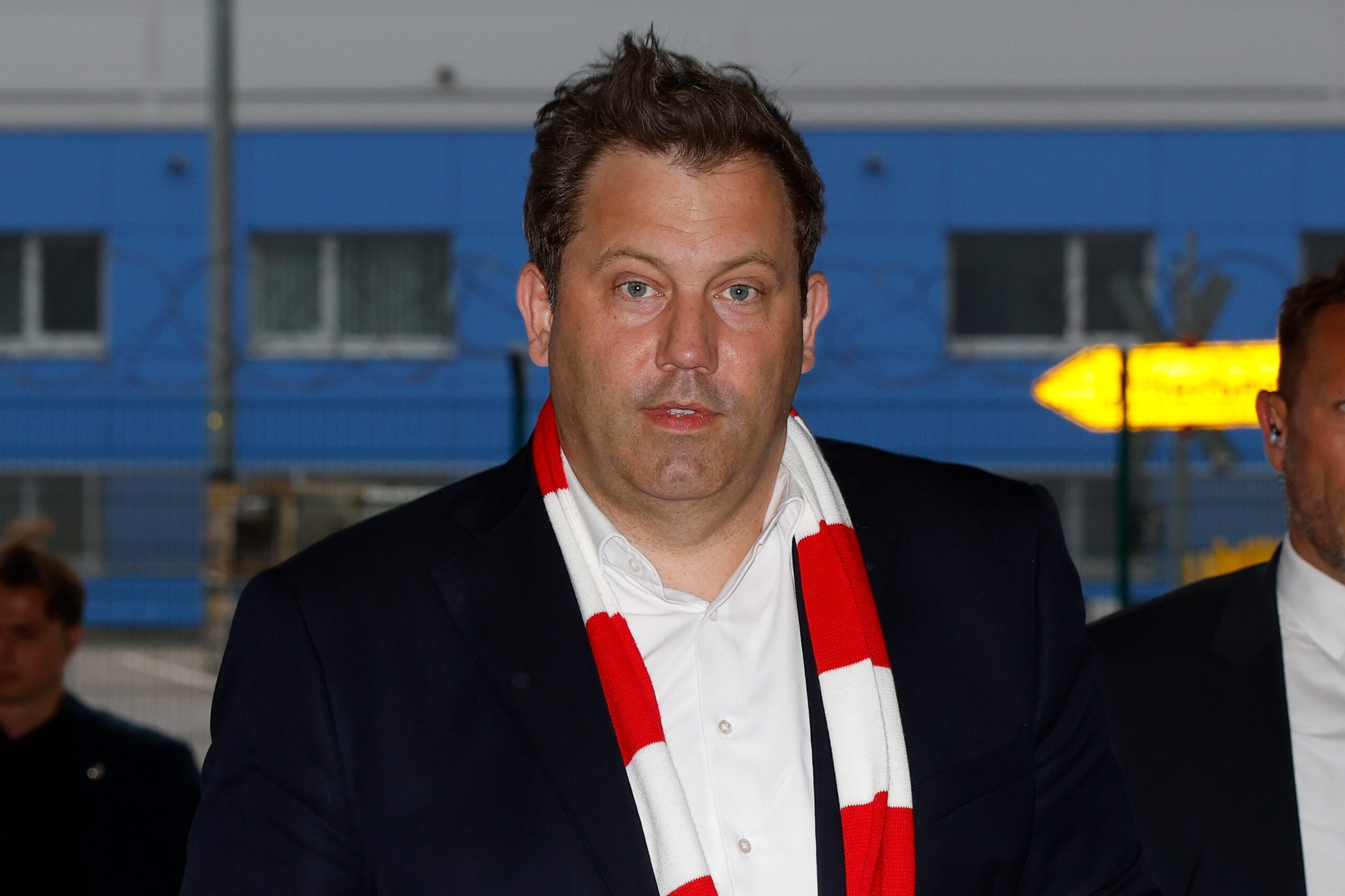
The critique centers on several high-profile government figures whose public conduct has raised eyebrows. Bärbel Bas, who oversees hundreds of billions of euros in taxpayer funds, has been criticized for her communication skills and her open advocacy for wealth redistribution. Meanwhile, Finance Minister Lars Klingbeil, at just 48 years old, has drawn concern for his frequently exhausted appearance and visible perspiration during public events.
Bärbel Bas hat unmissverständlich deutlich gemacht, dass sie Umverteilung will.
Photo: nius.de

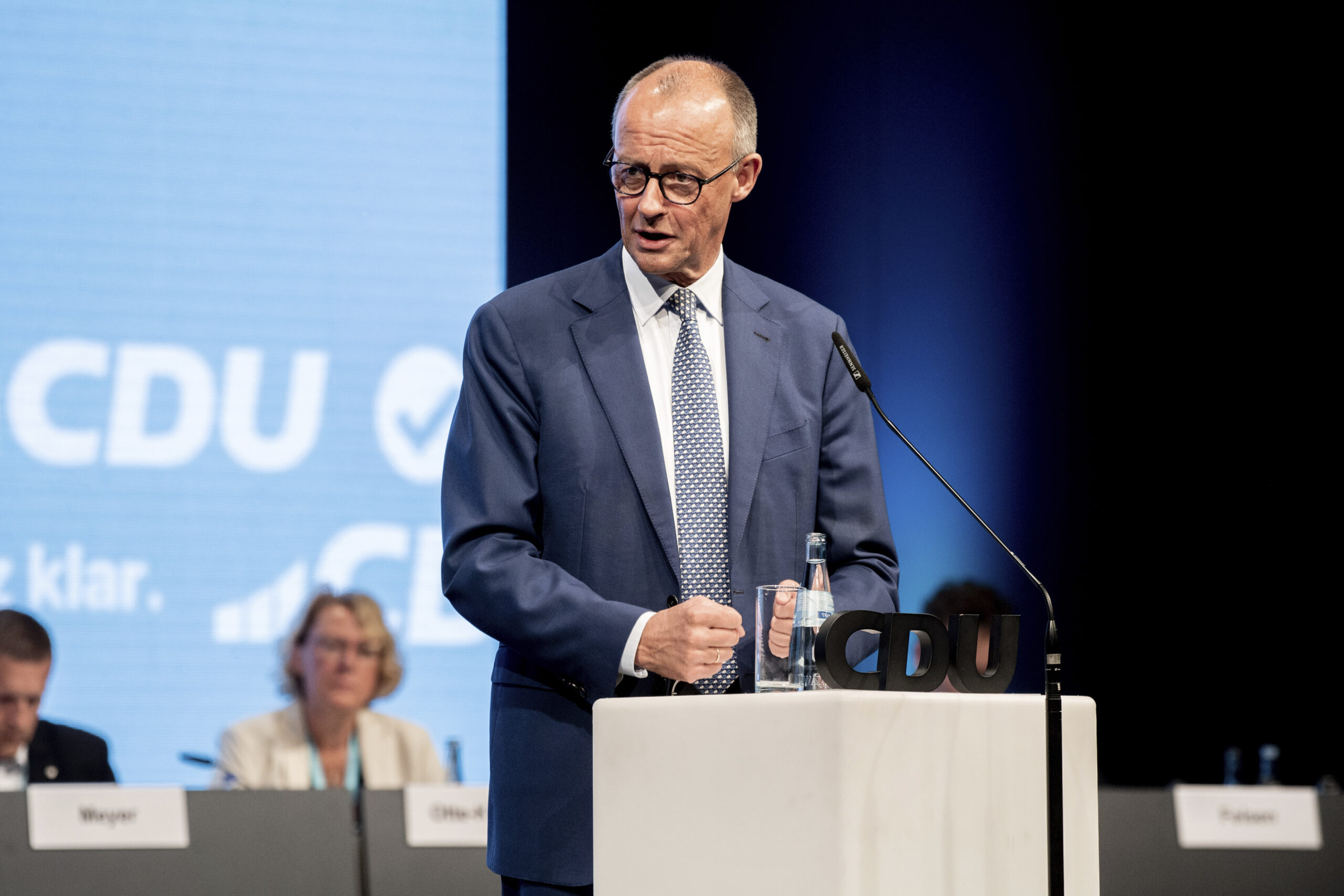
Chancellor Friedrich Merz has also faced mounting criticism for what observers describe as a patronizing and condescending attitude toward German voters. His dismissive manner, particularly toward women, and his tendency to lecture citizens rather than listen to them has alienated significant portions of the electorate, as Nius reports.

Finanzminister Lars Klingbeil wirkt häufig müde und erschöpft. Sein starkes Schwitzen fällt in letzter Zeit besonders auf.
Photo: nius.de
Kanzler Friedrich Merz hat es sich durch seine herablassende, belehrende Art besonders mit den Frauen verdorben.
Photo: nius.de

Social Media Campaigns Reveal Government Mindset

The most alarming aspect of the current administration, according to the analysis, is the worldview displayed in official government social media content. Videos produced by various ministries and posted to platforms like Instagram and TikTok consistently portray citizens as nuisances requiring correction rather than as stakeholders deserving transparent governance.

Foreign Minister Johann Wadephul, who has reportedly earned the international nickname “What-a-fool,” became the focus of controversy following Germany’s historic defeat in its bid for a UN Security Council seat. For the first time in unified German history, the country lost such a contest, falling to Austria and Portugal in the voting.
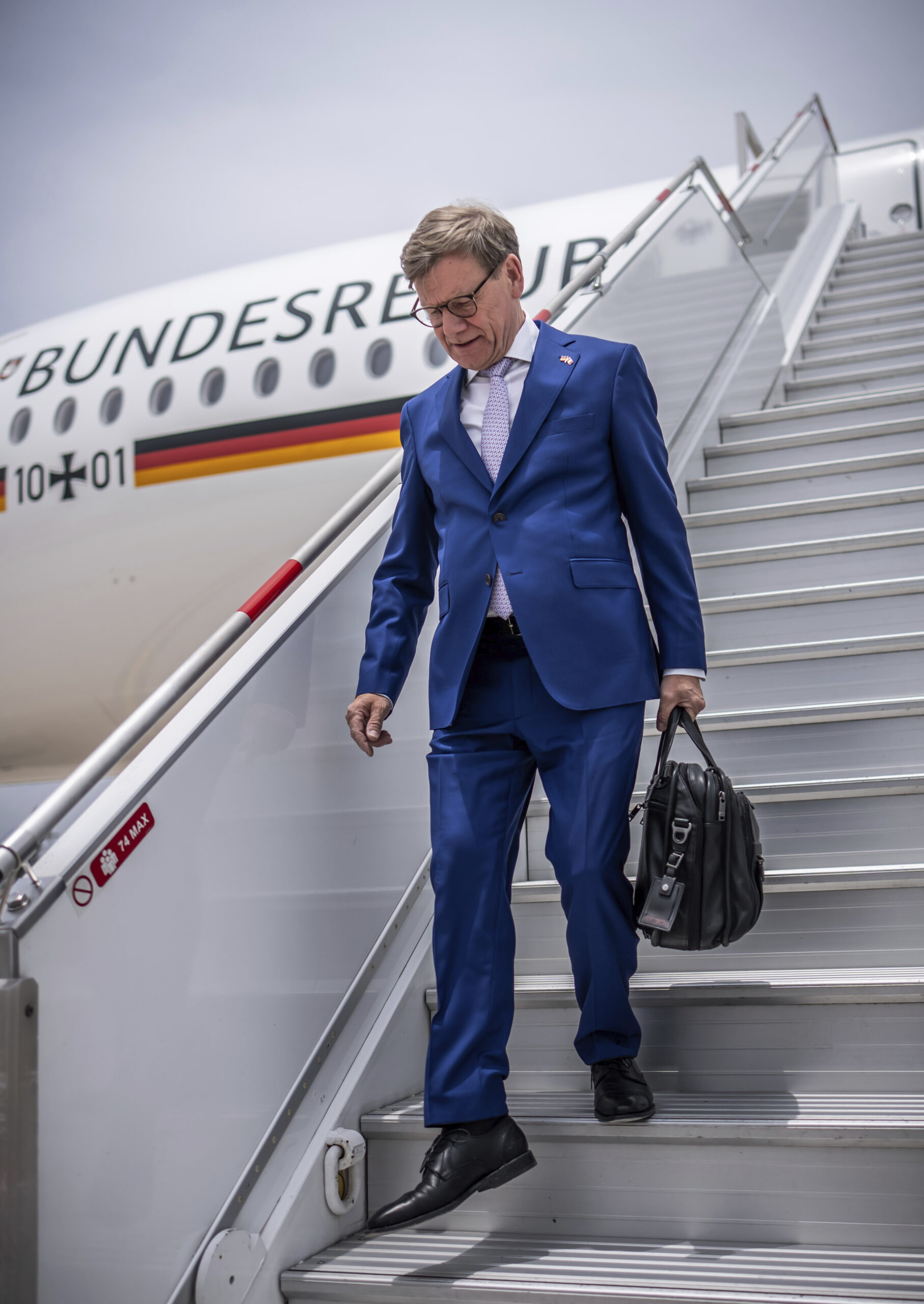
Außenminister Wadephul kommt zu Gesprächen in Mexiko an.
Photo: nius.de
nius.de
Photo: nius.de

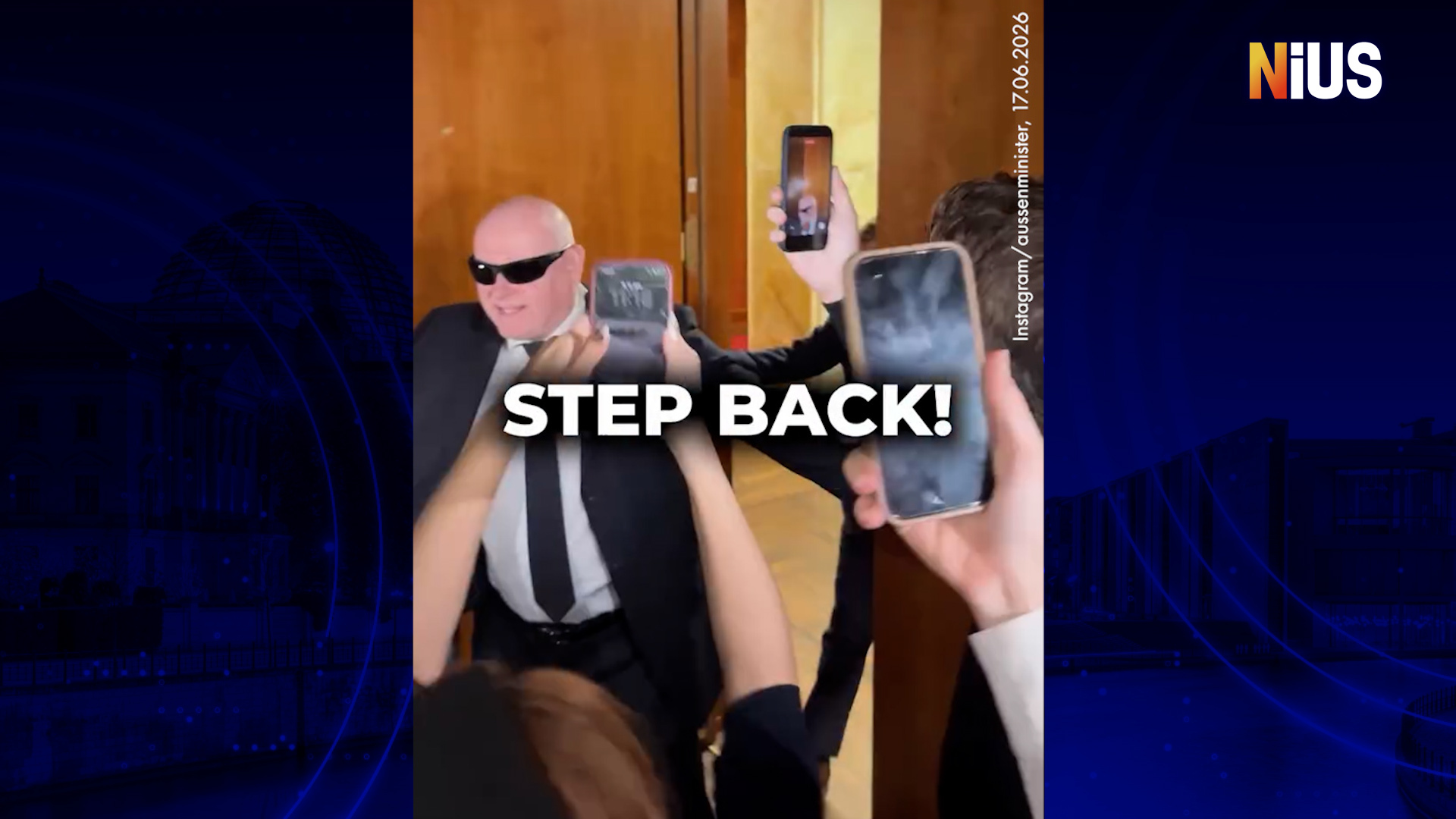
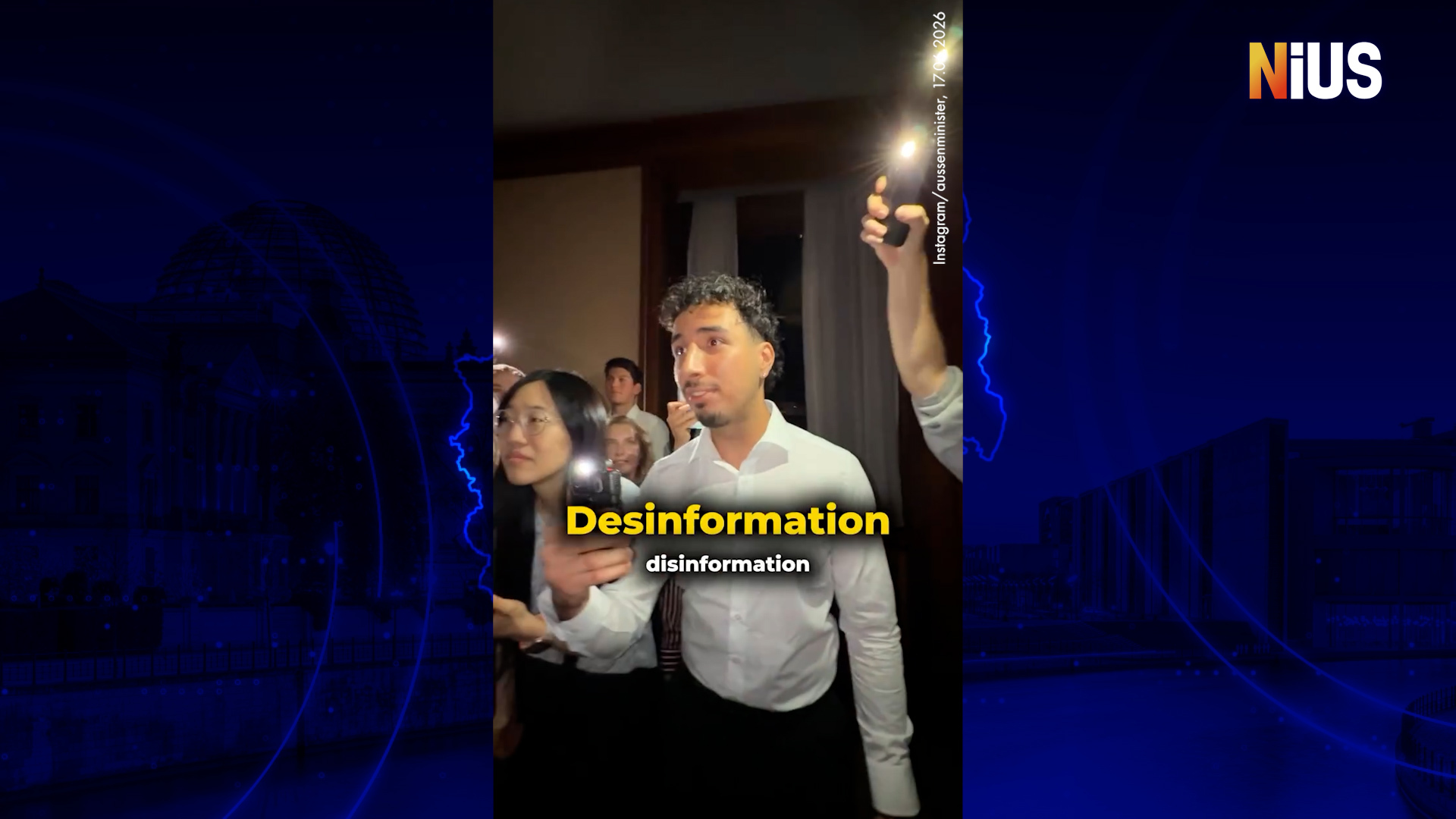
Following widespread criticism of this diplomatic failure, Wadephul’s ministry released a social media video that critics say reveals the government’s true attitude toward press freedom and accountability. The footage shows security personnel in sunglasses aggressively ordering journalists to “step back” from the minister, while compliant reporters subsequently ask only approved questions about combating “disinformation”—a term apparently applied to government criticism.

Most notably, the video concludes with journalists breaking into applause and dancing in celebration of the minister’s announcement that he will expand government messaging to YouTube. This portrayal of jubilant, uncritical media as the ideal has been interpreted as a window into how the administration views the proper role of journalism.
nius.de
Photo: nius.de

Environmental Ministry Pushes Economic Control

The Environment Ministry under Carsten Schneider has also drawn fire for social media content promoting what critics describe as central planning over free market principles. When citizens complain about high fuel prices, Schneider’s response has been to suggest they simply purchase electric vehicles instead.
nius.de
Photo: nius.de

The broader pattern emerging from these government communications, according to the assessment, is an administrative class that sees itself as entitled to dictate not only policy but also public opinion, consumer choices, and acceptable discourse. The calculated nature of these social media campaigns suggests they are not isolated missteps but rather deliberate expressions of an authoritarian governing philosophy.

Questions of Competence and Vision

Beyond matters of tone and attitude, fundamental questions persist about the current government’s effectiveness. The UN Security Council defeat represents Germany’s most significant diplomatic setback since World War II, yet accountability for such failures appears absent.

The administration’s focus appears to be not on addressing policy failures or responding to citizen concerns about economic pressures, but rather on controlling narratives and suppressing criticism through expanded government messaging operations across digital platforms.

As taxpayer-funded ministry departments devote resources to producing slick social media content portraying citizens as problems to be solved and journalists as cheerleaders to be cultivated, fundamental questions arise about whether this represents appropriate use of public funds or a healthy relationship between government and governed in a democratic society.

With information from Nius