Burger joint attacked for not selling halal meat
A German burger shop owner faced online backlash after stating his restaurant doesn't serve halal meat, but received support after clarifying his position was based on quality, not ideology.
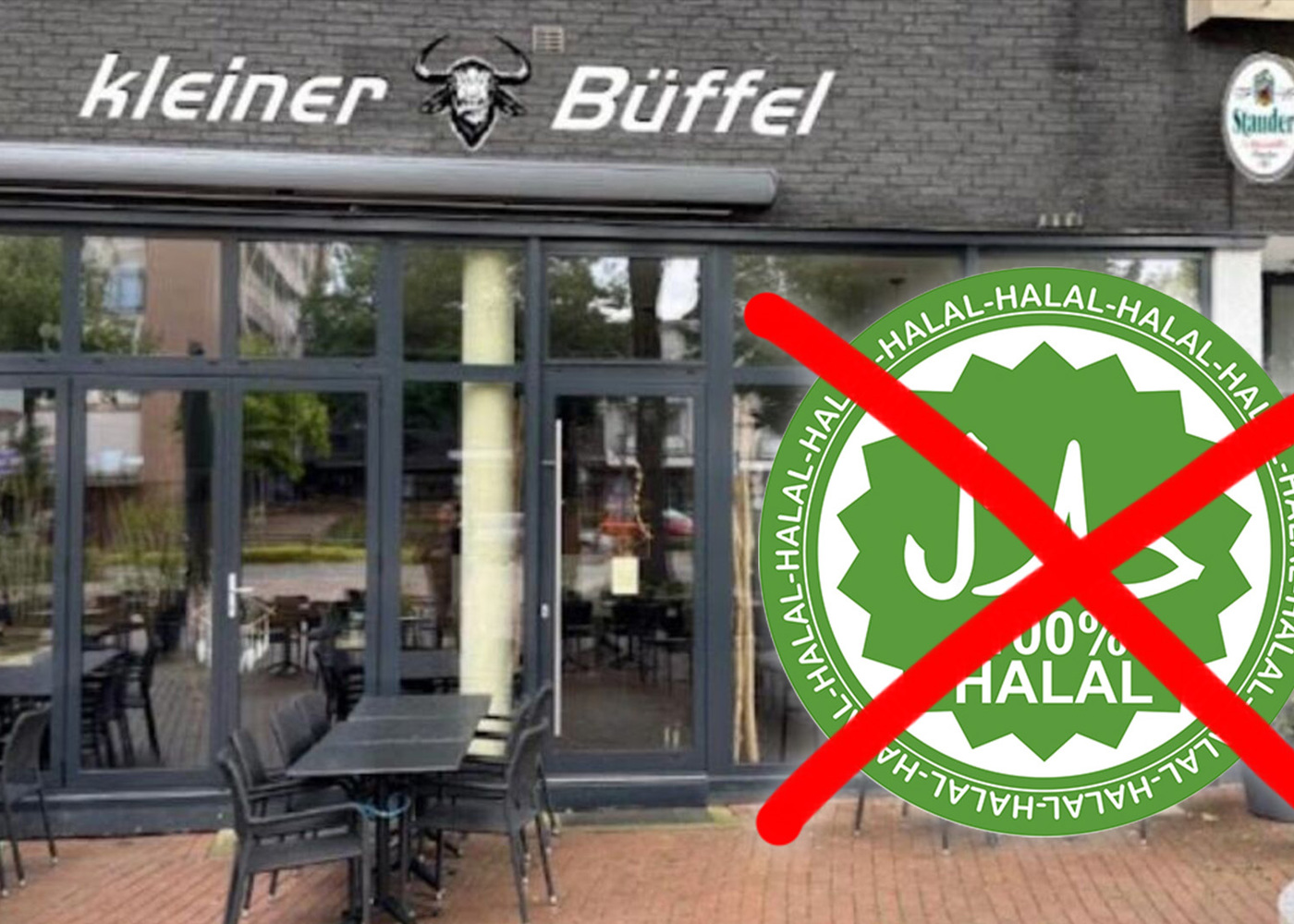

Louis Windeck, who runs the “Kleiner Büffel” burger establishment in Dorsten, North Rhine-Westphalia, posted a brief video on Instagram and TikTok responding to a frequently asked customer question about whether his meat was halal certified, according to Nius.
His straightforward answer was that no, his meat is not halal. What followed was a swift and severe backlash that would escalate into a full-blown online storm.
Wave of Hostility Over Simple Menu Choice
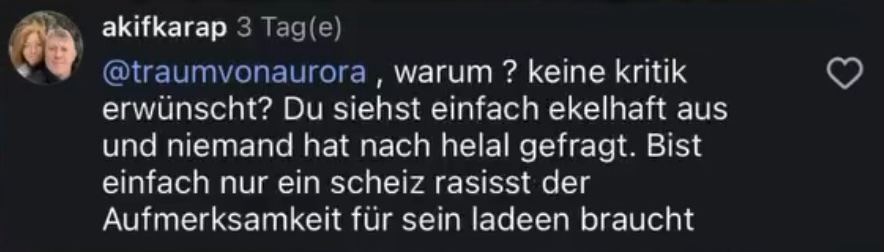
The video quickly went viral across both social media platforms. Members of the Muslim community interpreted Windeck’s statement as a direct attack on Islam itself, Nius reports. The comment section filled with insults and abuse, while coordinated negative reviews targeted his business. Windeck received numerous private hate messages, forcing him to disable comments on the original video.
Second Video Brings Unexpected Support
In response to the controversy, Windeck released a follow-up video clarifying his position. He emphasized that he had never criticized halal meat itself, stating he had merely indicated that his establishment does not sell it. The burger shop owner recalled how he used to grill together with friends of Turkish origin without any problems or tension. That ease and tolerance, he noted, seems to have vanished in recent years.
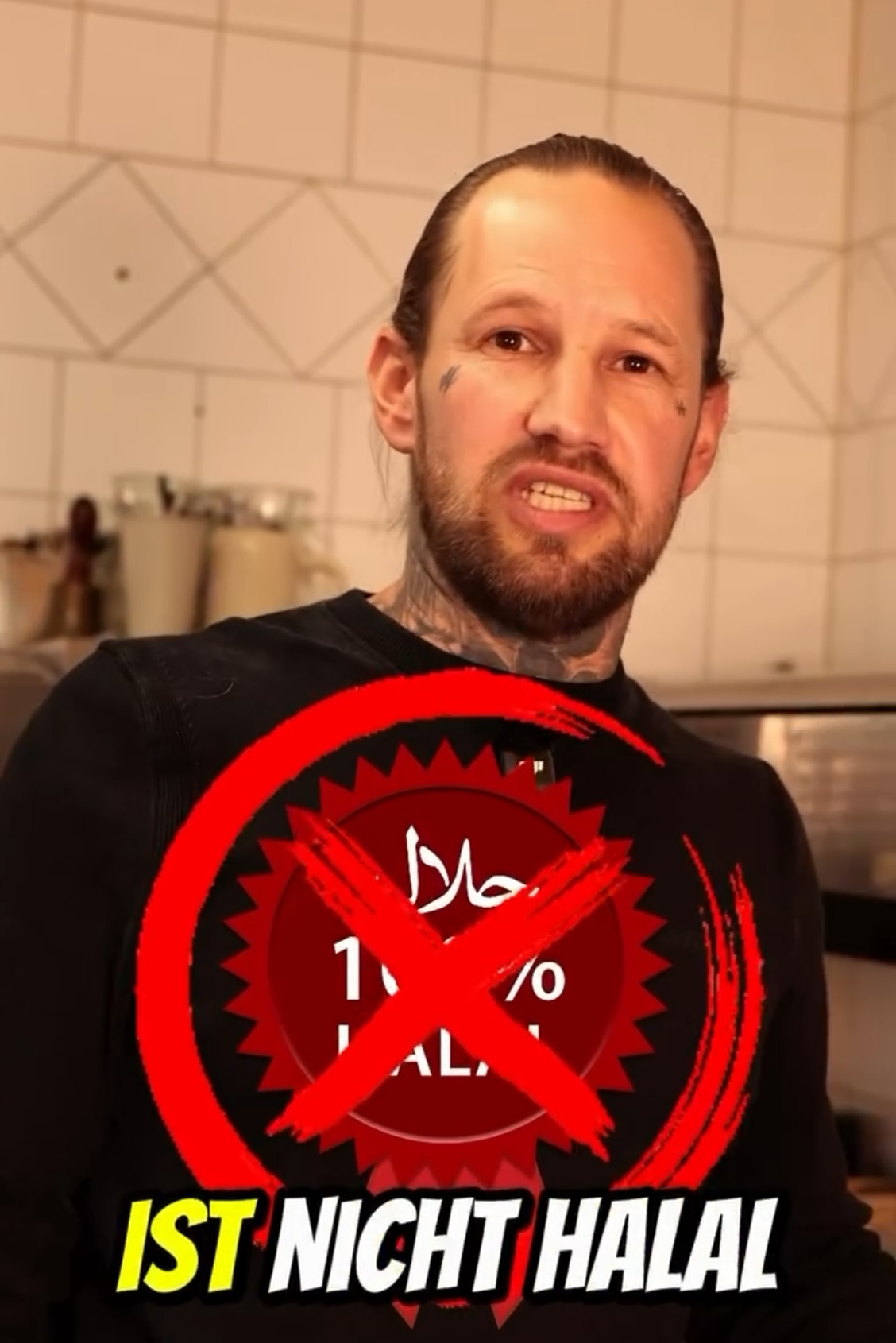
The reaction to his second video proved dramatically different. This time, Windeck was surprised to find overwhelmingly positive and supportive comments. His business has since benefited from the attention, he told Nius.
Quality Over Ideology
Windeck, who previously worked as a butcher, explained to Nius that his decision to avoid halal meat is not based on ideological grounds but on quality considerations. He stated that meat quality is his primary concern. The shop owner explained that halal slaughter methods place animals under significant stress, which negatively impacts the quality of the meat. He also disputed the widespread myth that halal meat is inherently superior to conventionally processed meat.
Call for Mutual Respect
Windeck concluded with a direct appeal for tolerance and acceptance. He questioned where society has arrived when someone faces attacks simply for choosing not to sell halal meat. Everyone should be free to decide what they offer in their own business and leave others alone, he argued.
The incident highlights a broader pattern in which voices from within Muslim communities increasingly demand that restaurants serve exclusively halal meat. The positive response to Windeck’s clarification has given him confidence that many people share his view that business owners should retain the freedom to make their own menu decisions without facing coordinated harassment campaigns.
With information from Nius