Trump Strips Education Dept of Special Ed Oversight Powers
The Trump administration is transferring Education Department functions including special education and civil rights enforcement to other agencies as part of its plan to return authority to states.

According to New York Post, the Department of Justice will now handle enforcement of civil rights in education, while the Department of Health and Human Services will assume responsibility for special education programs. The transfers announced Tuesday mean that the vast majority of Education Department functions have now been reassigned to other federal agencies.
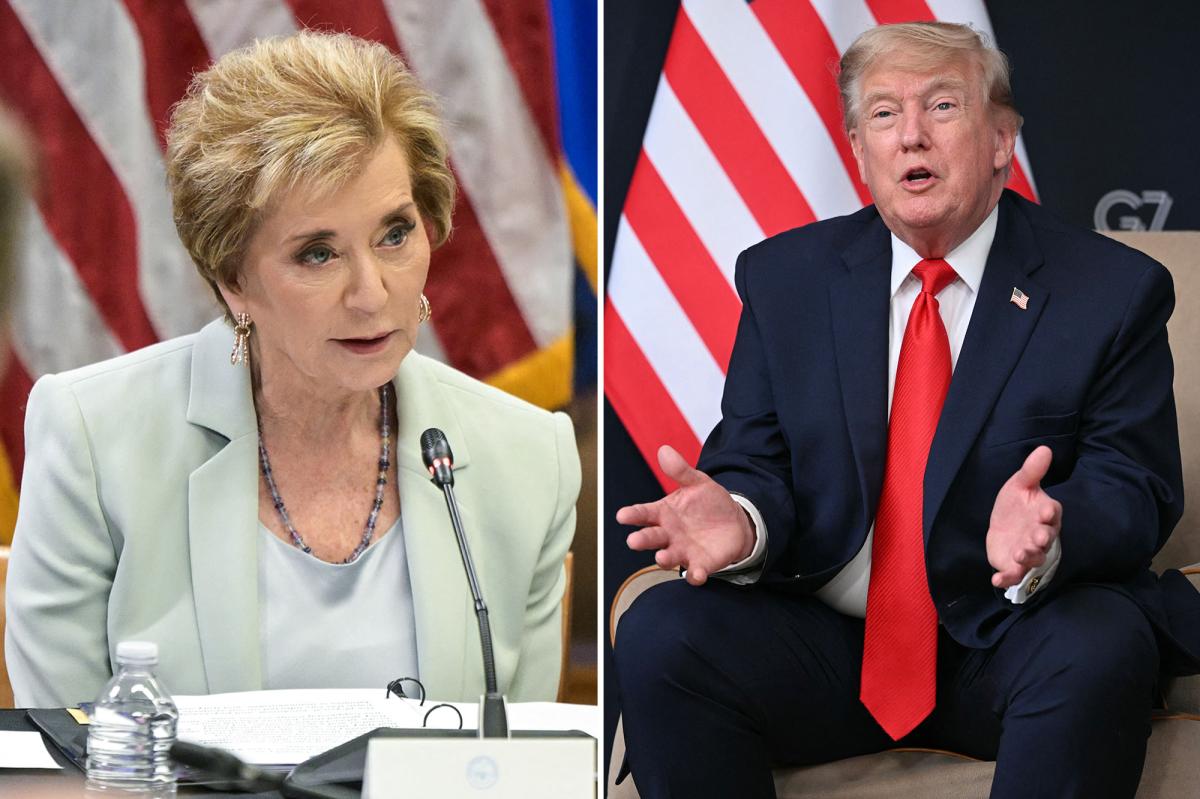
The President, who campaigned on eliminating the federal Education Department, has stated his intention to move education back to the states where it belongs. While congressional approval is required to formally close the department, Linda McMahon, Trump’s education secretary and former CEO of World Wrestling Entertainment, has established agreements with other federal agencies to assume most departmental responsibilities.
McMahon defended the reorganization as aligning federal responsibilities with agencies best equipped to handle them. The Trump Administration has been clear: as we scale back federal micromanagement when it hinders success, we are equally committed to bolstering the efficacy of federal oversight where it is essential, McMahon said in a written statement.
Critical Functions Transferred
The reassignment encompasses two major offices that have drawn significant attention. The Office of Special Education and Rehabilitative Services, which manages billions in federal grants and oversees state compliance with the Individuals with Disabilities Education Act, will move to Health and Human Services. The Office for Civil Rights, already reduced through personnel cuts, investigates discrimination complaints at schools and universities nationwide and will shift to the Justice Department.
Justice Department officials will also handle student privacy protections and provide training assistance to educational institutions.
These latest transfers follow 10 earlier internal agreements that redirected other Education Department programs to various federal agencies.
Opposition From Advocates
Critics argue the restructuring will create confusion for millions of families relying on federal education services. EdTrust, a Washington-based think tank focused on educational equity, warned that underserved communities including students with disabilities, Black and Latino students, multilingual learners, low-income students, and rural students would bear the greatest burden from this decision.
Rachel Gittleman, president of the union representing department employees, said the changes will create chaos for families, students and schools, leaving vulnerable students without necessary services and protection against discrimination.
Disability advocates expressed particular concern about moving special education oversight to Health and Human Services. Jennifer Coco, interim executive director of the Center for Learning Equity, noted that the Individuals with Disabilities Education Act aims to educate students alongside their peers, not provide medical treatment. She argued that health and education systems operate with entirely different terminology, training and disciplines.
Coco said that while McMahon held over six months of listening sessions with families, advocates and educators to address concerns about special education, participants remained opposed to removing oversight from the Education Department. Many families described obstacles in obtaining proper services for their children, but did not support the administration’s proposed solution.
With information from New York Post