Böhmermann Loses Court Case Over Spreading Fake News About Schönbohm
A German appeals court ruled that TV host Jan Böhmermann must stop claiming a former cybersecurity official had Russian intelligence ties, but rejected the official's demand for damages.
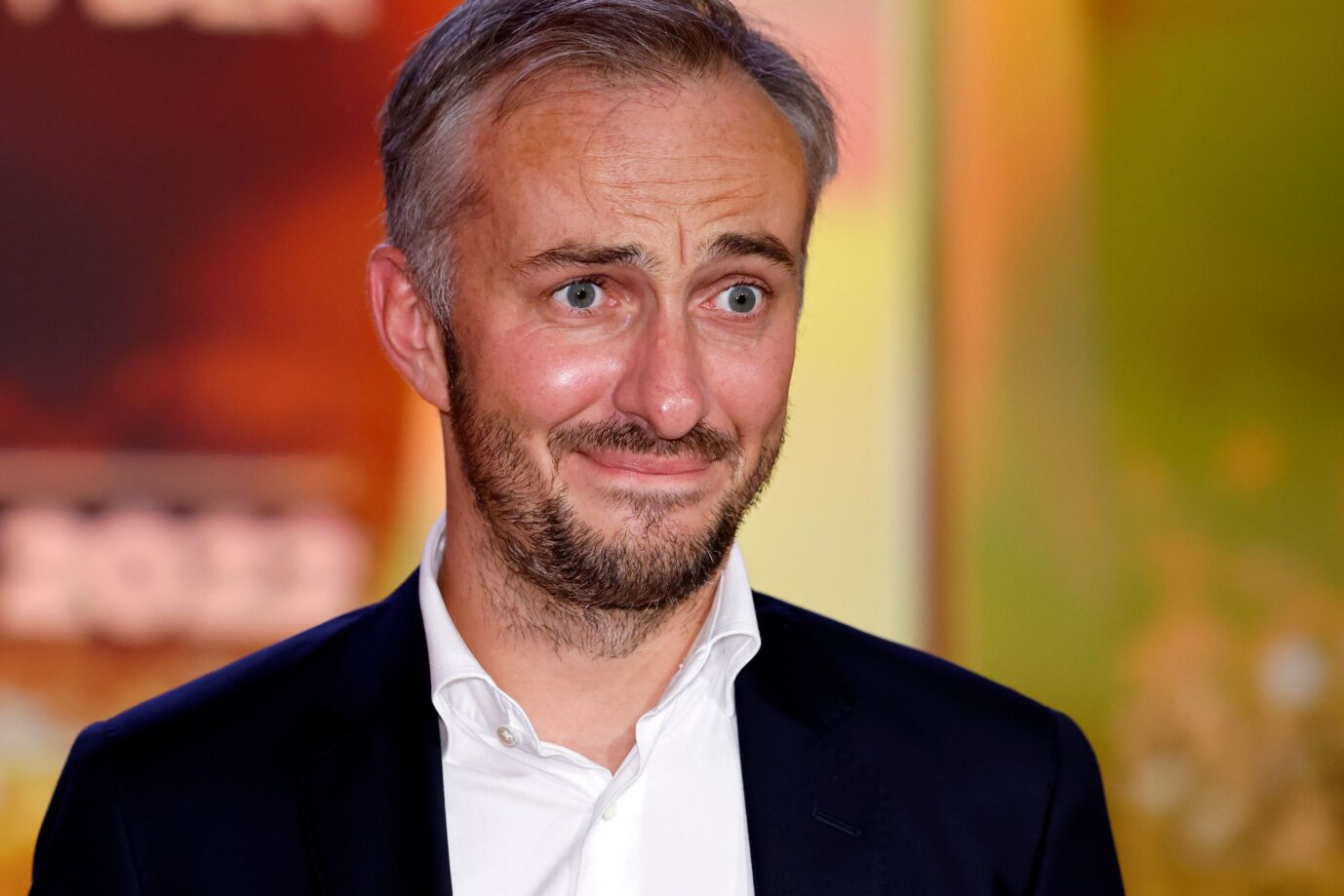

The Higher Regional Court of Munich confirmed on Tuesday that Jan Böhmermann, host of the ZDF program “Magazin Royale,” is prohibited from claiming that Arne Schönbohm, the former president of the Federal Office for Information Security (BSI), knowingly maintained contact with Russian intelligence services, according to Junge Freiheit. The ruling upholds a lower court decision that had previously banned Böhmermann from making such allegations.
Böhmermann’s legal team had argued that statements made during an October 2022 episode constituted satire, which deliberately employs ambiguity and interpretive frameworks. The Munich court rejected this defense, determining that the broadcast unambiguously created the impression that Schönbohm deliberately cultivated contacts with Russian intelligence agencies. The court stated this represented a false assertion that violated his general right of personality and must therefore cease.
No Financial Compensation Despite Victory
Despite winning on the substantive legal question, Schönbohm will not receive the minimum 100,000 euro compensation he sought. His legal representatives had contended that the false allegations broadcast by ZDF severely damaged his reputation and directly resulted in his removal as head of the Federal Office for Information Security.
The court acknowledged that satirical statements must still be measured against factual truth and that no alternative interpretation existed that would not violate Schönbohm’s personality rights. However, judges ruled that had Schönbohm taken legal action more promptly against Böhmermann’s claims, he might have prevented his dismissal from the BSI presidency.
The Munich court further determined that Schönbohm’s own attorney contributed to spreading the accusation of collaboration with Russian intelligence in the public sphere. The lawyer incorrectly stated in an interview that the opposing side had explicitly raised such suspicions. In reality, Böhmermann’s defense team had declared that the broadcast contained neither direct nor indirect claims that Schönbohm knowingly cooperated with Russian intelligence services. This misstatement, the court found, helped perpetuate the false allegations and therefore eliminated grounds for financial compensation.
Former Official Decries Career Destruction
Schönbohm expressed mixed feelings about the verdict in statements to the press. While acknowledging it as a significant success that ZDF can no longer disseminate false claims about him, he lamented the absence of financial redress. The 56-year-old noted that his legal battles with both ZDF and the Federal Interior Ministry, which placed him on administrative leave, have cost him more than 60,000 euros personally.
He argued that those who cause harm should bear the costs necessary to remedy that damage, asserting that any other outcome contradicts basic legal principles. Schönbohm stated that his career as BSI president was destroyed for 25 minutes of entertainment programming, and to date no one has accepted responsibility.
The former cybersecurity chief warned that ZDF and Böhmermann’s broadcast, which aired just months after the start of the Ukraine conflict, endangered national security. He questioned whether foreign partner agencies and security authorities would continue trusting German institutions with sensitive information after reading that the BSI president potentially had Russian connections during an active conflict with Moscow. Such reporting damages trust, which Schönbohm described as the most valuable asset in international security cooperation.
Broadcaster Promises Careful Review
A ZDF spokesperson expressed contrition over the court’s decision, emphasizing that neither the October 2022 broadcast nor subsequent online content was intended to assert that the plaintiff maintained contact with Russian or other foreign intelligence services during his tenure as president of the Cyber Security Council Germany. The broadcaster noted it had already removed the relevant segment following the initial lower court ruling and transparently disclosed this action. ZDF stated it will carefully evaluate the appellate court’s judgment.
With information from Junge Freiheit