Necessary Cookies

Required for the site to function. Cannot be disabled.

Analytics Cookies

Help us understand how visitors interact with our site (Google Analytics via GTM).

Marketing Cookies

Used to track visitors and deliver personalised advertisements.

We use cookies to enhance your browsing experience and analyse site traffic. By clicking Accept All, you consent to our use of cookies. Privacy Policy
NewsFire Global
Home News Europe World Christianity Culture Wars Opinion Video
Information
About Us Authors Advertising Terms & Conditions Privacy Policy Contact
R2B Media
R2B NEWSFIRE.GR PAPAFOTIS.GR THRACTION HELLENIC CONSERVATIVES RIGHT2THEBONE YT
News World

EU Double Standards: Politicians Escape Legal Accountability

A Brussels debate series questions whether EU politicians face different justice standards than citizens, examining parliamentary immunity and corruption scandals like QatarGate.

Newsroom
Newsroom Staff Writer
JUNE 16, 2026 AT 1:45 PM

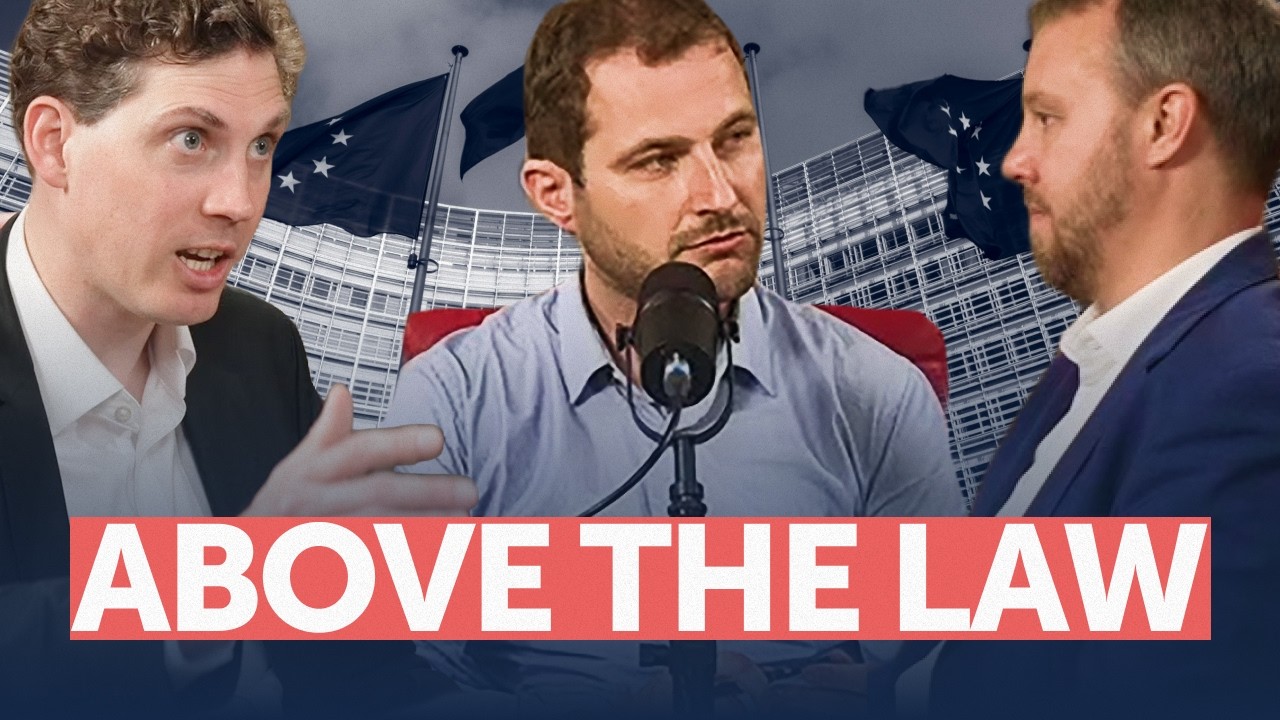
The second episode of a debate series, as reported by Brussels Signal, confronts a fundamental question facing the European Union’s credibility: who gets to decide when politicians should face investigation, and can Brussels institutions be trusted to police their own members?

The debate centers on the European Parliament’s immunity system, which has come under renewed scrutiny following recent votes on whether Members of the European Parliament should have their legal protections lifted for criminal investigations. Critics argue the current arrangement allows politicians to vote on whether their colleagues can be prosecuted—a system that raises obvious concerns about conflicts of interest and accountability.

Major Scandals Fuel Transparency Concerns

The discussion examines two significant corruption scandals that have rocked the European Parliament in recent years: HuaweiGate and QatarGate. These cases have intensified public skepticism about whether Brussels operates with genuine transparency or whether political considerations trump independent law enforcement.

Daniel Freund, a Member of the European Parliament, participates in the debate, which explores whether parliamentary immunity—originally designed as a democratic safeguard—has morphed into a shield against legitimate scrutiny.

Double Standards in Brussels?

The debate tackles several critical questions that European citizens are increasingly asking: Why do some investigations advance while others appear to stall? Has the EU made meaningful progress on transparency, or are reforms largely cosmetic? What role do lobbying and political influence play in determining which cases receive serious attention?

Among the topics examined are whether corruption rules should be standardized across Europe and what mechanisms exist for citizens to hold politicians accountable when traditional oversight appears compromised.

System Under Scrutiny

The immunity system allows Members of the European Parliament certain legal protections, ostensibly to prevent political persecution and ensure they can fulfill their duties without harassment. However, critics contend this protection has been exploited to delay or derail legitimate criminal investigations, creating an appearance that EU politicians enjoy privileges unavailable to ordinary Europeans.

The debate arrives at a time when public trust in European institutions faces significant challenges, with voters across the continent expressing frustration at what they perceive as an insulated political class disconnected from accountability mechanisms that govern everyone else.

With information from Brussels Signal
Share:
Newsroom
Newsroom

NewsFire.GR is a website created with the hope that the media will rediscover their true identity, which is none other than informing the public about the real stakes of our times. Journalism and political analysis must hold power accountable, not serve it.

The second episode of a debate series, as reported by Brussels Signal, confronts a fundamental question facing the European Union’s credibility: who gets to decide when politicians should face investigation, and can Brussels institutions be trusted to police their own members?

The debate centers on the European Parliament’s immunity system, which has come under renewed scrutiny following recent votes on whether Members of the European Parliament should have their legal protections lifted for criminal investigations. Critics argue the current arrangement allows politicians to vote on whether their colleagues can be prosecuted—a system that raises obvious concerns about conflicts of interest and accountability.

Major Scandals Fuel Transparency Concerns

The discussion examines two significant corruption scandals that have rocked the European Parliament in recent years: HuaweiGate and QatarGate. These cases have intensified public skepticism about whether Brussels operates with genuine transparency or whether political considerations trump independent law enforcement.

Daniel Freund, a Member of the European Parliament, participates in the debate, which explores whether parliamentary immunity—originally designed as a democratic safeguard—has morphed into a shield against legitimate scrutiny.

Double Standards in Brussels?

The debate tackles several critical questions that European citizens are increasingly asking: Why do some investigations advance while others appear to stall? Has the EU made meaningful progress on transparency, or are reforms largely cosmetic? What role do lobbying and political influence play in determining which cases receive serious attention?

Among the topics examined are whether corruption rules should be standardized across Europe and what mechanisms exist for citizens to hold politicians accountable when traditional oversight appears compromised.

System Under Scrutiny

The immunity system allows Members of the European Parliament certain legal protections, ostensibly to prevent political persecution and ensure they can fulfill their duties without harassment. However, critics contend this protection has been exploited to delay or derail legitimate criminal investigations, creating an appearance that EU politicians enjoy privileges unavailable to ordinary Europeans.

The debate arrives at a time when public trust in European institutions faces significant challenges, with voters across the continent expressing frustration at what they perceive as an insulated political class disconnected from accountability mechanisms that govern everyone else.

With information from Brussels Signal