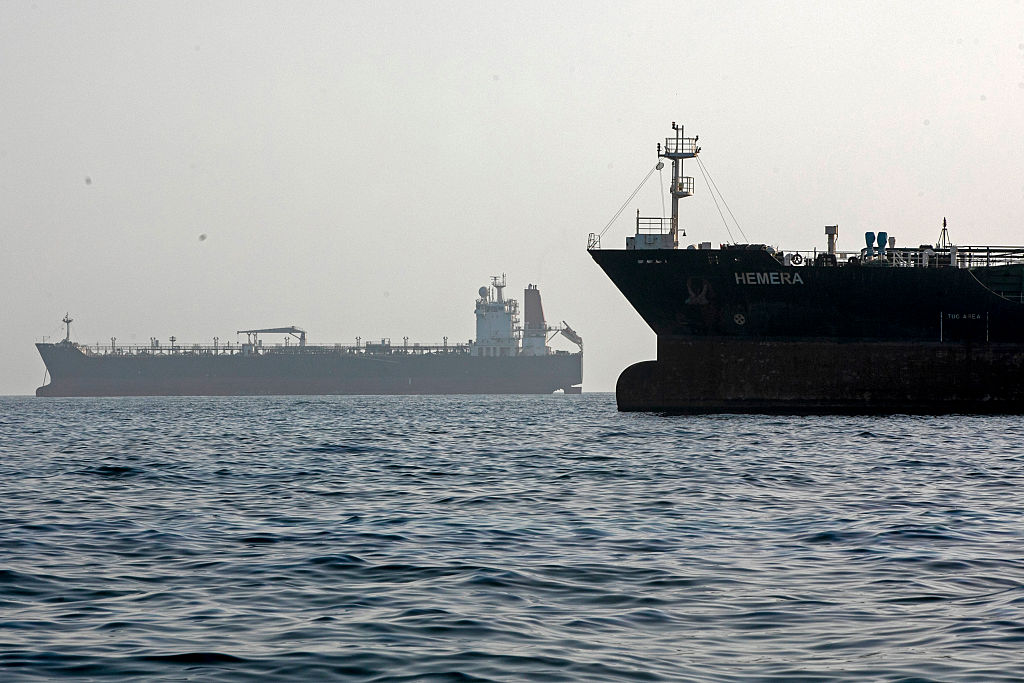
Oil Ships Resume Hormuz Transit as US-Iran Truce Emerges
Oil tankers have begun moving through the Strait of Hormuz after a U.S.-Iran ceasefire agreement ended a months-long blockade of the waterway that handles one-fifth of global oil traffic.

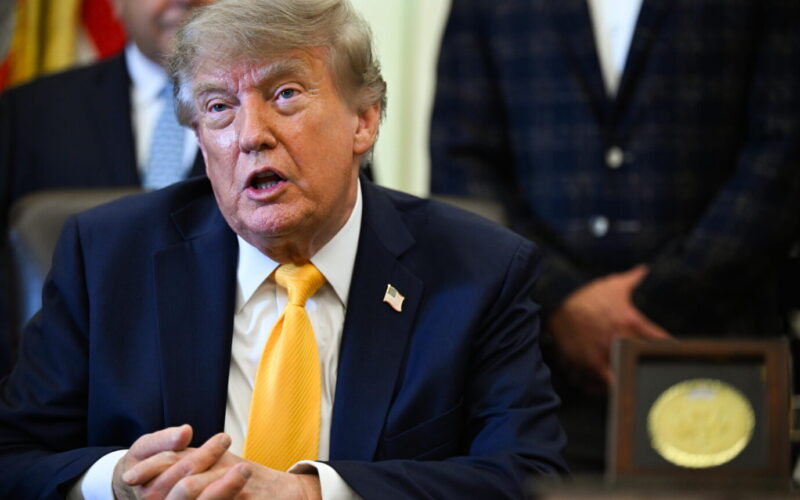
President Donald Trump announced on June 15 that vessels were now traveling through a southern corridor he characterized as completely safe and secure, according to Brussels Signal.
The strategic waterway, which under normal circumstances handles roughly one-fifth of global seaborne oil traffic, has remained effectively closed since late February when American and Israeli forces launched coordinated military strikes against Iran.
Ceasefire Agreement Reached
Washington and Tehran finalized a preliminary accord on June 14 aimed at ending hostilities and reopening the critical shipping lane. A formal signing ceremony is scheduled for June 19 in Switzerland.
Shehbaz Sharif, Pakistan’s Prime Minister who served as mediator in the negotiations, first disclosed the agreement. Iran’s deputy foreign minister subsequently confirmed the arrangement.
Vice-President JD Vance described the deal as potentially transformative for the Middle East, provided Tehran adheres to its terms. He outlined the agreement’s primary objectives as reopening Hormuz and securing permanent assurances that Iran will never develop nuclear weapons.
Vance indicated Washington stands ready to lift sanctions if Iran fulfills its long-term obligations, though he noted that frozen Iranian assets remain inaccessible for now.
Implementation Challenges Persist
Multiple complications threaten the agreement’s execution. Israeli Defense Minister Israel Katz declared his country’s forces would maintain their presence in southern Lebanon despite the ceasefire, a stance Vance acknowledged could undermine the broader arrangement.
Serious operational concerns surround the strait itself. Shipping and maritime security authorities told Reuters that mine clearance operations could require 40 to 50 days before insurers and shipping companies deem the passage safe for commercial traffic.
UK Maritime Trade Operations issued warnings to vessels against attempting the crossing until the formal signing occurs, noting that American naval blockade measures against Iranian ports will remain active until that time.
European Energy Crisis
The monthslong closure has inflicted substantial damage on European economies, driving sharp increases in energy and fertilizer costs while fueling broader inflation. Oil futures dropped approximately 4 percent following news of the agreement.
The European Union had previously considered deploying naval missions to help force the strait back open. Foreign policy chief Kaja Kallas emphasized that member states have vital interests in maintaining access to the waterway.
G7 Summit Focus
The ceasefire agreement has become the dominant topic at the Group of Seven summit that opened June 15 in Évian-les-Bains in eastern France.
Host French President Emmanuel Macron stated leaders would evaluate the accord, maintain support for Lebanon, guarantee lasting reopening of Hormuz, and work toward comprehensive agreements on Iran’s nuclear and ballistic missile programs.
Macron added the summit would also address strategies for diversifying regional energy transit routes and reducing European reliance on Middle Eastern corridors.
With information from Brussels Signal