SPLC Weaponizes ‘Hate Group’ Label Against Conservatives
The Southern Poverty Law Center faces federal charges for allegedly funneling over $4 million to white supremacist groups it claims to oppose.
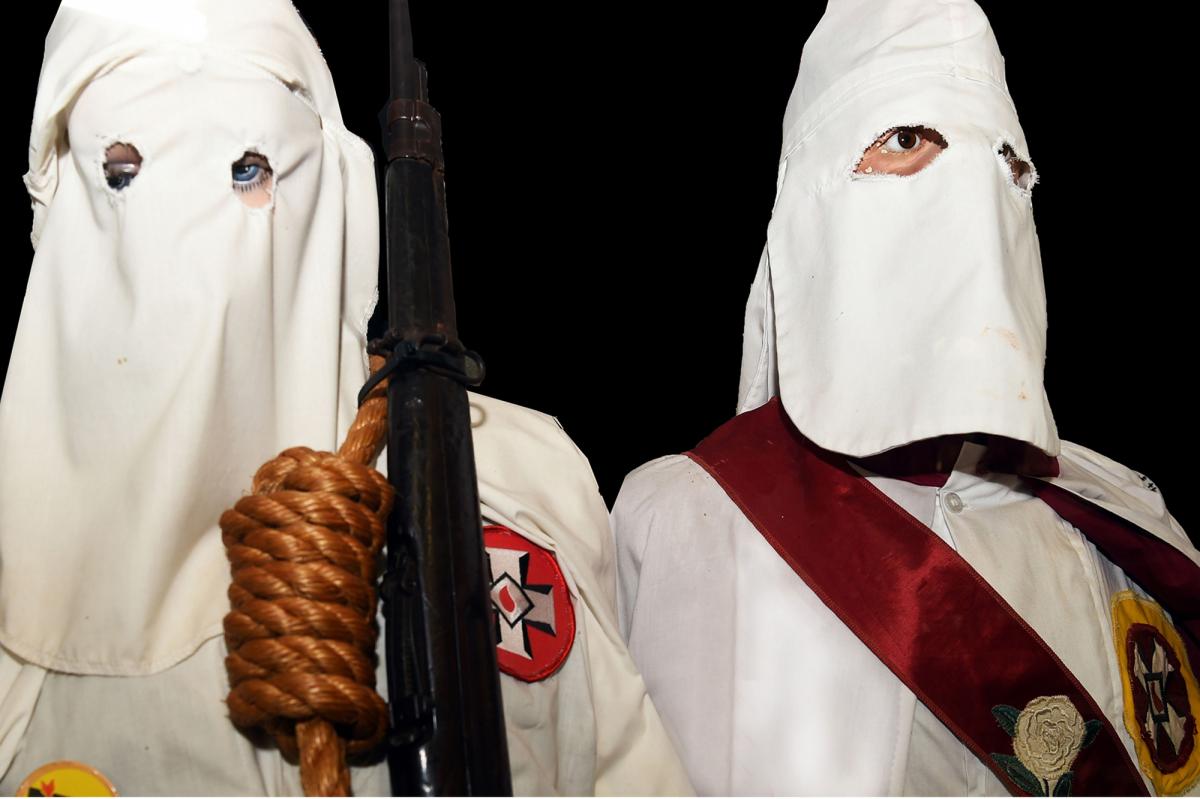

The Southern Poverty Law Center stands accused in a federal indictment of directing millions of dollars to members of the Ku Klux Klan and neo-Nazi organizations, according to New York Post. While the SPLC maintains the payments went to informants monitoring potential violent threats, prosecutors allege the funds actually facilitated white supremacist organizing in some cases.
The allegations paint a disturbing picture of an organization that may operate like an exterminator planting vermin or a firefighter setting blazes. The SPLC solicits donations to combat hatred while allegedly using donor money to sustain the very groups it purports to fight, creating a self-perpetuating cycle of fundraising justification.
Inflating the Threat
The nonprofit’s controversial “hate map” has long drawn criticism for exaggerating the scale of extremism in America. An analysis conducted in 2023 concluded the map inflates hate group numbers by at least 267 percent through tactics like counting each chapter of an organization separately and listing defunct organizations.
More troubling than numerical inflation is the SPLC’s practice of placing mainstream conservative organizations alongside genuine extremist groups. Public interest law firms, policy think tanks, and grassroots parents’ groups now appear on the same map as Klan chapters, characterized as part of the infrastructure upholding white supremacy.
Weaponizing Nonprofit Status
Alliance Defending Freedom, the Center for Immigration Studies, and Moms for Liberty do not advocate racial superiority or plot violence. Their inclusion on the hate map stems from their opposition to leftist positions on transgender ideology, immigration policy, and critical race theory.
The consequences of SPLC designations extend far beyond reputation damage. Financial institutions, technology companies, and other corporations have reportedly used the hate map to deny banking services, restrict social media access, and blacklist conservative organizations. Although some firms have distanced themselves from the SPLC recently, hundreds of companies continue using charity screening software incorporating the hate map.
Legacy media outlets and government agencies under President Joe Biden worked closely with the SPLC, lending credibility to its characterizations. Democrats and allied organizations have leveraged SPLC designations to justify silencing political opponents under the guise of combating extremism.
Inspiring Violence
The hate map has demonstrably inspired at least one terrorist attack. In 2012, an armed assailant targeted the Family Research Council headquarters in Washington for a planned mass shooting, later confessing he used the SPLC map to select his target. A building manager heroically prevented the massacre, but the SPLC maintained the Family Research Council on its hate map even after condemning the attack.
Last year brought another tragedy when Charlie Kirk of Turning Point USA was killed months after the organization appeared on the hate map. While no direct evidence links the SPLC to that shooting, prosecutors indicate the accused murderer aimed to silence what he perceived as Kirk’s hatred.
An SPLC spokesman stated years ago that the organization’s aim was to completely destroy groups it monitors and mortally embarrass them out of existence, as New York Post reports. That mission statement reveals an agenda extending beyond education or advocacy into active suppression of political opposition.
The irony could not be sharper: Democrats portray criticism of the SPLC as an attack on civil society while the organization itself functions as an engine of fear and suspicion, driving Americans apart rather than together. Its practice of equating mainstream conservatism with violent extremism corrodes the trust necessary for a functioning republic.
As federal prosecutors examine whether the SPLC created the very threats it claimed to combat, the broader question remains whether American civil society can survive nonprofit organizations that weaponize charitable status to destroy political opponents while enjoying tax-exempt protection and mainstream legitimacy.
With information from New York Post