Can You Still Say That? Unpolitically Correct Sunday 9-12 on NIUS Radio
NIUS Radio hosts will examine Sunday whether humor has become too risky and if Generation Z's embrace of therapy language reflects genuine sensitivity or social withdrawal.
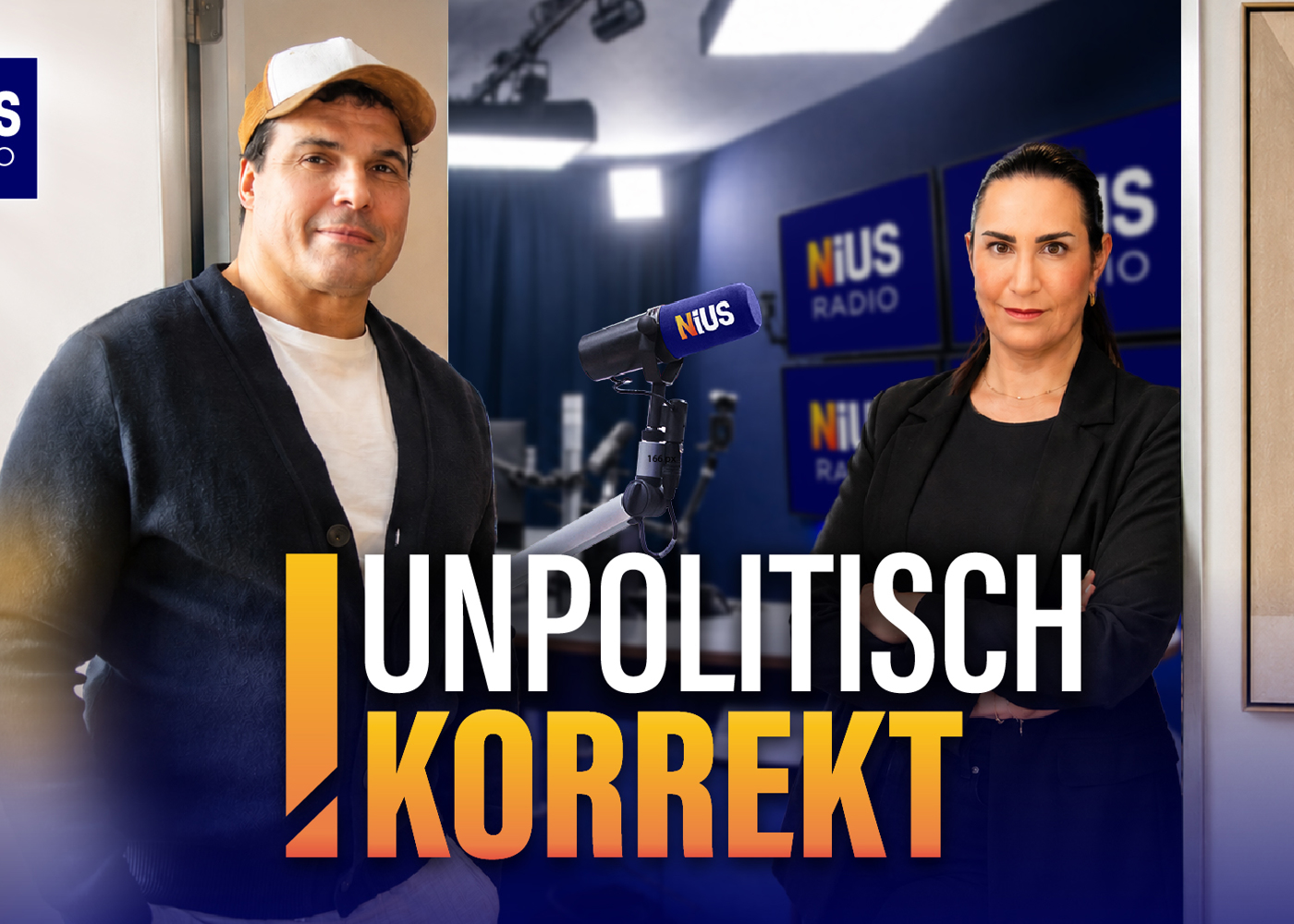

A new radio discussion on NIUS Radio this Sunday will tackle the increasingly fraught question of what can and cannot be said in modern Western society, as hosts examine the retreat of Generation Z from traditional social behavior and the proliferation of therapy language in everyday discourse.
According to Nius, hosts Alex Purrucker and Sara Douedari will address the central question of whether humor has become too risky in today’s climate when their program airs Sunday, June 14, beginning at 9 a.m. The discussion promises to be unfiltered and candid, exploring perspectives many share privately but rarely voice publicly.
The broadcast will examine whether Western societies have genuinely become more sensitive or whether the rules and social expectations have simply shifted. A key question the hosts will explore is who now decides what qualifies as acceptable humor and what crosses the line.
Generation Z Rejects Traditional Social Patterns
The program will also investigate the behavioral shifts among Generation Z, a cohort that has notably reduced alcohol consumption and dating while prioritizing self-care. Multiple studies demonstrate that young people today have fundamentally different priorities compared to previous generations, the outlet reports.
Rather than late-night parties, health consciousness, career advancement, and self-optimization now dominate the lives of younger adults. The hosts will question whether this lifestyle actually produces greater happiness and success or represents a withdrawal from traditional social engagement.
When Everything Becomes Pathologized
Another focal point will be the widespread adoption of what the program calls therapy language. Terms such as trigger, red flag, boundaries, toxic, and narcissist have become commonplace in discussions about relationships, friendships, and conflicts to an unprecedented degree.
The discussion will probe whether this psychological vocabulary genuinely helps people understand one another better or whether it has led to the over-labeling of normal human behavior with exaggerated clinical diagnoses. The trend raises concerns about whether ordinary disagreements and personality differences are being pathologized through the casual use of clinical terminology.
The hosts aim to address thoughts that many people hold but few are willing to express openly in the current climate of social media outrage and public shaming. The broadcast will air Sunday from 9 a.m. to noon on NIUS Radio.
With information from Nius